ADP: Private Employment Increased 41,000 in December
Private-sector hiring in the United States slowed sharply at the end of 2025, with employers adding just 41,000 jobs in December, according to the ADP National Employment Report. The monthly tally from the payroll-processor giant reflects a sharp deceleration from November’s revised gain of 120,000 jobs and marks the weakest single-month increase since mid-2023. Average annual pay for private workers rose 4.4 percent year-over-year, the slowest pace since early 2022.
ADP’s report, produced in collaboration with the Stanford Digital Economy Lab, tracks employment trends among roughly 24 million U.S. workers on its payroll system. December’s modest gain follows a year in which hiring fluctuated between modest gains and outright declines. The labor market has cooled from the post-pandemic rebound years, with employers showing greater caution amid higher borrowing costs and softer consumer demand.
The ADP figures arrive two days before the U.S. Bureau of Labor Statistics releases its more comprehensive nonfarm payrolls report for December, which will provide a broader snapshot of hiring across all sectors—including government jobs. Economists expect Friday’s government data to show a gain of around 150,000 jobs, down from November’s 199,000 increase, according to a Wall Street Journal survey.
Industry-level breakdowns from ADP show the service sector added 42,000 positions in December, while goods-producing industries shed 1,000 jobs. Leisure and hospitality led service-sector gains with 34,000 new hires, continuing a trend of recovery in high-contact industries. Small businesses—defined by ADP as those with fewer than 50 employees—added 19,000 jobs in December, while midsize firms (50–499 employees) added 22,000. Large employers (500+ employees) cut 1,000 positions.
The pay increase trend also varied by company size. Annual pay for workers at small businesses rose 5.1 percent, the largest gain among the three size categories, while midsize firms saw a 4.6 percent increase. Workers at large firms experienced the slowest wage growth at 3.9 percent. Despite the moderation in pay gains, wage inflation remains above the Federal Reserve’s longer-run target, complicating monetary policy decisions at a time when inflation has eased from 2022 peaks.
ADP chief economist Nela Richardson emphasized that while hiring remains positive, the pace is consistent with a maturing labor market. “The job market is stabilizing, but not weakening materially,” she said in a statement accompanying the report. The data suggests employers are adjusting to slower demand growth and higher labor costs without widespread layoffs.
Investors and policymakers will closely watch Friday’s government jobs report to assess whether the softening trend continues. The Federal Reserve has signaled it may begin reducing interest rates later in 2026 if labor conditions continue to cool, but officials have cautioned that any cuts will depend on sustained progress toward their dual mandate of maximum employment and price stability.
#ADPReport #PrivateEmployment #DecemberJobs #LaborMarket #WageGrowth #USJobs #StanfordDigitalEconomyLab #NelaRichardson
Comments (0)
No comments yet — be the first to weigh in.

Free School Uniform Swap Shop Saves Welsh Families £50m Annually
A Cardiff father's school uniform swap shop initiative has grown to 200 schools, helping Welsh families save £50m yearly while promoting sustainability and reducing clothing waste.

Poland, US Explore Permanent Military Bases: Defense Talks Underway
Poland and the US are discussing permanent American military bases in Poland, focusing on defense capabilities rather than troop numbers. Nuclear warheads are not part of the plans.

Taxpayers Lost $65B to Obamacare Fraud in 2024; Feds Crack Down
A Paragon Health Institute report reveals $65 billion in taxpayer losses due to Obamacare and Medicaid fraud in 2024, with improper enrollments rising in 2025.
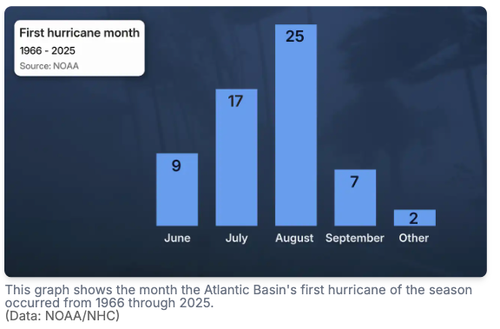
El Niño Delaying 2026 Atlantic Hurricane Season as Dolly Nears Florida
El Niño's wind shear suppresses 2026 Atlantic hurricane activity, delaying first hurricane as Tropical Storm Dolly's remnants approach Florida and the Caribbean.

Mumbai’s Vile Parle Cypher is giving unheard rappers a voice

Enrich and Ultimo impress

Karnataka CM Signals Review of 5% Park Land Amendment Bill in Assembly

