AI Is Learning to Write Genetic Code
Researchers have demonstrated that artificial intelligence can design functional viral genomes, a development that carries both scientific promise and potential security concerns.
In a study published this week, two AI models were tasked with generating complete genomes for a viable bacteriophage—a virus capable of infecting and replicating within bacteria, ultimately destroying them. The researchers used ΦX174, a well-studied bacteriophage known for its ability to infect *E. coli* bacteria, as a reference point. The AI systems produced approximately 700,000 potential genome designs, from which the research team selected 285 candidates they deemed most promising.
The next phase involved synthesizing new DNA molecules based on these AI-generated designs and inserting them into *E. coli* bacteria. The goal was to determine whether functional bacteriophages would emerge. Within a short period, 16 of the Petri dishes containing the bacteria exhibited clear signs of viral activity—visible plaques where the viruses had begun replicating and attacking the bacterial cells, confirming their viability.
Notably, some of the AI-designed bacteriophages demonstrated greater effectiveness in infecting *E. coli* than the original ΦX174 strain.
This breakthrough highlights the potential of AI in synthetic biology, offering new avenues for combating bacterial infections, including antibiotic-resistant strains. However, experts warn that such technology could also be misused for harmful purposes, such as designing bioweapons or engineered pathogens.
The study was conducted by researchers from leading institutions, though specific details about their affiliations were not disclosed in the available report. The findings underscore the dual-use nature of advanced biotechnology, where innovations intended for medical and scientific progress may also pose risks if exploited maliciously.
As AI continues to evolve, its role in genetic engineering raises ethical and security questions that will likely require regulatory attention. The ability to rapidly generate and test viral genomes could accelerate drug development and vaccine research, but it also demands safeguards to prevent misuse.
Further research is needed to assess the broader implications of AI-designed pathogens and to establish guidelines for responsible innovation in synthetic biology.
Comments (0)
No comments yet — be the first to weigh in.

Energy biz SSE smacked around in court by a guy and AI
An Oxford doctoral student has defeated British energy provider SSE Energy Supply in court after utilizing artificial intelligence models to build his legal def...
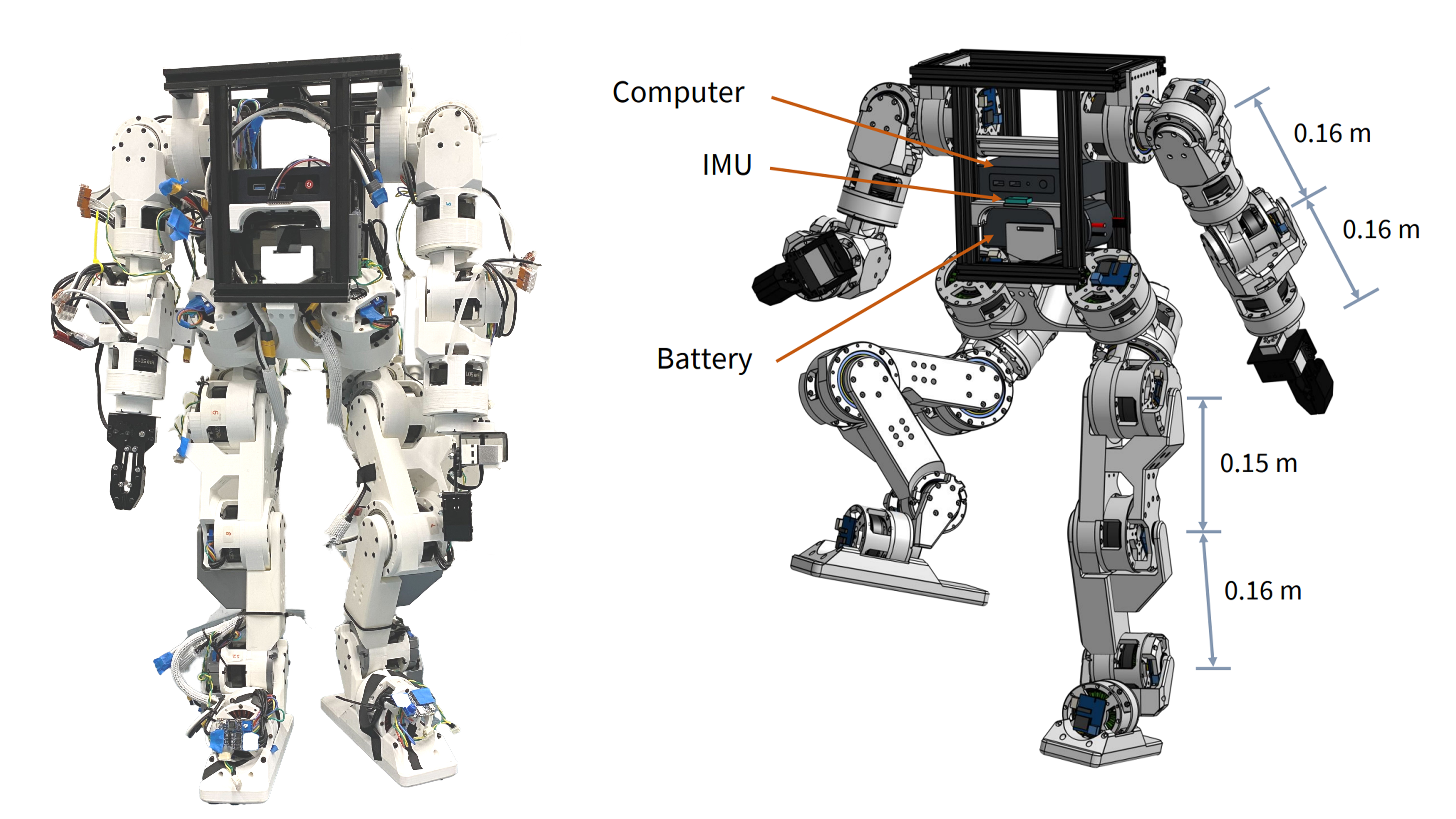
Berkeley Humanoid Lite: Affordable Open-Source Robot with DIY Actuators
Explore the Berkeley Humanoid Lite, a budget-friendly open-source robot featuring 3D-printed actuators under $5,000 USD. Learn how its modular design benefits DIY projects.

Woodstove Safety Monitor: Oru System Alerts Users to Temperature Fluctuations
Discover how the Oru woodstove assistant helps prevent dangerous chimney fires by monitoring exhaust gas temperatures and alerting users to temperature changes.

NES CD Add-On Revives 1980s Gaming with Optical Storage
Explore how a DIY project integrates a CD drive with the NES using an RP2350B microcontroller and Everdrive N8 Pro for expanded storage and audio playback.

Mumbai’s Vile Parle Cypher is giving unheard rappers a voice

Enrich and Ultimo impress

Karnataka CM Signals Review of 5% Park Land Amendment Bill in Assembly

