AI Translation Errors Highlight Need for Human Oversight in Tech
As artificial intelligence takes over translation tasks, human editors like Laura correct cultural and racial missteps that AI overlooks. A new Blade Runner adaptation reignites debates about humanity and technology.
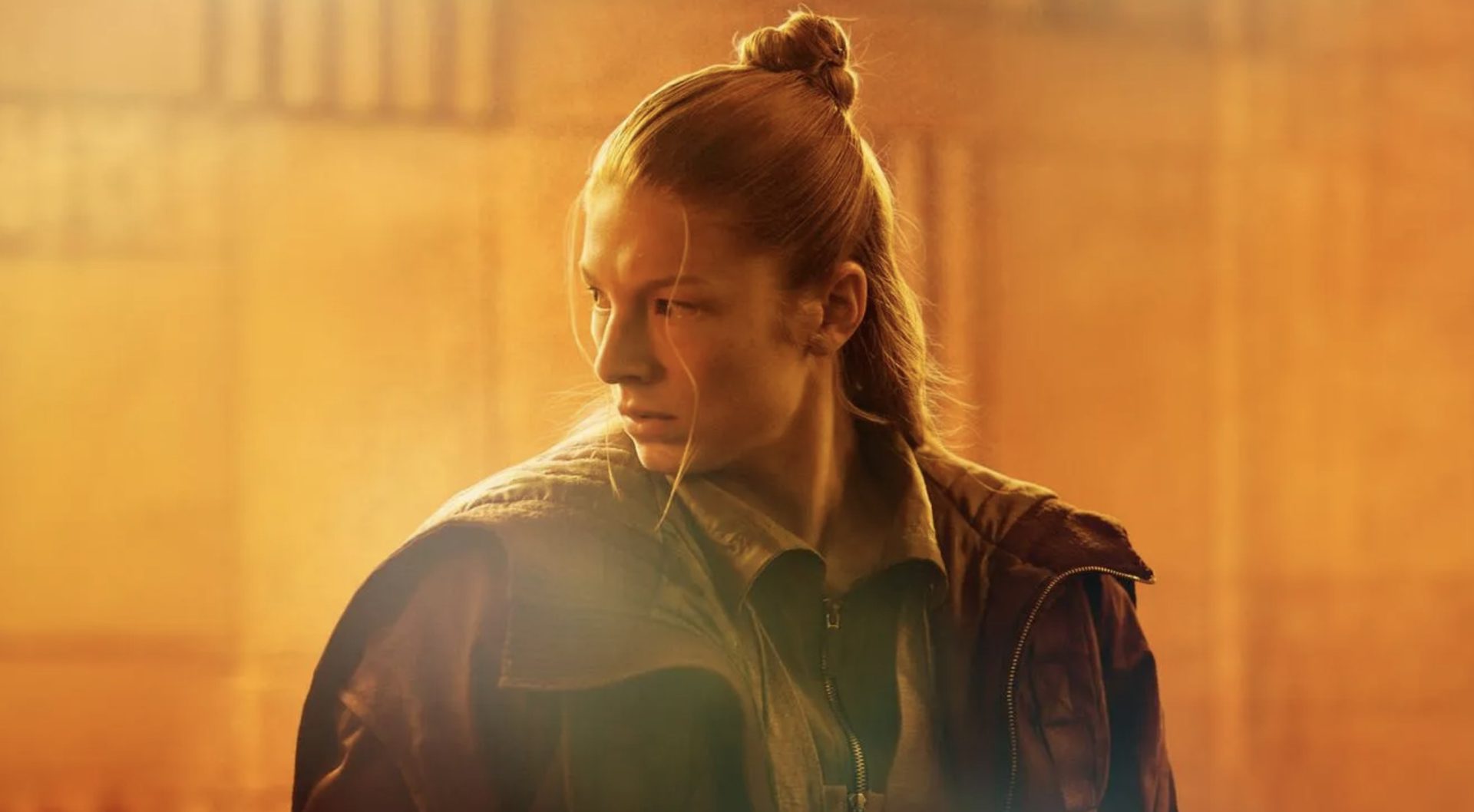
A human editor is still correcting an AI's unintended social blunders, highlighting the ongoing need for human oversight in automated systems.
Last week, while on vacation in Lisbon, I met an American couple, Frank and Laura, at a hotel bar. When asked about their professions, Laura revealed she edits product descriptions for an online retailer that supports small European craftsmen. While initially done manually, translations are now outsourced to artificial intelligence. However, Laura's role remains crucial as the AI struggles with sensitive cultural nuances and outdated terminology.
For instance, a literal translation of a product description for a wooden figurine depicting a traditional Central European wife threatening her husband with a rolling pin could be misinterpreted as something kinky. The AI also frequently uses outdated racial terms like "oriental," requiring Laura's human judgment to correct these errors.
This scenario illustrates the current stage of economic and technological development, where a human worker's role is to correct a robot's unintended social blunders. It's a job that feels straight out of a Philip K. Dick story, given the author's exploration of halfway subjects—entities that mimic human-ness but aren't quite human.
Dick's work challenges the notion that society can restrain technological advancement. Instead, he suggests that we must find a balance between progress and preserving what is distinctly human. His stories often depict advanced technologies coexisting with societal decay, serving as a warning about the potential costs of prioritizing one path of development.
Born in Chicago in 1928, Dick grew up in California, a state that shaped his worldview. Despite his dream of writing serious literary fiction, he found success in the realm of science fiction, which allowed him to explore the aspirations and miseries of his fellow Californians in a fantastical context.
Dick's protagonists were often ordinary people navigating extraordinary circumstances, raising questions about the human condition in a world increasingly shaped by technology. His work serves as a reminder that, even as we embrace technological progress, we must not lose sight of our humanity.
In our current technological landscape, the need for human oversight in automated systems is evident. As Laura's job demonstrates, humans are still required to ensure that AI systems operate in a socially acceptable manner. This role may not be permanent, but for now, it highlights the ongoing importance of human judgment in an increasingly automated world.
Comments (0)
No comments yet — be the first to weigh in.

Middlesbrough's Crime Crisis: Decades of Failed Policies Unleash Chaos
Former Middlesbrough mayor Andy Preston blames decades of lenient crime policies for the town's recent surge in gang violence and lawlessness.

Google Maps Renames Lake Ontario to 'Lake America' Following Trump Order
Google Maps now displays 'Lake America' in the US, replacing 'Lake Ontario' after Trump's executive order amid trade tensions with Canada. Canadians still see the original name.

Pentagon Warns Pentagon Chiefs: Iran War Unsustainable, Threatens U.S. Readiness
Classified assessment reveals Pentagon chiefs warn Defense Secretary Pete Hegseth that the Iran war is unsustainable and drains U.S. military resources and readiness.
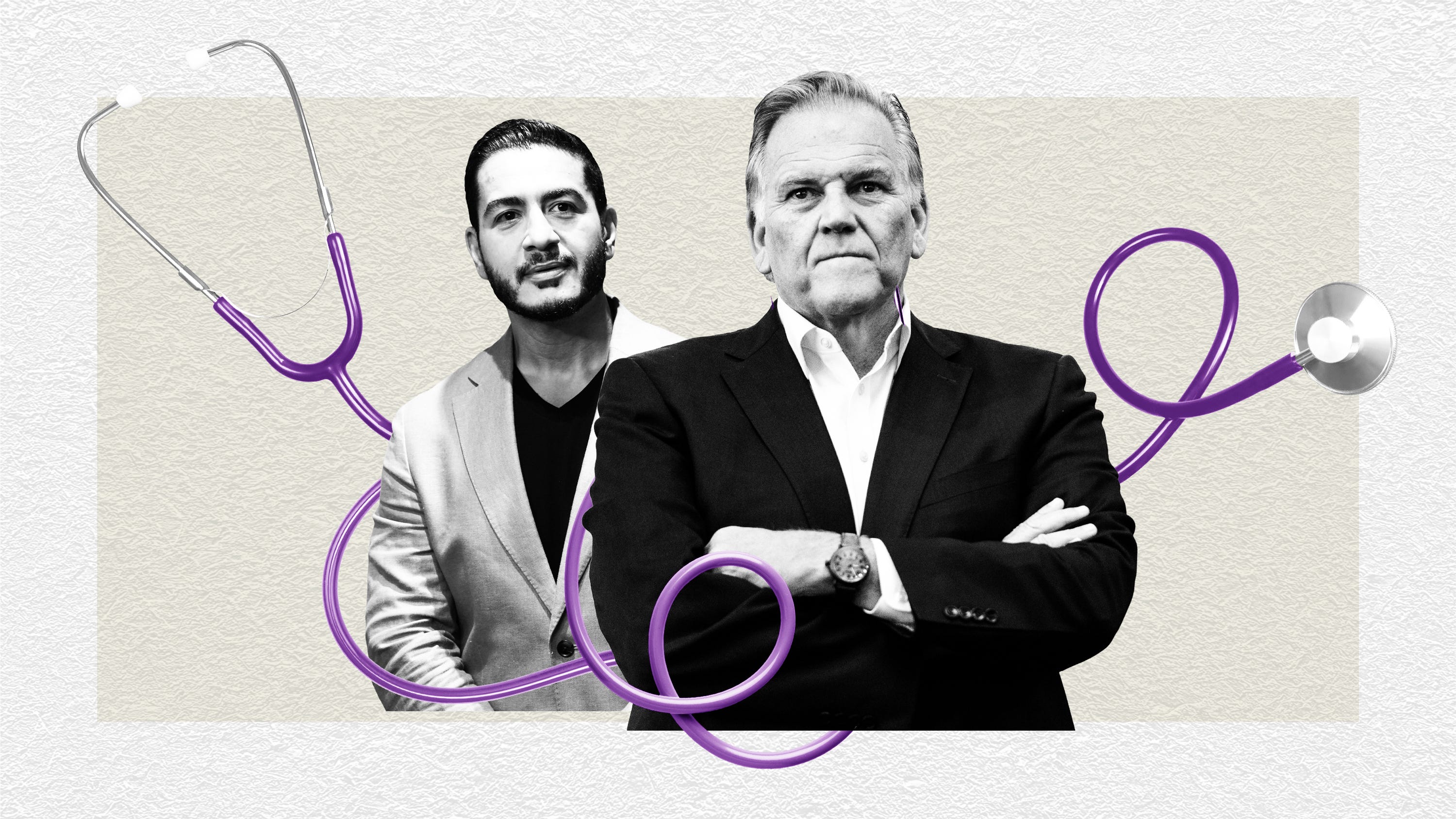
Mike Rogers Proposes $50 Copays for Routine Health Screenings, Critics Warn of Risks
Former Congressman Mike Rogers suggests $50 copays for routine screenings, sparking debate over healthcare costs and access. Critics highlight potential risks.

Mumbai’s Vile Parle Cypher is giving unheard rappers a voice

Enrich and Ultimo impress

Karnataka CM Signals Review of 5% Park Land Amendment Bill in Assembly

