An Inflation Lesson In One Graph

Inflation Pressures Remain Elevated as Producer and Consumer Prices Rise
Consumer prices rose 3.3 percent in July from a year earlier, the latest government data confirmed Thursday, while producer prices climbed even more sharply, signaling persistent inflation pressures in the U.S. economy.
The Bureau of Labor Statistics reported that the Consumer Price Index (CPI), a widely watched measure of inflation, increased 3.3 percent year over year. The increase matched expectations and reflected broad-based price pressures across goods and services. On a month-to-month basis, CPI rose 0.2 percent in July, following a 0.1 percent gain in June.
Earlier in the day, the Labor Department reported that the Producer Price Index (PPI) for final demand increased 4.7 percent over the same 12-month period. This marked a slight acceleration from June’s 4.4 percent rise and exceeded market forecasts. The core PPI, which excludes volatile food and energy prices, also rose 4.7 percent annually.
Upstream price indicators continued to signal future inflation risks. The PPI for all commodities, which tracks raw material costs, climbed 3.1 percent year over year. Similarly, the index for goods in process, a measure of intermediate goods, rose 4.9 percent, indicating that cost pressures are being passed through the production pipeline.
Economists noted that inflation remains stubbornly above the Federal Reserve’s long-term target of 2 percent, despite aggressive interest rate hikes over the past two years. The central bank has raised its benchmark federal funds rate from near zero in March 2022 to a range of 5.25 to 5.5 percent in an effort to cool price increases.
The persistence of elevated inflation has raised questions about the timing and pace of potential future rate cuts. While some policymakers have signaled caution, others have emphasized the need to maintain restrictive monetary policy until inflation is sustainably brought under control.
The July CPI report showed that shelter costs—including rents and owners’ equivalent rent—continued to be a primary driver of inflation, rising 5.1 percent year over year. Food prices increased 3.1 percent, while energy costs fell 1.1 percent, partially offsetting broader inflationary pressures.
Prices for used cars and trucks rose 4.4 percent over the year, reversing earlier declines, while new vehicle prices increased 1.5 percent. Apparel prices also rose 3.2 percent, reversing a recent trend of deflation in clothing costs.
The Federal Reserve’s preferred inflation gauge, the Personal Consumption Expenditures (PCE) index, has also shown persistent price pressures. The core PCE index, which excludes food and energy, rose 2.6 percent in June from a year earlier, unchanged from May and still above the central bank’s target.
Analysts suggest that while inflation has moderated from its 2022 peak of over 9 percent, progress has slowed in recent months, complicating the Fed’s path toward achieving a soft landing—lowering inflation without triggering a recession.
The persistence of producer price increases suggests that consumer inflation may remain elevated in the near term, as higher costs for producers are eventually passed on to consumers. The Fed will likely maintain its cautious stance as it assesses whether inflation is truly on a sustainable downward trajectory.
Comments (0)
No comments yet — be the first to weigh in.

Free School Uniform Swap Shop Saves Welsh Families £50m Annually
A Cardiff father's school uniform swap shop initiative has grown to 200 schools, helping Welsh families save £50m yearly while promoting sustainability and reducing clothing waste.

Poland, US Explore Permanent Military Bases: Defense Talks Underway
Poland and the US are discussing permanent American military bases in Poland, focusing on defense capabilities rather than troop numbers. Nuclear warheads are not part of the plans.

Taxpayers Lost $65B to Obamacare Fraud in 2024; Feds Crack Down
A Paragon Health Institute report reveals $65 billion in taxpayer losses due to Obamacare and Medicaid fraud in 2024, with improper enrollments rising in 2025.
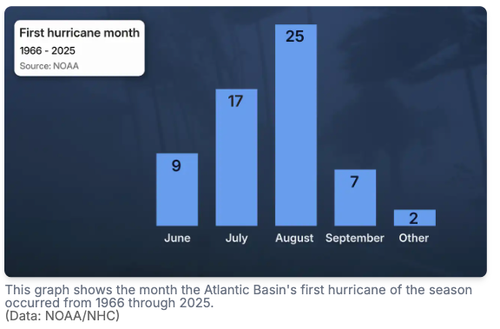
El Niño Delaying 2026 Atlantic Hurricane Season as Dolly Nears Florida
El Niño's wind shear suppresses 2026 Atlantic hurricane activity, delaying first hurricane as Tropical Storm Dolly's remnants approach Florida and the Caribbean.

Mumbai’s Vile Parle Cypher is giving unheard rappers a voice

Enrich and Ultimo impress

Karnataka CM Signals Review of 5% Park Land Amendment Bill in Assembly

