Apple Breaks Rare August Launch Pattern Ahead of Major September Event
Apple's unusual late-August Mac releases signal a packed 'Surprise and shine' event on Sept 9, with up to nine new products expected, including iPhones and AirPods.

Apple surprised industry observers by announcing new Mac mini and Mac Studio models in late August, a rare departure from the company’s usual product‑launch cadence that typically reserves hardware releases for the September “Surprise and Shine” event. The two new Macs were unveiled on August 23, two weeks before the September 9 keynote, but will not ship to consumers until September 22.
The move is significant because Apple has only ever launched a new hardware product in August once in the past decade, and that product—the iMac—was revealed early in the month on August 4, 2020. The 2020 launch was an exception that coincided with a pandemic‑induced shift of Apple’s annual iPhone event from September to October. In normal years, any hardware slated for a September event is held until then, making an August announcement almost unheard of.
Industry analysts say the early August debut is most likely a logistical decision. The September 9 event is expected to be one of Apple’s most crowded in recent memory, with rumors of five to nine new products slated for reveal. In addition to the newly announced Macs, the event is likely to feature updates to the MacBook Air, MacBook Pro, and iPad, a new HomePod 3, a rumored home‑security camera, and the highly anticipated AirPods 5. Apple’s senior software engineer, Mark Gurman, has repeatedly suggested that the HomePod 3 and AirPods 5 will debut in September, and that the company is also overhauling its home‑automation lineup.
Because the September event is already packed, Apple likely accelerated the Mac mini and Mac Studio announcements to give the company more time to prepare for the larger showcase. The new Macs use Apple’s next‑generation M6 and M5 Ultra chips, respectively, and are positioned as powerful yet compact solutions for professional users. The M6 chip is expected to deliver significant performance improvements over the current M5, while the M5 Ultra is touted as a high‑end, all‑in‑one workstation.
Despite the early announcement, Apple has made it clear that the new Macs will not be available for purchase until September 22, giving the company a full month to build inventory, finalize shipping logistics, and ensure a smooth rollout. The decision to hold the launch date back to September also aligns with Apple’s traditional practice of keeping hardware releases in sync with its major public events, thereby maximizing media coverage and consumer interest.
The broader context of Apple’s product‑release calendar underscores the importance of the September event. In a typical year, Apple introduces new hardware in March, holds the Worldwide Developers Conference (WWDC) in June for software updates, and then launches the bulk of its consumer products in September. October often sees additional releases, such as updates to the iPhone or iPad lineup, but the September event remains the centerpiece of the company’s annual schedule.
Given the volume of rumored products, the September 9 keynote could become one of the most comprehensive Apple events in recent history. The early August launch of the Mac mini and Mac Studio may be a strategic move to keep the event’s agenda balanced and to ensure that each new product receives the attention it deserves during the live broadcast.
Industry observers and Apple fans alike are now speculating on what other hardware and software announcements could accompany the September event. The company’s track record of delivering unexpected surprises, combined with the sheer number of rumored releases, suggests that consumers can expect a packed schedule and potentially significant upgrades across Apple’s product ecosystem.
Comments (0)
No comments yet — be the first to weigh in.

Energy biz SSE smacked around in court by a guy and AI
An Oxford doctoral student has defeated British energy provider SSE Energy Supply in court after utilizing artificial intelligence models to build his legal def...
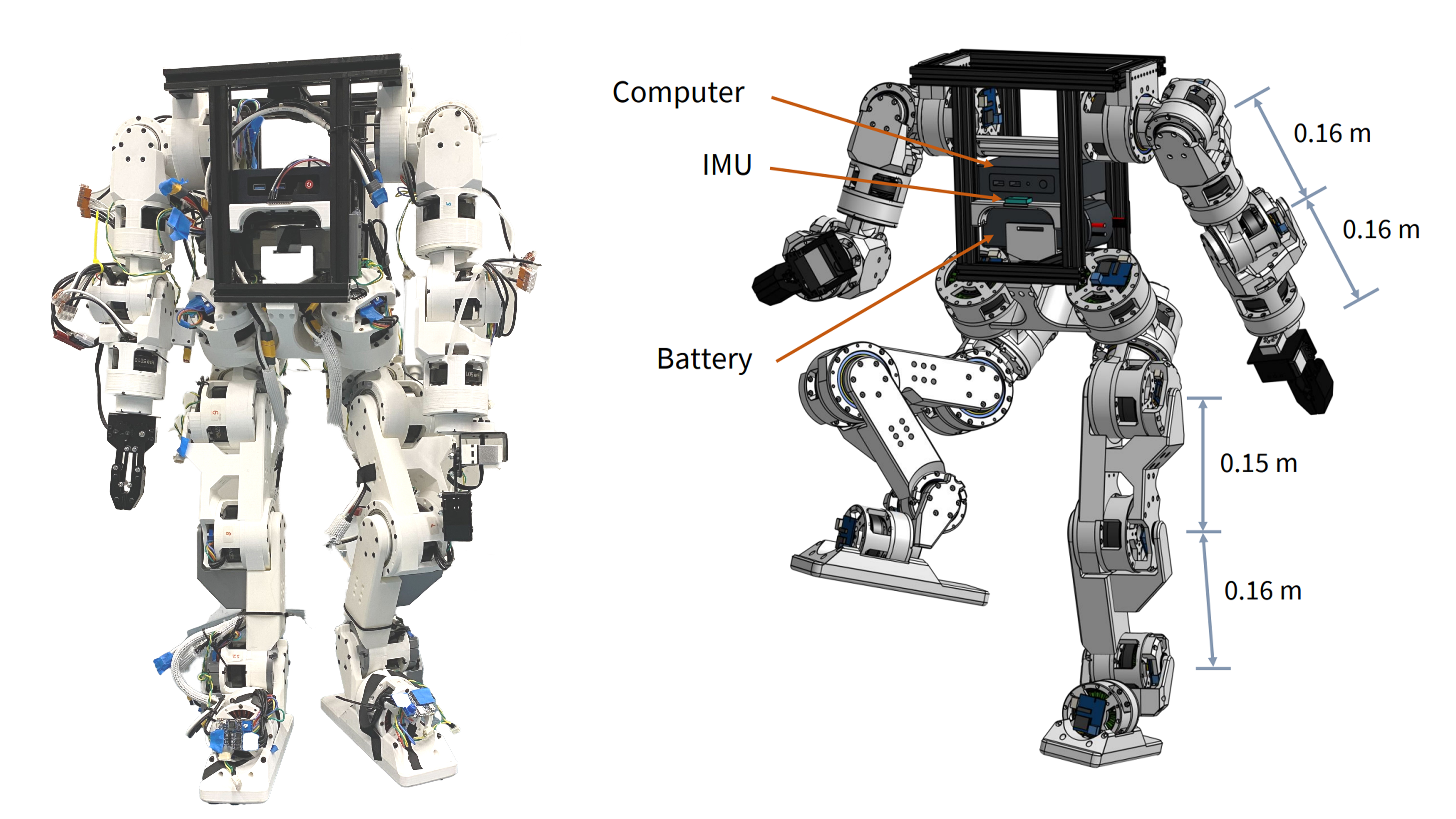
Berkeley Humanoid Lite: Affordable Open-Source Robot with DIY Actuators
Explore the Berkeley Humanoid Lite, a budget-friendly open-source robot featuring 3D-printed actuators under $5,000 USD. Learn how its modular design benefits DIY projects.

Woodstove Safety Monitor: Oru System Alerts Users to Temperature Fluctuations
Discover how the Oru woodstove assistant helps prevent dangerous chimney fires by monitoring exhaust gas temperatures and alerting users to temperature changes.
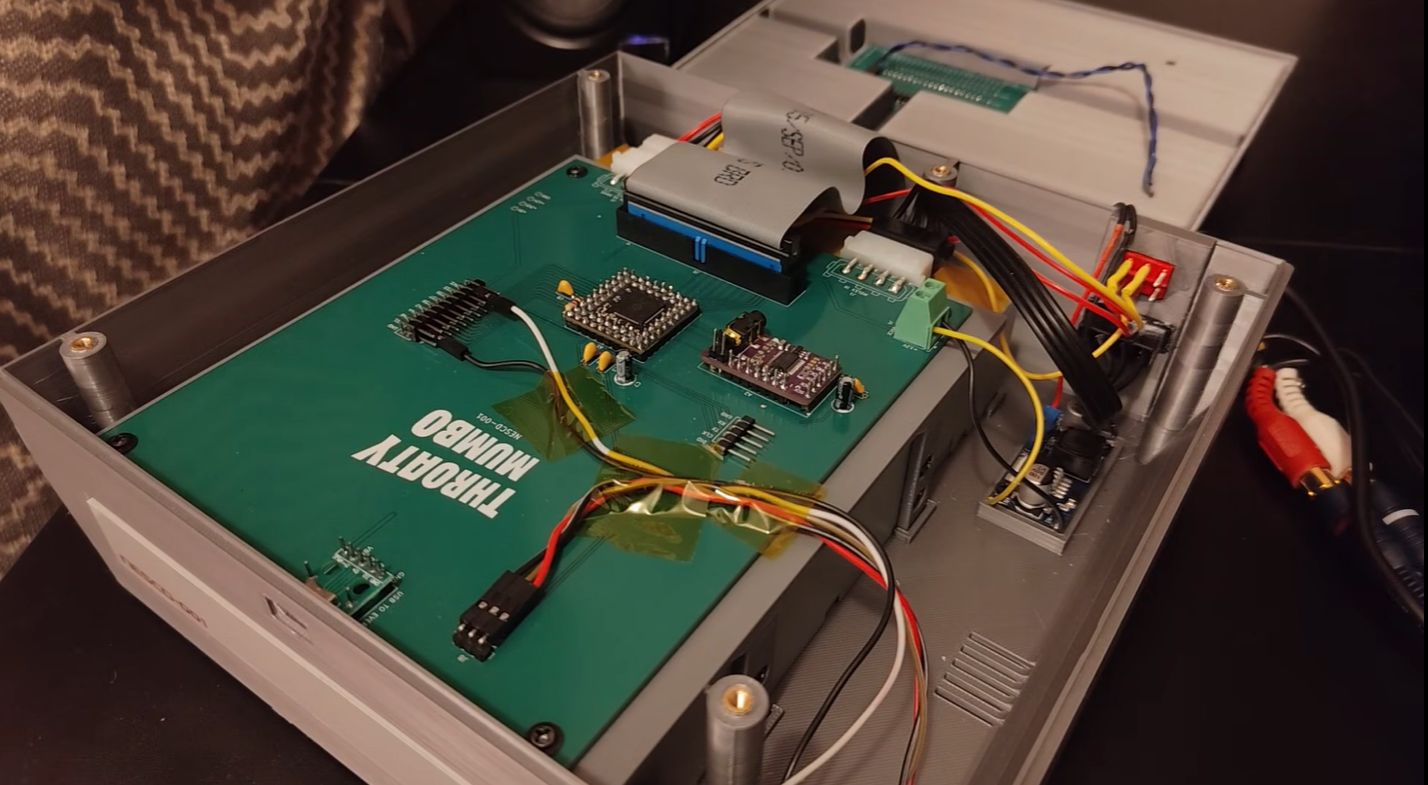
NES CD Add-On Revives 1980s Gaming with Optical Storage
Explore how a DIY project integrates a CD drive with the NES using an RP2350B microcontroller and Everdrive N8 Pro for expanded storage and audio playback.

Mumbai’s Vile Parle Cypher is giving unheard rappers a voice

Enrich and Ultimo impress

Karnataka CM Signals Review of 5% Park Land Amendment Bill in Assembly

