Apple’s new M6 adds feature previously exclusive to high-end chips

Apple’s new M6 chip, debuting in the latest Mac mini, brings a feature that had previously been limited to the company’s higher‑end silicon. The base‑model M6 now includes Apple’s “super cores,” a high‑performance CPU core type that was only available in the M5 Pro and M5 Max variants.
The announcement follows Apple’s introduction of the M5 Ultra, the company’s first quad‑die architecture, and marks the first time a non‑pro chip will contain three distinct core types. The M6 is also the first Apple silicon fabricated on a 2‑nanometer process, a move that promises greater power efficiency and performance density.
Apple’s core architecture has evolved over the last year. Earlier M5 chips used only two core types: a high‑performance core and an energy‑efficient core. In 2024, Apple re‑branded the high‑performance cores as “super cores” and added a new middle‑tier called “performance cores.” The super cores are the most powerful, the performance cores provide a balance of power and efficiency, and the efficiency cores handle light tasks. The M5 Pro and M5 Max introduced this three‑tier system, but only those Pro and Max chips contained all three core types.
With the M6, Apple has extended the three‑tier architecture to the base chip. The new 12‑core M6 contains four super cores, four performance cores, and four efficiency cores, giving it the same core mix as the higher‑end models. This change makes the M6 a “Pro‑level” upgrade over the previous base M5, which offered only two core types. The inclusion of super cores in the M6 is a significant shift, as it allows the base chip to deliver higher single‑threaded performance and better multi‑core workloads without the cost premium of a Pro or Max chip.
The M5 Ultra, meanwhile, continues to push the limits of Apple silicon. It is built on a quad‑die architecture, combining four separate silicon dies into a single package. The Ultra’s design allows it to host more cores and higher memory bandwidth, making it the most powerful M5‑series chip to date. Like the M6, the Ultra also supports the three core types, but it adds a fourth die to accommodate additional performance and efficiency cores.
Apple’s move to include super cores in the base M6 aligns with the company’s broader strategy of democratizing high‑performance silicon. By bringing the same core technology to the entry‑level chip, Apple reduces the performance gap between its mid‑range and high‑end devices. Early benchmarks suggest that the M6 delivers up to 10 % faster single‑threaded performance than the M5, while maintaining comparable power draw.
The 2‑nanometer process used for the M6 is expected to improve transistor density and reduce leakage, contributing to lower power consumption. Apple has not disclosed specific clock speeds for the new cores, but the company’s typical practice is to increase clock rates alongside process improvements. The M6’s 12 cores are arranged in a balanced mix: four super cores for demanding tasks, four performance cores for balanced workloads, and four efficiency cores for background processes.
In addition to CPU changes, the M6 chip also incorporates Apple’s next‑generation Neural Engine, which is expected to support faster machine learning workloads. The chip also continues to use the unified memory architecture that has become standard across Apple silicon, with support for up to 32 GB of RAM in the base Mac mini configuration.
Apple’s announcement of the M6 and M5 Ultra underscores the company’s continued push into advanced semiconductor manufacturing and silicon architecture. By combining a 2‑nanometer process, a quad‑die design, and a three‑tier core system, Apple is positioning its silicon for a wide range of use cases, from everyday tasks to professional‑grade workloads.
The new Mac mini, powered by the M6, will be available for purchase in the coming weeks. Consumers and professionals alike will be able to evaluate the performance gains of the super cores in a budget‑friendly package, while the M5 Ultra will continue to serve high‑end users who demand the maximum possible performance. Apple’s strategy of spreading advanced silicon across its product lineup reflects an ongoing effort to balance performance, efficiency, and price across its ecosystem.
Comments (0)
No comments yet — be the first to weigh in.

Energy biz SSE smacked around in court by a guy and AI
An Oxford doctoral student has defeated British energy provider SSE Energy Supply in court after utilizing artificial intelligence models to build his legal def...
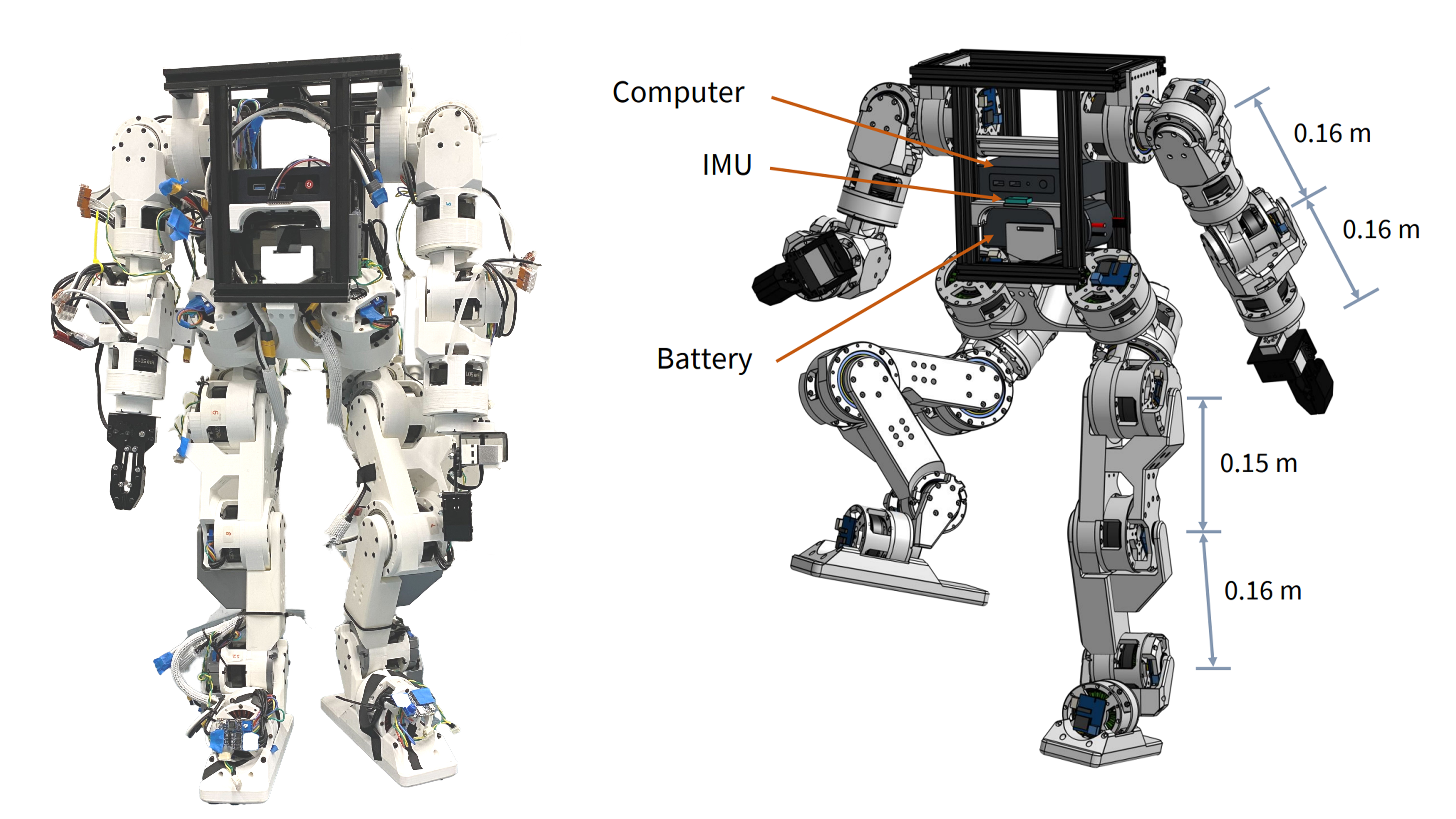
Berkeley Humanoid Lite: Affordable Open-Source Robot with DIY Actuators
Explore the Berkeley Humanoid Lite, a budget-friendly open-source robot featuring 3D-printed actuators under $5,000 USD. Learn how its modular design benefits DIY projects.

Woodstove Safety Monitor: Oru System Alerts Users to Temperature Fluctuations
Discover how the Oru woodstove assistant helps prevent dangerous chimney fires by monitoring exhaust gas temperatures and alerting users to temperature changes.
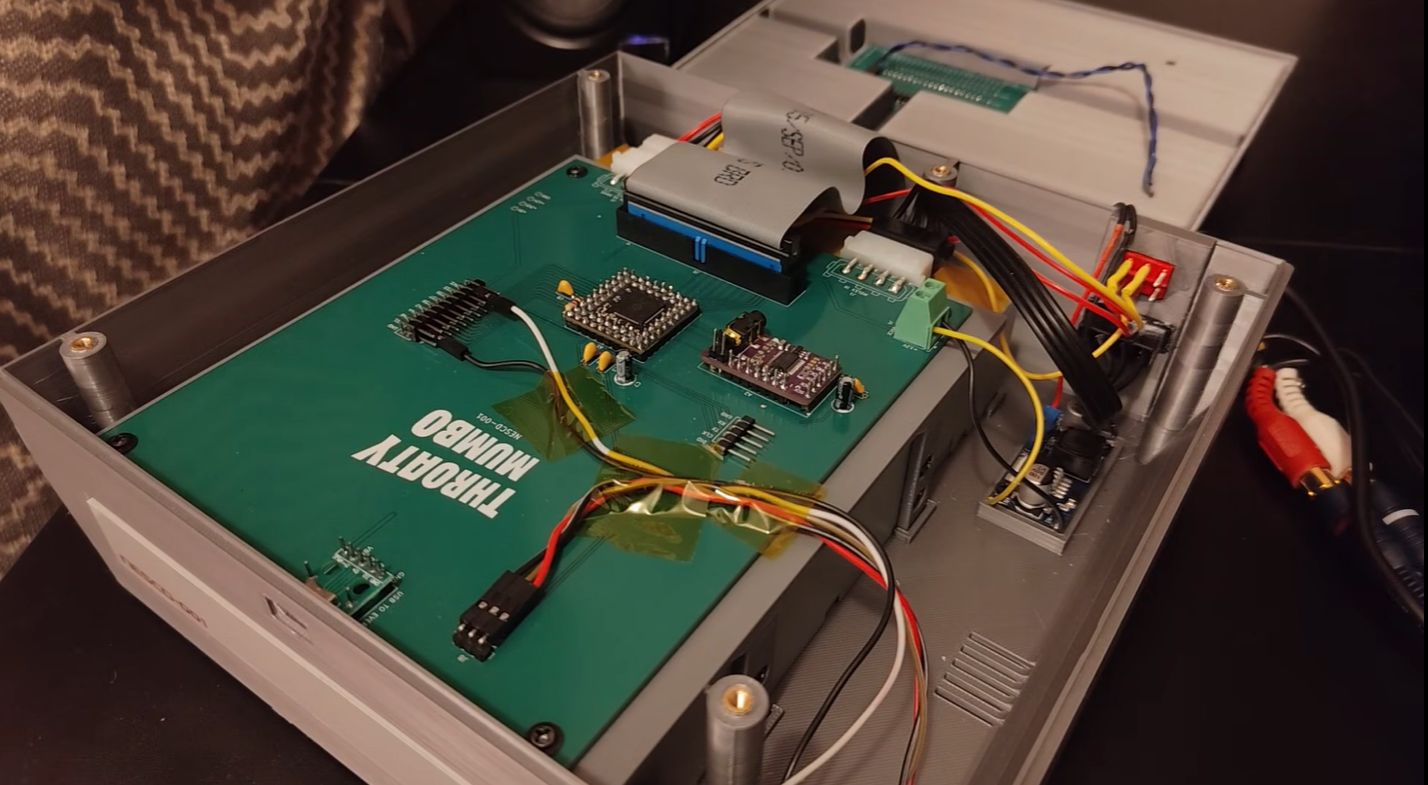
NES CD Add-On Revives 1980s Gaming with Optical Storage
Explore how a DIY project integrates a CD drive with the NES using an RP2350B microcontroller and Everdrive N8 Pro for expanded storage and audio playback.

Mumbai’s Vile Parle Cypher is giving unheard rappers a voice

Enrich and Ultimo impress

Karnataka CM Signals Review of 5% Park Land Amendment Bill in Assembly

