Astropad Rock Paper Pencil 4 Adds Graphite Feel to Apple Pencil & iPad
Astropad launches Rock Paper Pencil 4.0 with graphite tips mimicking 2B pencils, offering removable nano-texture screen protectors for iPad users.
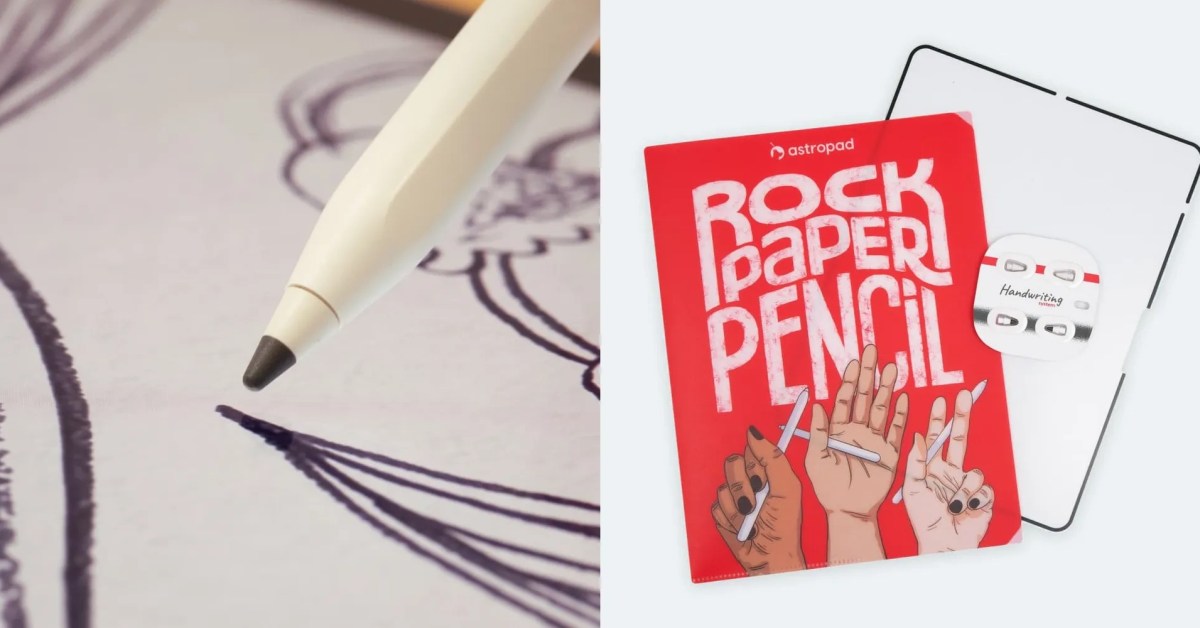
Astropad has released Rock Paper Pencil 4.0, a new accessory kit that adds a graphite‑like writing feel to the Apple Pencil and iPad. The product costs $49.99 and ships worldwide, while the older Rock Paper Pencil 3.0 remains on sale until stock runs out.
The kit pairs a nano‑texture screen protector with four interchangeable Apple Pencil tips. Two of the tips are steel ballpoint pens for smooth, precise linework, while the other two are graphite‑style tips that emulate a 2B pencil. The graphite tips are made from POM plastic and provide a slightly toothier drag that some artists find useful for sketching, shading, and expressive strokes. The ballpoint tips are made from steel and are intended for writing, inking, and tidy note‑taking. Each kit contains four tips in total, two of each type, allowing users to switch between writing styles without changing the screen protector.
Astropad says it spent about a year developing the graphite option. The company used a standard 2B pencil as a reference point and claims that the finished product reproduces the look and sound of real graphite. The graphite tip also has a slightly higher friction coefficient than the ballpoint tip, which the company says helps artists achieve more natural strokes on the iPad display.
The screen protector itself has not changed from earlier versions. It uses Astropad’s NanoCling system, which relies on static cling rather than adhesive. The protector can be applied, removed, and reused without leaving residue. The NanoCling system is described as having a bond stronger than magnets while still allowing bubble‑free application. The microscopic texture of the protector mimics the tooth of fine‑grain paper to provide friction and added control. Astropad emphasizes that the custom tips are designed to work exclusively with the nano‑texture protector, and that the graphite tip is made from POM while the ballpoint version uses steel.
Rock Paper Pencil 4.0 treats the screen protector and the Apple Pencil tips as a single system. The graphite tip is designed to work with the nano‑texture protector, and the ballpoint tip is also compatible. The kit is marketed as a way to add a “graphite feel” to the iPad display without a permanent commitment. The product can be used by artists who want a more natural pencil experience, as well as by writers who prefer the smoothness of a ballpoint pen.
The new kit is available now for $49.99 and ships worldwide. The older Rock Paper Pencil 3.0 is still available for a lower price, though the company warns that supplies are limited. Astropad does not provide any warranty or return policy information in the product description. The company’s website offers a FAQ section that explains the differences between the ballpoint and graphite tips, how to install the screen protector, and how to change tips.
Astropad’s Rock Paper Pencil line is aimed at users who want a more natural drawing experience on the iPad. The company’s earlier version, Rock Paper Pencil 3.0, was praised for its lightweight design and the ability to apply and remove the screen protector without leaving residue. The new 4.0 version builds on that foundation by adding a graphite‑style tip that mimics the feel of a real pencil.
In summary, Astropad’s Rock Paper Pencil 4.0 offers a $49.99 kit that includes a nano‑texture screen protector and four interchangeable Apple Pencil tips—two steel ballpoint and two graphite. The graphite tips aim to replicate the feel of a 2B pencil, while the ballpoint tips provide smooth, precise linework. The product is designed for artists and writers who want a more natural drawing or writing experience on the iPad without a permanent commitment. The kit ships worldwide, and the older version remains available for a lower price until supplies are exhausted.
Comments (0)
No comments yet — be the first to weigh in.

Energy biz SSE smacked around in court by a guy and AI
An Oxford doctoral student has defeated British energy provider SSE Energy Supply in court after utilizing artificial intelligence models to build his legal def...
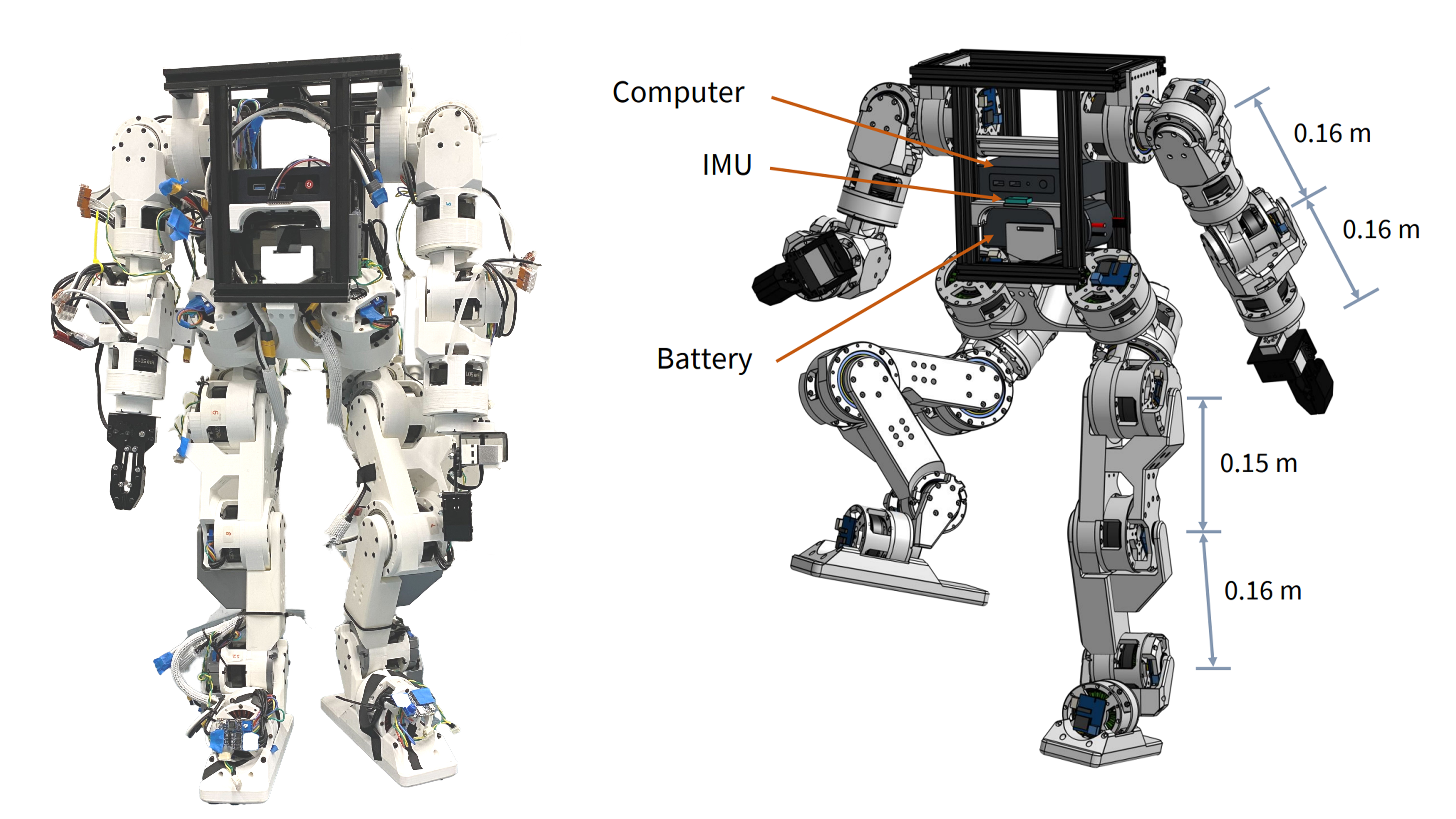
Berkeley Humanoid Lite: Affordable Open-Source Robot with DIY Actuators
Explore the Berkeley Humanoid Lite, a budget-friendly open-source robot featuring 3D-printed actuators under $5,000 USD. Learn how its modular design benefits DIY projects.
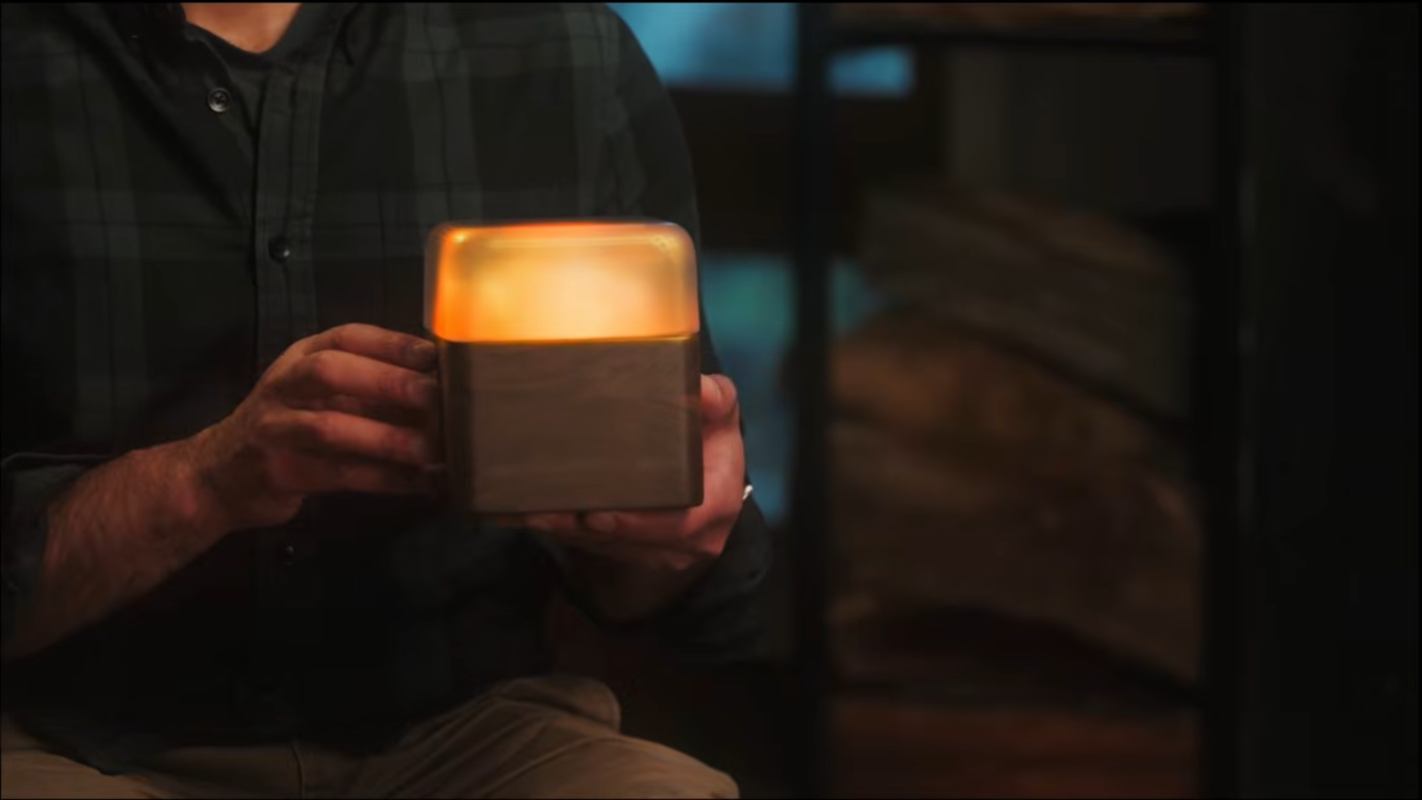
Woodstove Safety Monitor: Oru System Alerts Users to Temperature Fluctuations
Discover how the Oru woodstove assistant helps prevent dangerous chimney fires by monitoring exhaust gas temperatures and alerting users to temperature changes.
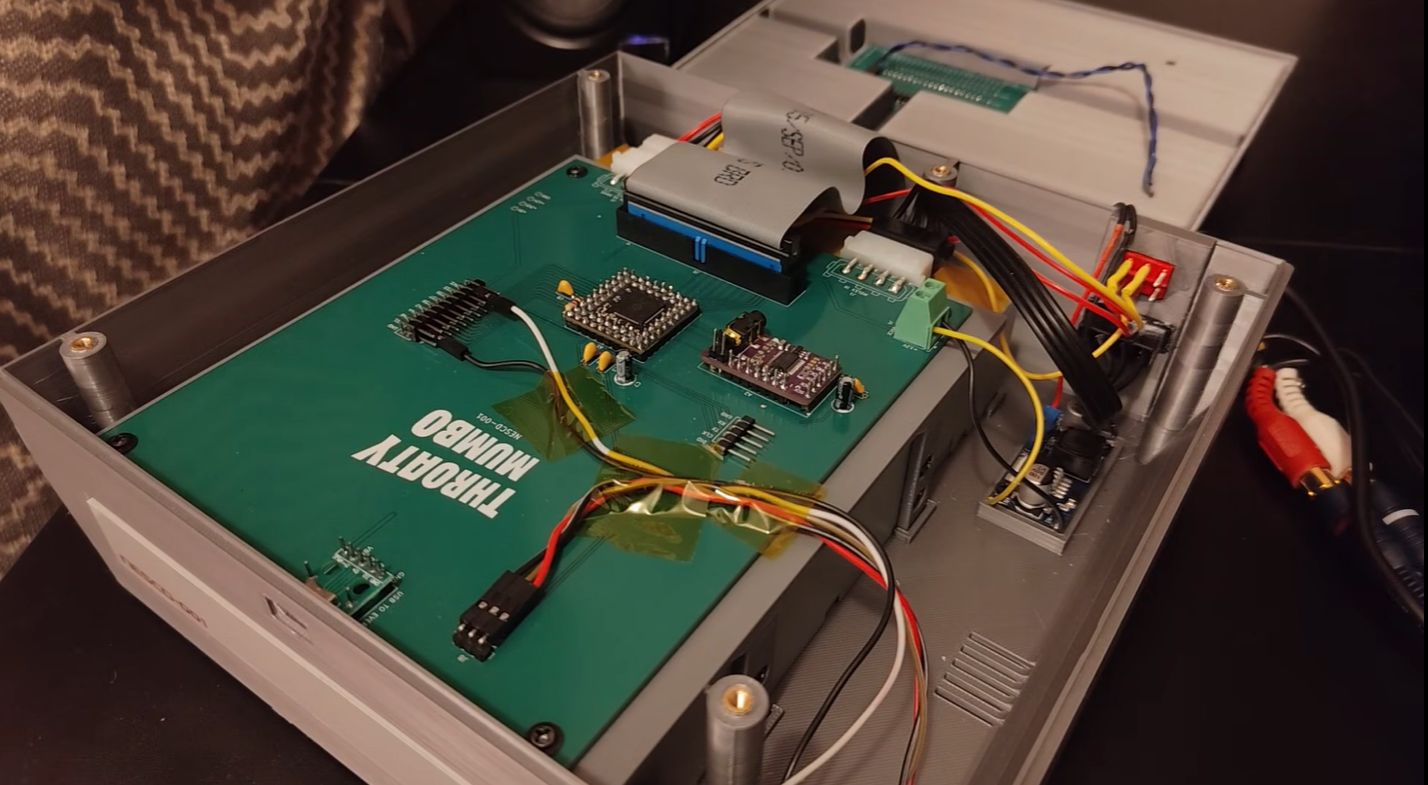
NES CD Add-On Revives 1980s Gaming with Optical Storage
Explore how a DIY project integrates a CD drive with the NES using an RP2350B microcontroller and Everdrive N8 Pro for expanded storage and audio playback.

Mumbai’s Vile Parle Cypher is giving unheard rappers a voice

Enrich and Ultimo impress

Karnataka CM Signals Review of 5% Park Land Amendment Bill in Assembly

