BBC Faces Backlash Over 'Solidarity' Email to Foreign Staff After Brutal Belfast Attack
Controversy erupts as internal BBC email offering 'solidarity' to foreign staff overshadows brutal beheading attempt in Belfast. Details on the case and public reaction.
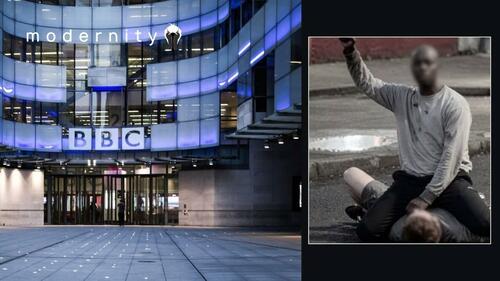
A leaked internal email from the BBC has reignited debate over the corporation’s response to a violent attack in Belfast, in which a Sudanese asylum seeker was charged with attempting to behead a local man. The correspondence, sent by BBC Chief Technology Officer Jack Whyte in June, offered “solidarity” to staff who may feel “particularly vulnerable,” specifically mentioning colleagues “who have come to Northern Ireland and the UK from other countries.” The email followed unrest in the city after the brutal assault on Stephen Ogilvie.
The attack occurred on June 8 on Kinnaird Avenue in north Belfast. Witnesses described efforts to intervene as the suspect, Hadi Alodid, allegedly used a knife to inflict severe injuries. Police found Alodid, 30, sitting on Ogilvie, who suffered deep cuts to his head, face, neck, and back, and lost his left eye. Court documents state that while being treated for a hand injury, Alodid reportedly said, “I’ve killed someone, I don’t know if they are dead,” and “I will kill you.” He faces charges including attempted murder and possession of a knife in a public place.
Alodid arrived in the UK in February 2023, traveling from Sudan to Paris, then flying to Dublin before crossing the border into Belfast. He claimed asylum the same day and was granted leave to remain until 2028. The incident has prompted scrutiny of asylum routes and community tensions in Northern Ireland.
Whyte’s email, which also condemned “hatred, intimidation, and violence in all its forms,” drew criticism for framing support around foreign-born staff rather than local residents concerned about public safety. Internal sources described the message as prioritizing the welfare of international colleagues while omitting mention of native Britons who may fear similar attacks.
The BBC has not publicly addressed the criticism, beyond reiterating its commitment to an inclusive workplace. The attack and the corporation’s response have become part of a broader discussion about immigration, policing, and media framing of violent crime involving asylum seekers.
Meanwhile, Home Office-linked research units have been accused of influencing public narratives around protests and victim family statements. The Research, Information and Communications Unit (RICU), established in 2007 under Prevent counter-terrorism measures, has been linked to strategies that portray demonstrators as “thugs” rather than activists. Its role in shaping communications during civil unrest remains a point of contention.
The controversy follows ongoing legal battles over the release of data on foreign national offenders. Families of victims, including those of Rhiannon Whyte—stabbed 23 times by a Sudanese asylum seeker—are challenging the Ministry of Justice’s refusal to disclose nationality breakdowns of convictions. Campaigners argue that withholding such data obscures the scale of harm caused by offenders entering the UK irregularly.
As debate intensifies, the BBC leak has added weight to concerns about institutional priorities in a climate of rising public anxiety over immigration and community safety.
#BBC #NorthernIreland #Asylum #Immigration #StephenOgilvie #HadiAlodid #HomeOffice
Comments (0)
No comments yet — be the first to weigh in.

Free School Uniform Swap Shop Saves Welsh Families £50m Annually
A Cardiff father's school uniform swap shop initiative has grown to 200 schools, helping Welsh families save £50m yearly while promoting sustainability and reducing clothing waste.

Poland, US Explore Permanent Military Bases: Defense Talks Underway
Poland and the US are discussing permanent American military bases in Poland, focusing on defense capabilities rather than troop numbers. Nuclear warheads are not part of the plans.
Taxpayers Lost $65B to Obamacare Fraud in 2024; Feds Crack Down
A Paragon Health Institute report reveals $65 billion in taxpayer losses due to Obamacare and Medicaid fraud in 2024, with improper enrollments rising in 2025.
El Niño Delaying 2026 Atlantic Hurricane Season as Dolly Nears Florida
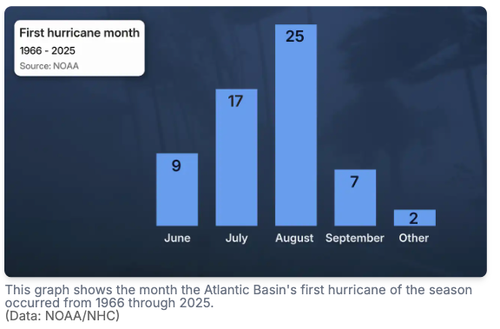
El Niño's wind shear suppresses 2026 Atlantic hurricane activity, delaying first hurricane as Tropical Storm Dolly's remnants approach Florida and the Caribbean.

Mumbai’s Vile Parle Cypher is giving unheard rappers a voice

Enrich and Ultimo impress

Karnataka CM Signals Review of 5% Park Land Amendment Bill in Assembly

