Canada Retaliates and Trump Threatens to Rename Lake Ontario

Canada escalates trade dispute with U.S. by imposing tariffs on $20 billion in American goods, effective September 8, in response to new U.S. levies. The move heightens tensions between the two nations, which share one of the world’s most integrated economies.
The Canadian government announced plans to impose tariffs ranging from 15% to 50% on approximately 700 U.S. products, targeting sectors such as steel, aluminum, motorcycles, kitchen appliances, and seafood. The duties aim to protect domestic industries affected by U.S. tariffs and apply additional pressure in key U.S. political races ahead of the midterm elections in November.
Industry Minister Melanie Joly stated that the retaliatory measures were designed to be both strategic and politically astute. Trade analysts noted that nearly 200 seafood products were included in the tariffs, likely targeting Maine—a state where Republican Senator Susan Collins faces a competitive re-election bid.
Prime Minister Mark Carney criticized U.S. trade policy, asserting that negotiations had revealed an intent to weaken Canada’s automotive, steel, and aluminum industries. He emphasized that Canada would only resume talks if the U.S. approached discussions with respect for Canadian sovereignty.
Reports suggest that Canada’s actions reflect broader public frustration, with surveys indicating that 80% of Canadians now hold unfavorable views of the U.S., a historic high. Meanwhile, U.S. public opinion also appears divided, with many constituents opposing the trade war despite its origins in Washington.
Economists warn that trade disputes harm both sides, though retaliation is often seen as politically necessary. With Canada now imposing significant tariffs, the risk of further escalation remains a concern. Analysts question whether the U.S. might expand its tariffs to include additional sectors or even target China, potentially triggering a third economic confrontation.
Observers note that Canada holds additional leverage in energy trade, though its potential use remains uncertain. Meanwhile, political figures in both countries continue to exchange barbs, with tensions showing no signs of abating.
The dispute underscores deepening economic rifts between North America’s largest trading partners, raising concerns about long-term implications for businesses, consumers, and global trade stability.
Comments (0)
No comments yet — be the first to weigh in.

Free School Uniform Swap Shop Saves Welsh Families £50m Annually
A Cardiff father's school uniform swap shop initiative has grown to 200 schools, helping Welsh families save £50m yearly while promoting sustainability and reducing clothing waste.

Poland, US Explore Permanent Military Bases: Defense Talks Underway
Poland and the US are discussing permanent American military bases in Poland, focusing on defense capabilities rather than troop numbers. Nuclear warheads are not part of the plans.

Taxpayers Lost $65B to Obamacare Fraud in 2024; Feds Crack Down
A Paragon Health Institute report reveals $65 billion in taxpayer losses due to Obamacare and Medicaid fraud in 2024, with improper enrollments rising in 2025.
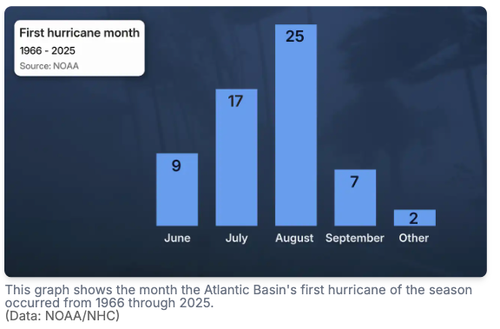
El Niño Delaying 2026 Atlantic Hurricane Season as Dolly Nears Florida
El Niño's wind shear suppresses 2026 Atlantic hurricane activity, delaying first hurricane as Tropical Storm Dolly's remnants approach Florida and the Caribbean.

Mumbai’s Vile Parle Cypher is giving unheard rappers a voice

Enrich and Ultimo impress

Karnataka CM Signals Review of 5% Park Land Amendment Bill in Assembly

