Chinese American Adoptees Struggle with Identity Amid One-Child Policy Fallout
Chinese adoptees in the U.S. face identity struggles due to abandonment during the one-child policy era. Many lack ties to their birth families or cultural roots.
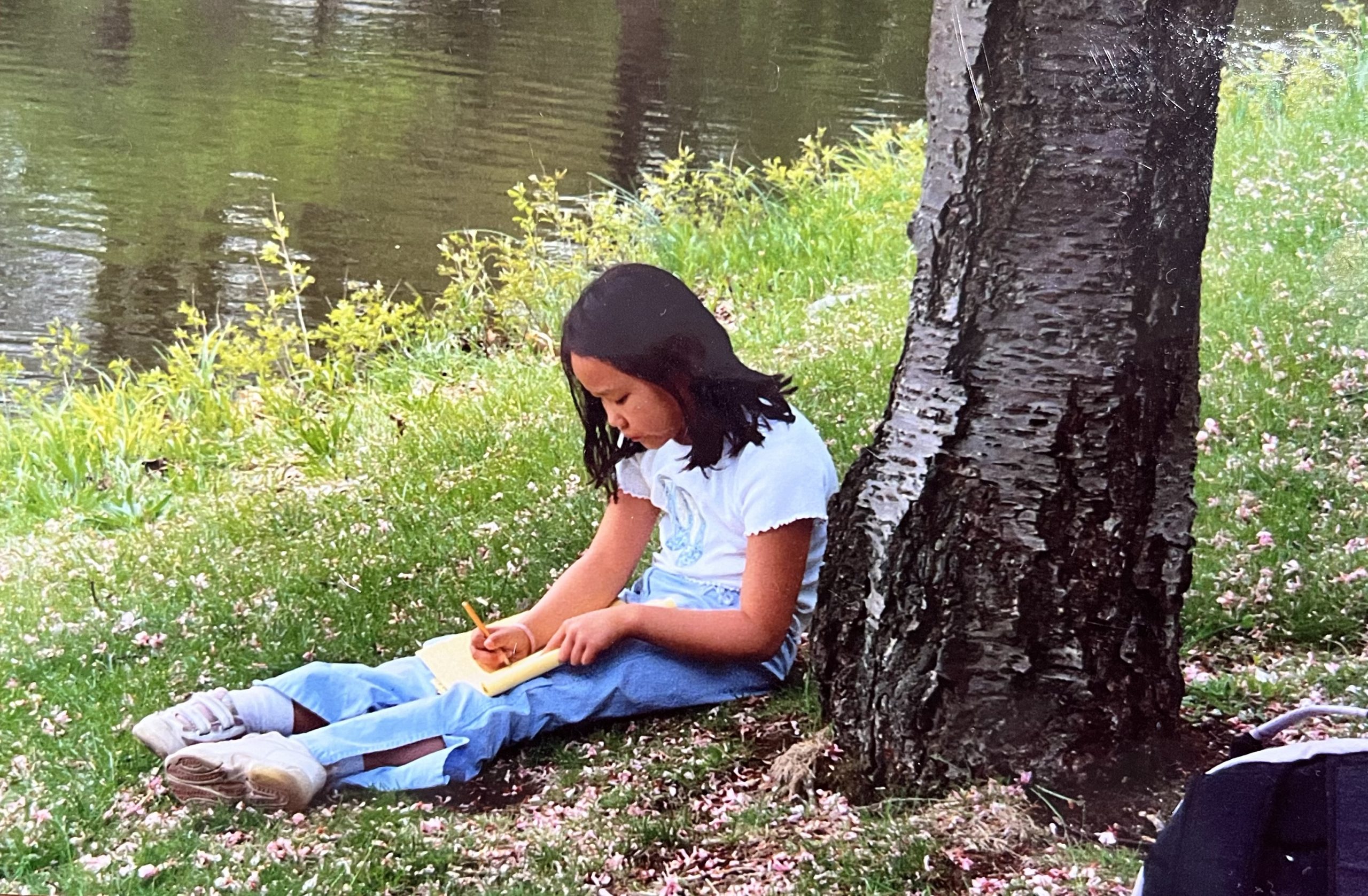
China's one-child policy, implemented in 1980 to control population growth, led to widespread abandonment and international adoption of Chinese children, particularly girls. The policy, enforced through fines, coercion, and restrictions on non-compliant families, ended in 2016. Cultural preferences for male heirs and economic pressures exacerbated the abandonment of female infants, with around 2 million children, mostly girls, left in orphanages or abandoned.
Between 1999 and 2016, U.S. parents adopted 78,257 children from China, over 60% of whom were girls. Many adoptees, raised in white, affluent households far from their cultural roots, struggle with identity and belonging. First-generation Chinese adoptees often lack connections to their biological families or cultural heritage, facing isolation and difficulty integrating into both American and Chinese communities.
Adoptees born in Wuhan, where COVID-19 originated, faced additional challenges. The pandemic and associated anti-Asian rhetoric, including terms like "Chinese virus" used by former President Donald Trump, intensified discrimination against Asian Americans, including adoptees. According to Stop AAPI Hate, one in five respondents reported experiencing hate incidents between March 2020 and September 2021.
Lian Parsons-Thomason, a Boston-based journalist and Chinese adoptee, shared her experiences of growing up in a predominantly white community, feeling disconnected from her heritage, and later finding solidarity within the Asian American and Pacific Islander (AAPI) community. Parsons-Thomason emphasized the lifelong journey of self-exploration and the importance of community in understanding generational trauma, internalized racism, and institutional oppression.
Experts note that the unique challenges faced by Chinese adoptees stem from the disconnect caused by international adoption, cultural differences, and the lack of access to their birth families' histories. The absence of documentation and the prevalence of child trafficking during the one-child policy era further complicate adoptees' efforts to reconnect with their origins.
Parsons-Thomason's story reflects the broader experiences of many Chinese adoptees, highlighting the need for greater awareness and support within both the adoptee and AAPI communities. As the number of Chinese adoptees continues to grow, their individual narratives contribute to a deeper understanding of the complexities surrounding identity, adoption, and cultural belonging.
Comments (0)
No comments yet — be the first to weigh in.

Middlesbrough's Crime Crisis: Decades of Failed Policies Unleash Chaos
Former Middlesbrough mayor Andy Preston blames decades of lenient crime policies for the town's recent surge in gang violence and lawlessness.

Google Maps Renames Lake Ontario to 'Lake America' Following Trump Order
Google Maps now displays 'Lake America' in the US, replacing 'Lake Ontario' after Trump's executive order amid trade tensions with Canada. Canadians still see the original name.

Pentagon Warns Pentagon Chiefs: Iran War Unsustainable, Threatens U.S. Readiness
Classified assessment reveals Pentagon chiefs warn Defense Secretary Pete Hegseth that the Iran war is unsustainable and drains U.S. military resources and readiness.

Mike Rogers Proposes $50 Copays for Routine Health Screenings, Critics Warn of Risks
Former Congressman Mike Rogers suggests $50 copays for routine screenings, sparking debate over healthcare costs and access. Critics highlight potential risks.

Mumbai’s Vile Parle Cypher is giving unheard rappers a voice

Enrich and Ultimo impress

Karnataka CM Signals Review of 5% Park Land Amendment Bill in Assembly

