CRPF Denies RTI Request on Pellet Use in Delhi Student Protests
CRPF refuses to share pellet gun deployment details during Delhi student protests, citing RTI Act exemptions. TMC leader Saket Gokhale alleges human rights violations.
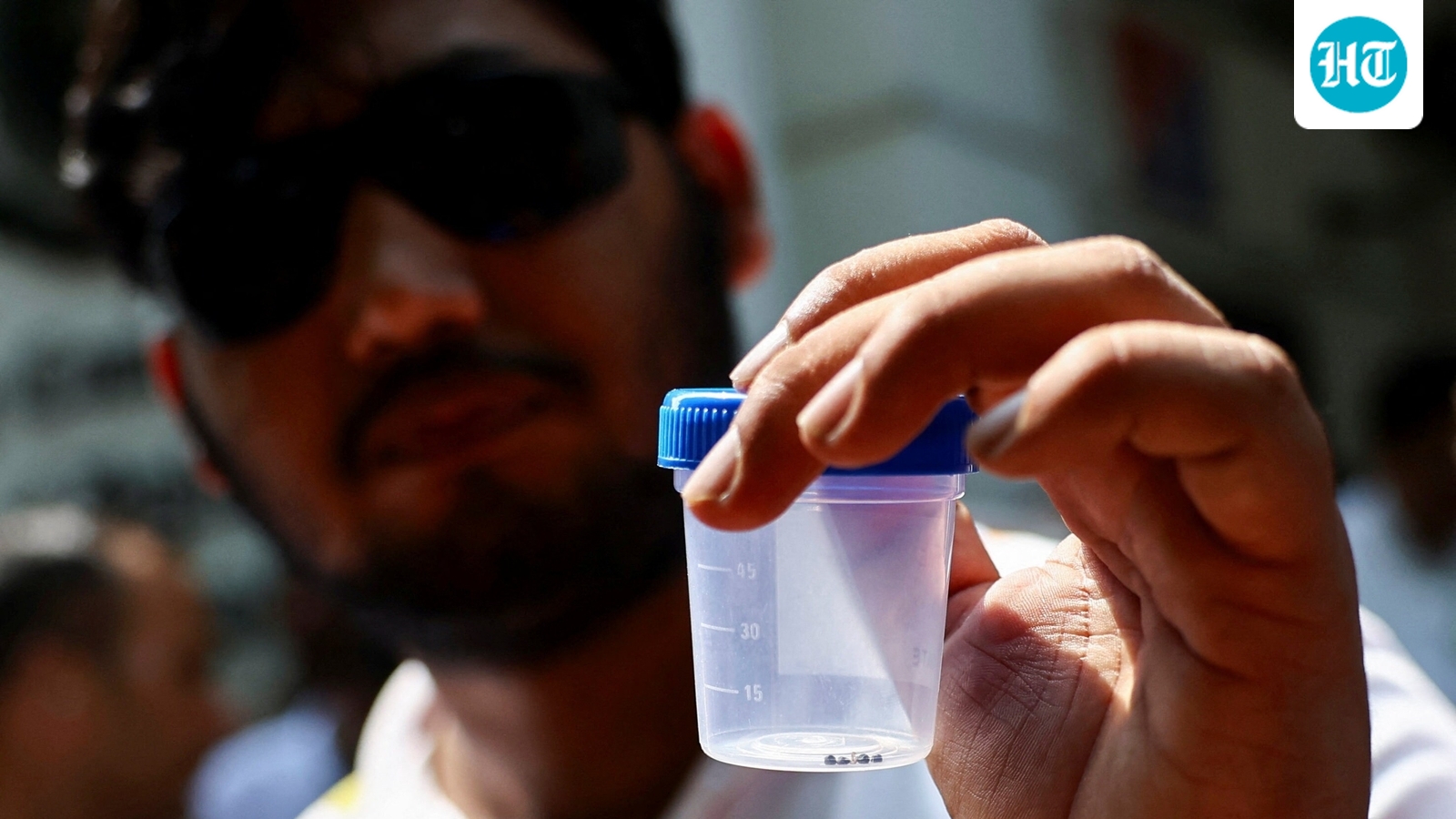
Central Reserve Police Force (CRPF) has refused to disclose records of pellet‑gun use during the July 20 student protests in Delhi, according to an application filed by Trinamool Congress leader Saket Gokhale under the Right to Information (RTI) Act. The request, which sought ammunition logs, issue records and details of the Rapid Action Force (RAF) deployment, was denied on the grounds that the information falls under the RTI exemption for security organisations.
The protests erupted on July 20 after students and parents staged a march from Jantar Mantar to Parliament to demand an end to alleged examination irregularities. Several students were injured by plastic and metallic pellets fired by the RAF. One protester was reported to have suffered a serious eye injury that could lead to permanent blindness, prompting Rahul Gandhi to escort the victim to a police station and demand a first information report (FIR).
Gokhale’s RTI application highlighted the use of pellet guns on unarmed protestors as a human‑rights violation. “The CRPF is bound to share information under the RTI Act when the matter involves corruption or human‑rights violations,” he wrote on X. The application requested the ammunition log, issue records and any deployment details of the RAF on the day of the protests.
In its reply dated July 30, the CRPF cited Section 24(1) of the RTI Act, stating that security organisations are exempt from disclosure except in cases of corruption or human‑rights violations. The reply read that the allegations “do not attract the exception relating to a violation of human rights,” and therefore the CRPF was not liable to provide the information. The agency reiterated that the requested data were operational and security‑related.
Gokhale appealed the denial, arguing that the request concerned the use of force against civilians and fell within the proviso to Section 24(1) that excludes no information on human‑rights violations. He pointed out that the incident involved “grievous injury, including injuries to the eyes with a risk of permanent blindness,” and that the facts were already in the public domain. The appeal also invoked Section 7(1) of the RTI Act, which protects information relating to the life and liberty of persons.
A second CRPF reply on August 21 repeated the exemption, describing the information as “operational and security‑related” and refusing to disclose it. Gokhale said he would approach the Supreme Court, noting that the appellate authority had again denied the request citing the same legal excuse.
The use of pellet guns in Delhi is part of the RAF’s crowd‑control manual, alongside tear gas, rubber bullets and smoke grenades. Critics, including opposition parties and experts, have described the deployment on student protestors as inappropriate and a violation of non‑lethal weapon protocols. The first recorded use of pellets in New Delhi occurred during these July protests, a departure from their earlier deployment in Jammu and Kashmir.
In response to the controversy, the Supreme Court has constituted a five‑member independent committee to probe allegations of violence during the July 20 protests. The panel will examine the use of pellet guns, the proportionality of force, and the overall conduct of security forces during the march from Jantar Mantar to Parliament.
The case underscores the tension between security agencies’ confidentiality and citizens’ right to information, especially when alleged human‑rights violations are involved. The outcome of Gokhale’s appeal and any subsequent Supreme Court review may set a precedent for how security forces disclose operational details in future incidents.
The CRPF has yet to issue a formal comment on the latest appeal, and updates will be provided as new information becomes available.
#CRPF #PelletGun #StudentProtests #Delhi #SaketGokhale #HumanRights #RTI #SupremeCourt
Comments (0)
No comments yet — be the first to weigh in.

Mumbai’s Vile Parle Cypher is giving unheard rappers a voice
A new documentary streaming on YouTube sheds light on the Vile Parle Cypher, a grassroots hip-hop collective giving a platform to unheard street artists and gig...

Enrich and Ultimo impress
Racehorses Enrich and Ultimo Impress in Tuesday Morning Workouts at Bengaluru Turf Club BENGALURU, Sept 1 – Two rising stars in India’s horse racing circuit, En...

Karnataka CM Signals Review of 5% Park Land Amendment Bill in Assembly
Karnataka Chief Minister D.K. Shivakumar says the controversial 5% park land amendment bill can be re‑examined in the Assembly after protests over Lalbagh land use.

When an organisation deviates from its values, faith of those associated with its ideology is shattered: Kaushal Kishore
Former Union Minister and senior Bharatiya Janata Party (BJP) leader Kaushal Kishore suggested on September 1, 2026, that organizations risk losing public trust...
Mumbai’s Vile Parle Cypher is giving unheard rappers a voice
Enrich and Ultimo impress
Karnataka CM Signals Review of 5% Park Land Amendment Bill in Assembly
