Debunking Myths: Gender Pay Gap, Autism Trends & Climate Solutions
Explore the gender pay gap debate, autism prevalence trends, climate change solutions, and controversial narratives in this Quillette Cetera episode.
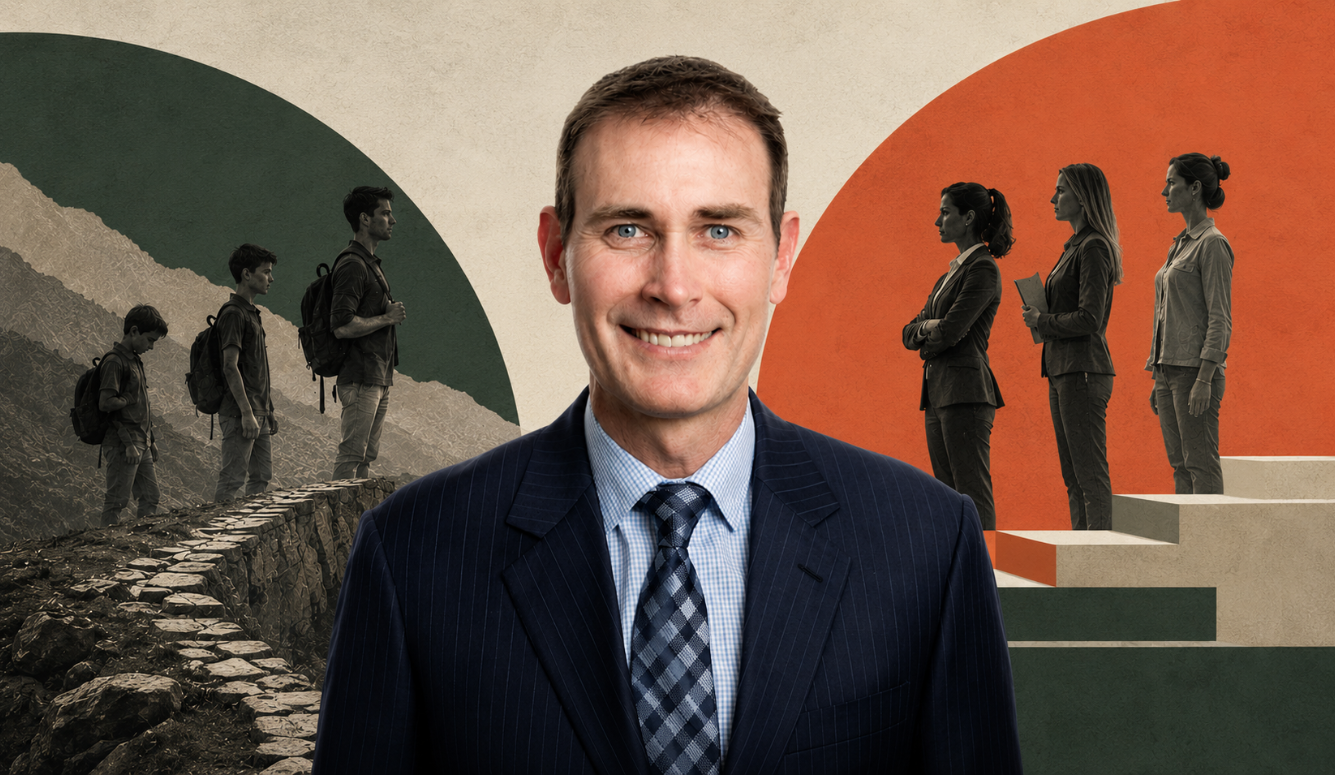
The Gender Pay Gap: Examining the Data and Debates
A recent episode of Quillette’s Cetera podcast series, featuring commentator David Maywald, addressed the persistent issue of the gender pay gap, challenging misconceptions while highlighting the complexities of wage disparities between men and women in the workforce.
Maywald’s discussion emphasized the importance of distinguishing between discrimination and structural factors influencing pay differences. According to the U.S. Bureau of Labor Statistics, women earn approximately 82 cents for every dollar earned by men, a figure often cited in discussions about pay equity. However, economists note that this raw wage gap does not account for differences in occupation, hours worked, experience, or career interruptions—factors that contribute significantly to earnings variations.
A 2017 study by the U.S. Department of Labor found that after controlling for such variables, the unadjusted pay gap narrows to about 95 cents on the dollar. This suggests that while disparities persist, they cannot be solely attributed to systemic bias. Critics argue that occupational segregation—where women are overrepresented in lower-paying fields—plays a major role. Fields such as healthcare and education, which are predominantly female, tend to offer lower average salaries than male-dominated sectors like technology and finance.
Maywald also addressed the influence of cultural and societal expectations, which can shape career choices from an early age. Girls, for instance, are often encouraged toward caregiving roles, while boys may be steered toward higher-paying disciplines. These early influences can perpetuate wage gaps later in life.
The debate over the gender pay gap remains contentious. Advocacy groups argue that systemic barriers, including workplace discrimination and lack of family leave policies, continue to disadvantage women. Meanwhile, opponents of the "wage gap myth" contend that the focus should shift from equality of outcomes to equality of opportunity, ensuring fair compensation based on merit rather than gender.
In the realm of professional sports, the discussion extends to disparities in prize money and sponsorship. Female athletes, despite comparable levels of skill and dedication, often receive significantly lower compensation than their male counterparts. This discrepancy is frequently justified by differences in revenue generation, though critics argue that structural inequities in marketing and media coverage contribute to the imbalance.
As discussions about pay equity evolve, policymakers and employers face growing pressure to address both overt discrimination and the underlying factors that shape wage differences. Whether through legislative reforms, corporate accountability, or cultural shifts, the path toward equitable compensation remains a critical issue in the broader conversation about gender equality.
Comments (0)
No comments yet — be the first to weigh in.

Middlesbrough's Crime Crisis: Decades of Failed Policies Unleash Chaos
Former Middlesbrough mayor Andy Preston blames decades of lenient crime policies for the town's recent surge in gang violence and lawlessness.

Google Maps Renames Lake Ontario to 'Lake America' Following Trump Order
Google Maps now displays 'Lake America' in the US, replacing 'Lake Ontario' after Trump's executive order amid trade tensions with Canada. Canadians still see the original name.

Pentagon Warns Pentagon Chiefs: Iran War Unsustainable, Threatens U.S. Readiness
Classified assessment reveals Pentagon chiefs warn Defense Secretary Pete Hegseth that the Iran war is unsustainable and drains U.S. military resources and readiness.

Mike Rogers Proposes $50 Copays for Routine Health Screenings, Critics Warn of Risks
Former Congressman Mike Rogers suggests $50 copays for routine screenings, sparking debate over healthcare costs and access. Critics highlight potential risks.

Mumbai’s Vile Parle Cypher is giving unheard rappers a voice

Enrich and Ultimo impress

Karnataka CM Signals Review of 5% Park Land Amendment Bill in Assembly

