Dolphin dies from H5 bird flu in SA as researchers withdrawn from sub-Antarctic island over ‘psychosocial risk’
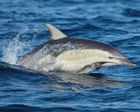
A common dolphin that died near Goolwa on South Australia’s Fleurieu Peninsula tested positive for H5N1 bird flu, making it the second native mammal in the country to be confirmed with the virus. The finding comes as the Australian government has decided to evacuate 24 scientists from the research station on Macquarie Island, citing the “psychosocial risk” of witnessing large seal deaths during the breeding season.
State authorities confirmed the dolphin’s death after samples were sent to the Australian Centre for Disease Preparedness. The test results showed the animal was infected with H5N1, a strain that has caused severe outbreaks in birds and, increasingly, in marine mammals. Earlier this year the virus was detected in long‑nosed fur seals at Beachport and the Pages Islands and in a feral red fox near Port Adelaide. The Department of Primary Industries and Regions noted that, although dolphins do not normally prey on birds, they can interact with them, potentially exposing the animals to the virus.
The federal government’s risk assessment placed common dolphins at high risk from bird flu, indicating that if the virus establishes itself in dolphin populations, the species could face significant population declines. “While the detection in the common dolphin is a new development in Australia, there is evidence of dolphins and porpoises catching H5 bird flu overseas,” a spokesperson for the department said. “Dolphins would not commonly eat birds but it is not unusual for them to sometimes interact.”
The decision to withdraw researchers from Macquarie Island was announced on Friday. The island, located about 1,500 km southeast of Tasmania, hosts a large colony of elephant seals that breed each spring. Although H5N1 has not yet been detected on the island, scientists had warned of a high likelihood of a significant mortality event among seals during the upcoming breeding season. The department said the risk to humans from the virus remains low, but a mass die‑off could expose expeditioners to prolonged psychological stress and other workplace impacts.
Deputy secretary Sean Sullivan explained the measure as unusual but necessary. “This is an unusual measure, but is the most appropriate course of action, based on our assessments of risk, and operational realities,” he said. “Our first priority is the health and safety of our expeditioners. While the risk to humans of H5 bird flu is considered low, we can’t ignore the psychosocial risks of living near potentially large numbers of affected animals.” Sullivan added that the researchers work in one of the world’s most remote and challenging environments and that the government was exploring ways to monitor the situation on Macquarie Island with a view to returning scientists in future seasons.
The South Australian government also announced that it would confirm H5N1 cases through local laboratories, eliminating the need for CSIRO verification. The state said its improved testing processes now allow for rapid confirmation of cases. Meanwhile, the New South Wales government revealed plans to vaccinate wild little penguins at Manly and Barunguba Montague Island against the virus. It also said that “trial cohorts” of captive bird populations, including little penguins, Carnaby’s black cockatoos and red‑tailed black cockatoos, received the first vaccinations at Taronga Zoo this week.
The decision to evacuate the Macquarie Island station follows previous experiences with the disease. Drone surveys in 2025 and 2026 detected more than 13,000 dead southern elephant seal pups on Heard Island, a reminder of the virus’s potential impact on seal colonies. The government’s action is intended to minimise risks to researchers and to the broader Australian Antarctic program ahead of any mass mortality event.
In summary, the death of a dolphin from H5N1 in South Australia underscores the expanding reach of the virus into marine mammals. The federal government’s withdrawal of scientists from Macquarie Island reflects a precautionary approach to protecting researchers from the psychological toll of potential large‑scale seal deaths. State authorities are strengthening local testing capabilities and exploring vaccination strategies for vulnerable bird populations, while the national response aims to monitor and mitigate the spread of H5N1 across the region.
Comments (0)
No comments yet — be the first to weigh in.
Iran-US Tensions Escalate Amid Hormuz Strait Crisis – Live Updates
Iranian President Pezeshkian seeks diplomatic solutions with global leaders at SCO summit in Kyrgyzstan amid rising US tensions over Hormuz Strait.

Search continues for 18 passengers after ferry capsized in northern Cyprus
Search and rescue operations are continuing off the coast of Kyrenia in northern Cyprus after a passenger ferry capsized and sank on Sunday, leaving at least ei...

Swiss Man Arrested After Deadly Rave Shooting Kills Italian Woman
A 43-year-old Swiss suspect has been arrested after a shooting at a techno rave in Aarau left one woman dead and several others injured. Authorities continue their investigation.

England attack's 2005 comparisons fair - Trescothick
England’s new pace attack is drawing comparisons to the legendary Ashes-winning quartet of 2005, according to interim head coach Marcus Trescothick. The current...

Mumbai’s Vile Parle Cypher is giving unheard rappers a voice

Enrich and Ultimo impress

Karnataka CM Signals Review of 5% Park Land Amendment Bill in Assembly

