DOOM's Iconic Music Recreated Using Only 555 Timer Chips
A hardware hacker recreates DOOM's opening track using sixteen 555 timer chips, showcasing the feasibility of replicating simple software in hardware.
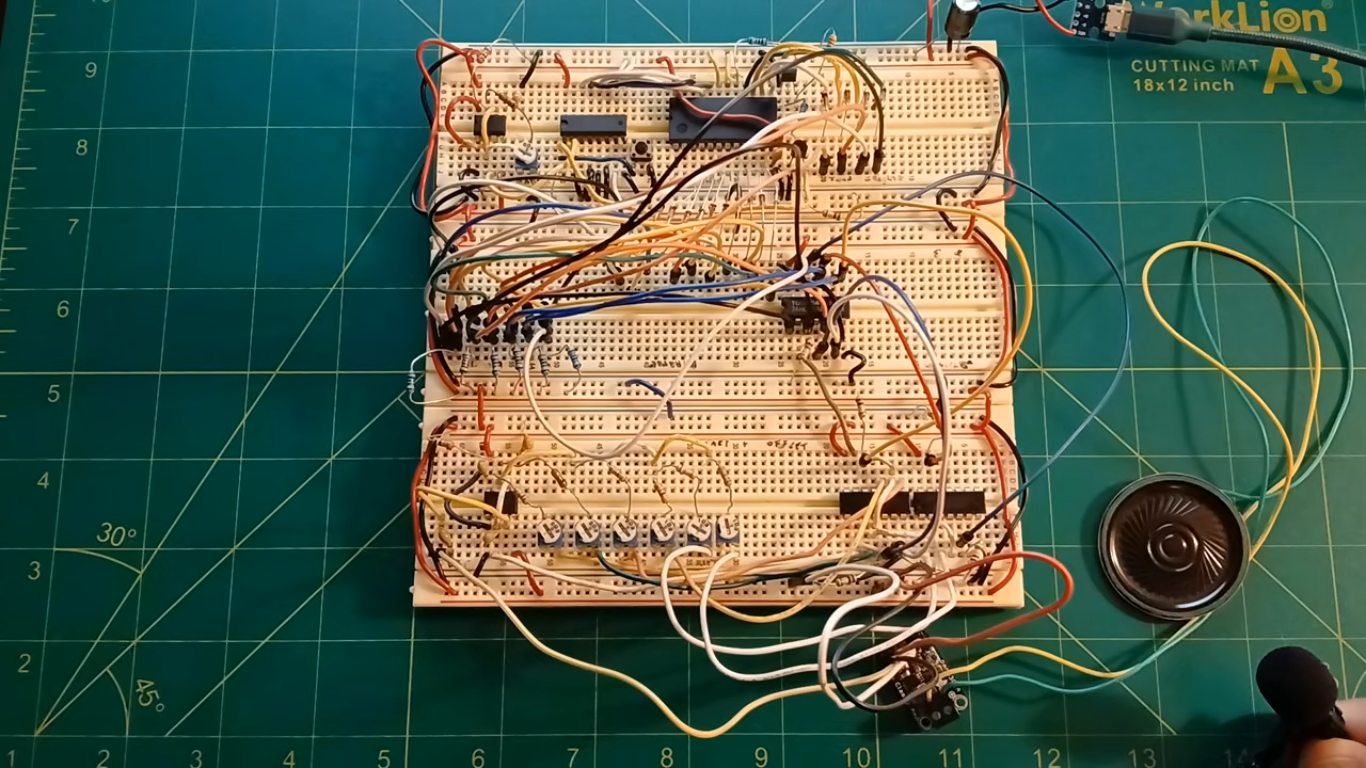
A circuit consisting solely of 555 timer chips has reproduced the opening music from the 1993 video game DOOM. The project, documented by engineer Nick, demonstrates how early computer game audio can be synthesized through discrete analog components.
The circuit employs a series of 555 timers to generate the chiptune rendition. A primary 555 timer functions as a system clock at approximately 7 Hz, sending pulses to a binary counter. This counter advances through 15 discrete states, each corresponding to a moment in the musical sequence.
A diode matrix then maps each of these 15 states to one of six predetermined pitches required for the melody. The selected pitch signal is routed through a set of switches that configure resistor networks for a second 555 timer, which modulates its output frequency to produce the desired musical notes. By adjusting resistance values, the circuit generates the six distinct tones needed to replicate the game’s opening track.
Project creator Nick has not disclosed a specific reason for the build beyond demonstrating feasibility. The approach is purely analog, relying on fundamental digital logic principles rather than modern microcontroller-based methods. While the result is technically a functional reproduction, it is not a practical alternative to contemporary sound synthesis techniques.
The project’s primary value appears educational, offering insight into the underlying mechanics of digital sound generation and the behavior of basic logic circuits. Such exercises can deepen understanding of how early digital systems operated at the hardware level. The same principles could be explored further by constructing logic gates from individual transistors, pushing the reductionist approach even further.
As with many hobbyist projects, the effort highlights the contrast between historical methods and modern capabilities. Contemporary microcontrollers could achieve the same result with minimal code and fewer components, but the exercise serves as a hands-on demonstration of how fundamental electronic building blocks interact. The final audio output, while distorted and rudimentary, confirms that even complex digital audio can be approximated through analog means.
Comments (0)
No comments yet — be the first to weigh in.

Energy biz SSE smacked around in court by a guy and AI
An Oxford doctoral student has defeated British energy provider SSE Energy Supply in court after utilizing artificial intelligence models to build his legal def...
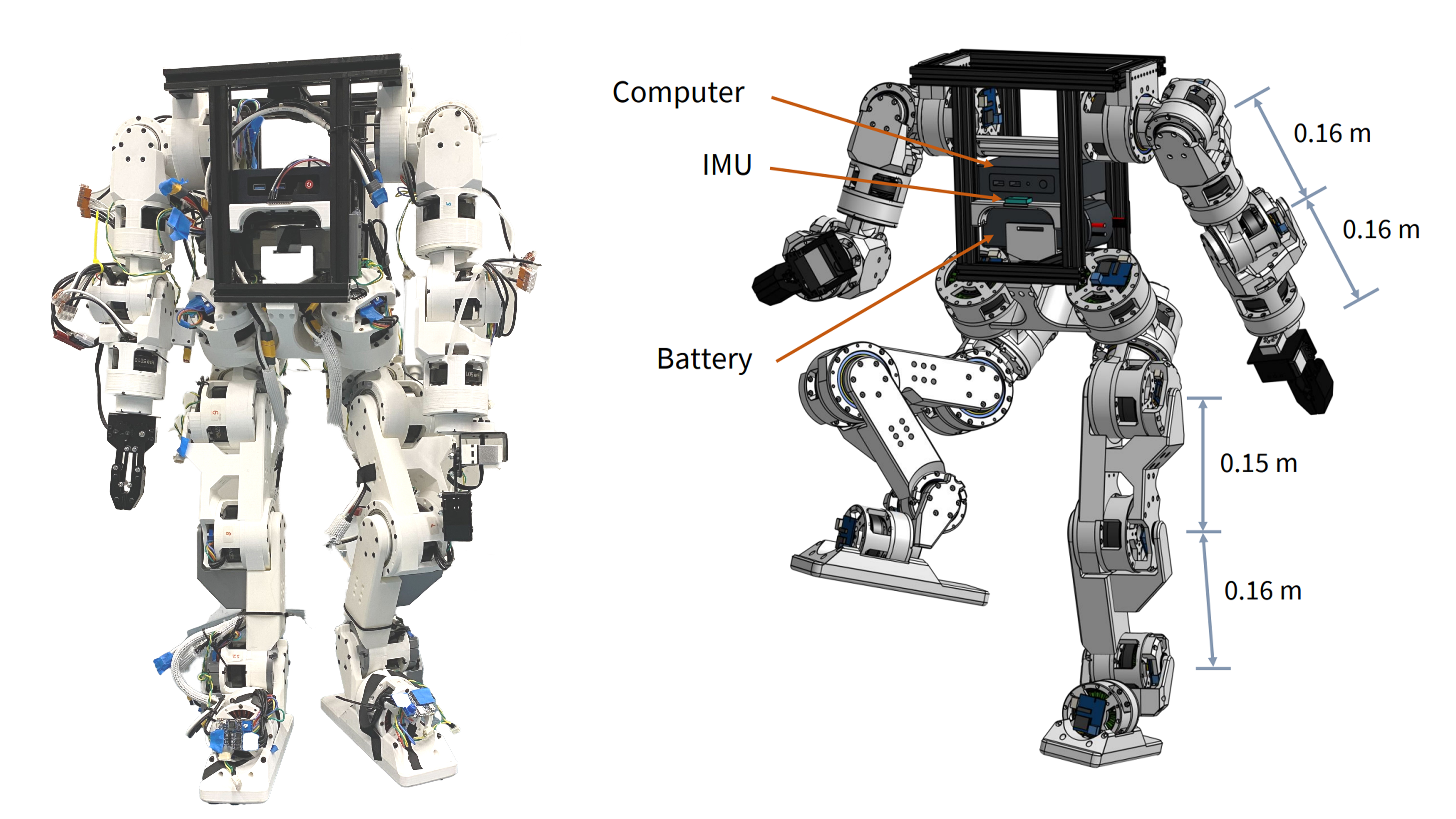
Berkeley Humanoid Lite: Affordable Open-Source Robot with DIY Actuators
Explore the Berkeley Humanoid Lite, a budget-friendly open-source robot featuring 3D-printed actuators under $5,000 USD. Learn how its modular design benefits DIY projects.

Woodstove Safety Monitor: Oru System Alerts Users to Temperature Fluctuations
Discover how the Oru woodstove assistant helps prevent dangerous chimney fires by monitoring exhaust gas temperatures and alerting users to temperature changes.
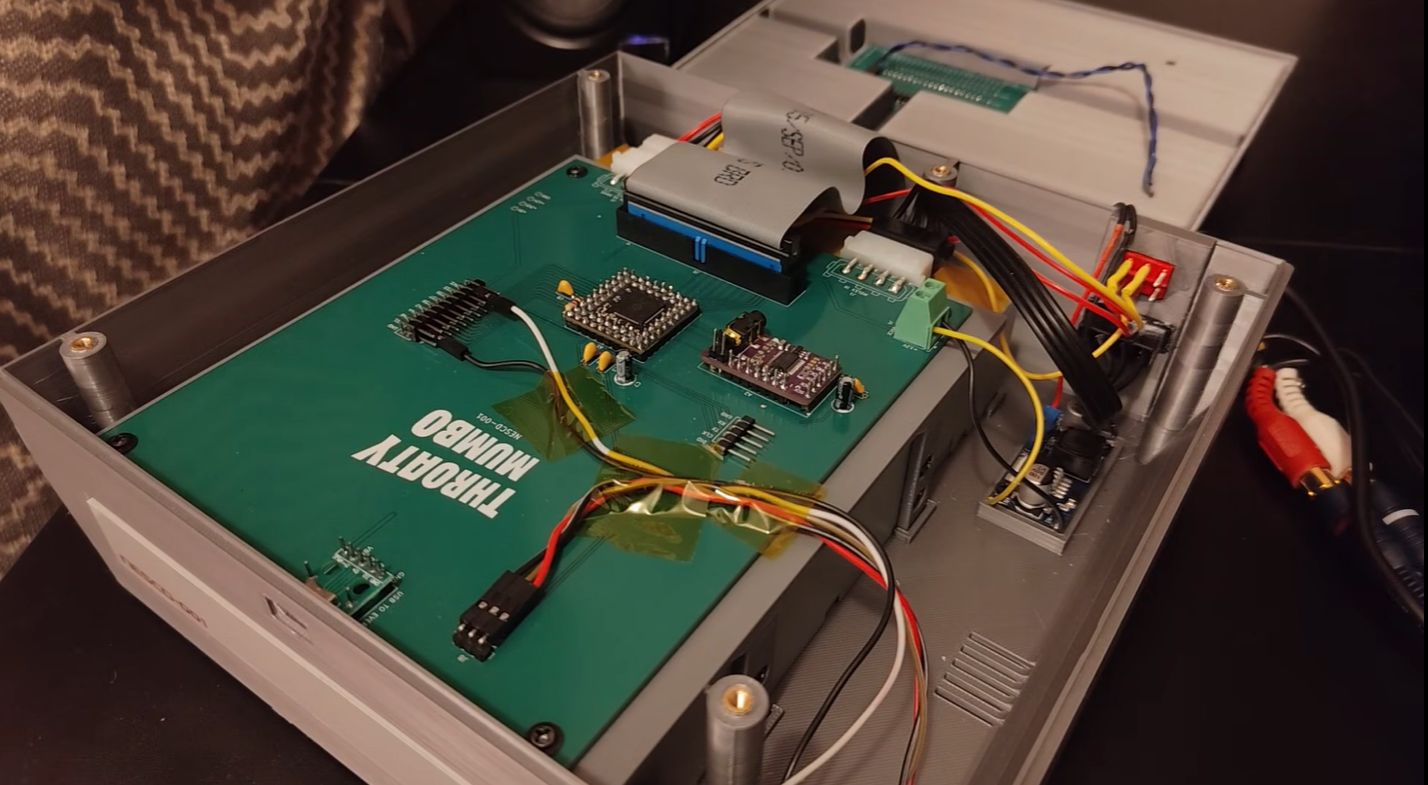
NES CD Add-On Revives 1980s Gaming with Optical Storage
Explore how a DIY project integrates a CD drive with the NES using an RP2350B microcontroller and Everdrive N8 Pro for expanded storage and audio playback.

Mumbai’s Vile Parle Cypher is giving unheard rappers a voice

Enrich and Ultimo impress

Karnataka CM Signals Review of 5% Park Land Amendment Bill in Assembly

