Economic Update: Still No Golden Age In Sight, Part 1

The U.S. economy continues to show mixed signals, with key indicators suggesting that the much-touted "golden age" of growth remains elusive. Fresh data from the Bureau of Labor Statistics (BLS) for July reinforces concerns that the post-pandemic recovery has not delivered the sustained prosperity many had anticipated. Among the latest metrics, the 16% trimmed mean Consumer Price Index (CPI) is still climbing at nearly a 3% year-over-year pace, deflating hopes for rapid disinflation. Additionally, the labor market’s strength appears uneven, with hours worked in the goods-producing sector—including manufacturing, mining, and construction—remaining stagnant, signaling potential softness beneath the surface.
The latest BLS jobs report for July did show some job gains, particularly in service sectors such as leisure and hospitality. However, analysts point out that these gains may not fully offset weaknesses in higher-paying industries. The goods-producing sector, often a bellwether for broader economic health, has yet to rebound meaningfully. This divergence raises questions about the durability of the recovery, especially as inflation remains stubbornly above the Federal Reserve’s 2% target.
Economists at the Bureau of Labor Statistics and private forecasting firms continue to monitor these trends closely. The trimmed mean CPI, which excludes extreme price movements to provide a clearer picture of underlying inflation, remains a critical measure for policymakers. With inflation still running hot, the Federal Reserve faces a delicate balancing act: maintaining economic growth while ensuring price stability.
The stagnation in goods-producing sector hours worked is particularly noteworthy. This category includes durable goods like automobiles and appliances, as well as non-durable goods such as food and textiles. When hours worked decline or stagnate, it often reflects reduced production schedules, which can ripple through supply chains and impact overall economic output. The latest data suggests businesses in these sectors are cautious, potentially holding back on hiring or expansion amid uncertainty over consumer demand and borrowing costs.
Despite these challenges, some sectors remain resilient. The service industry, which includes restaurants, retail, and tourism, has shown stronger job growth in recent months. However, economists caution that service-sector gains alone may not be enough to drive a broad-based recovery, especially if goods-producing sectors continue to lag.
Federal Reserve officials have indicated that they are closely watching labor market trends and inflation pressures as they consider future interest rate decisions. With inflation still elevated and key sectors showing uneven growth, the path to a sustainable economic expansion remains uncertain.
#InflationTrends #LaborMarket #BLSReport #FederalReserve #EconomicRecovery #GoodsProducingSector #CPIData
Comments (0)
No comments yet — be the first to weigh in.

Free School Uniform Swap Shop Saves Welsh Families £50m Annually
A Cardiff father's school uniform swap shop initiative has grown to 200 schools, helping Welsh families save £50m yearly while promoting sustainability and reducing clothing waste.

Poland, US Explore Permanent Military Bases: Defense Talks Underway
Poland and the US are discussing permanent American military bases in Poland, focusing on defense capabilities rather than troop numbers. Nuclear warheads are not part of the plans.

Taxpayers Lost $65B to Obamacare Fraud in 2024; Feds Crack Down
A Paragon Health Institute report reveals $65 billion in taxpayer losses due to Obamacare and Medicaid fraud in 2024, with improper enrollments rising in 2025.
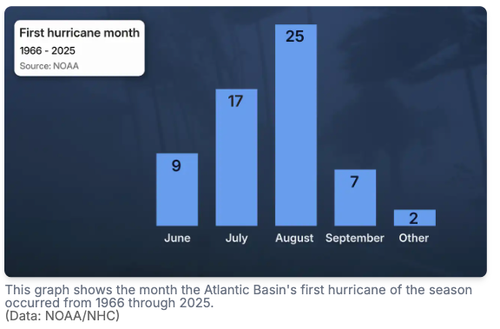
El Niño Delaying 2026 Atlantic Hurricane Season as Dolly Nears Florida
El Niño's wind shear suppresses 2026 Atlantic hurricane activity, delaying first hurricane as Tropical Storm Dolly's remnants approach Florida and the Caribbean.

Mumbai’s Vile Parle Cypher is giving unheard rappers a voice

Enrich and Ultimo impress

Karnataka CM Signals Review of 5% Park Land Amendment Bill in Assembly

