ESP32-Powered Headless Game Boy Emulator Streams via WiFi
Discover how an ESP32 microcontroller emulates a Game Boy, streaming video and audio over WiFi for browser-based gameplay without additional hardware.
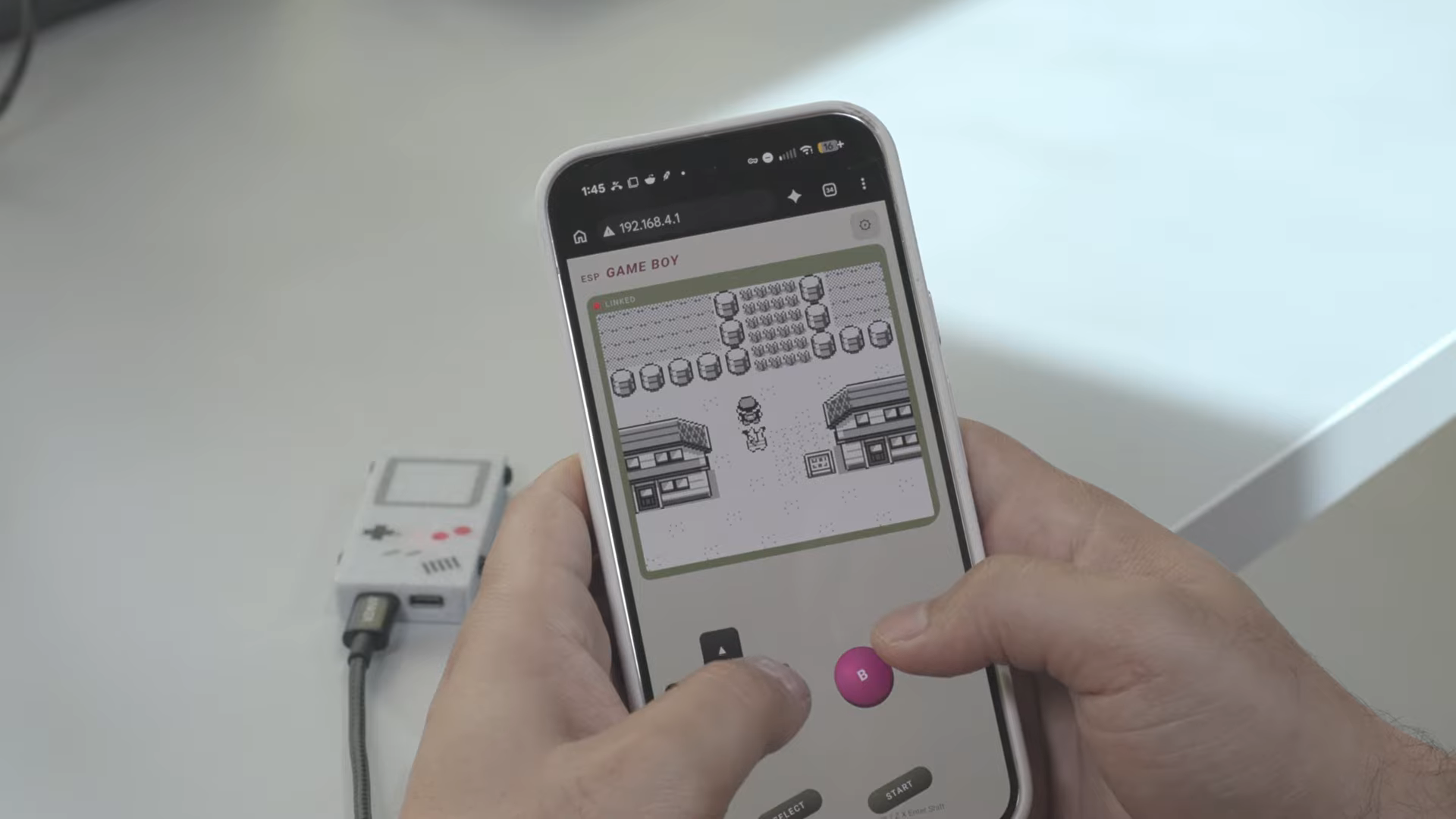
A unique Game Boy emulator built on an ESP32 microcontroller has been developed by [Artificial-Age], offering a browser-based interface for streaming gameplay without a direct screen or physical controls.
The project utilizes an ESP32-S3, a chip capable of handling the Game Boy’s modest 8-bit architecture and 4 MHz processing speed. Unlike traditional emulators that run on computers or phones, this version operates headlessly—meaning it lacks a built-in display or buttons. Instead, users connect to the device via a self-hosted WiFi access point and interact with the emulator through a web browser. The interface streams video and audio from the emulated Game Boy while accepting input from either a keyboard or touchscreen, depending on the user’s device.
ROM files are stored directly on the ESP32’s internal flash storage and can be uploaded through the web interface, eliminating the need for external storage. This approach sets the project apart from conventional emulators, which typically require software installation or preloaded game files.
While modern smartphones can easily emulate the Game Boy, this setup offers a distinct advantage in accessibility. Users can simply connect to the ESP32’s WiFi network and access the emulator without downloading additional software, making it a convenient option for quick, shareable gameplay. The project also aligns with a broader trend of creative emulation solutions, including other notable retro computing projects featured in recent coverage.
The ESP32-based emulator demonstrates how compact, low-power hardware can be repurposed for retro gaming through innovative software design. By leveraging WiFi and web technologies, [Artificial-Age] has created a portable, no-frills gaming solution that prioritizes ease of use over traditional hardware dependencies.
Though not as performant as high-end emulation platforms, the project highlights the versatility of the ESP32 platform and offers a novel way to experience classic Game Boy titles. The absence of a physical interface underscores a shift toward cloud-like accessibility in personal computing projects, where software and networking take precedence over dedicated hardware.
Comments (0)
No comments yet — be the first to weigh in.

Energy biz SSE smacked around in court by a guy and AI
An Oxford doctoral student has defeated British energy provider SSE Energy Supply in court after utilizing artificial intelligence models to build his legal def...
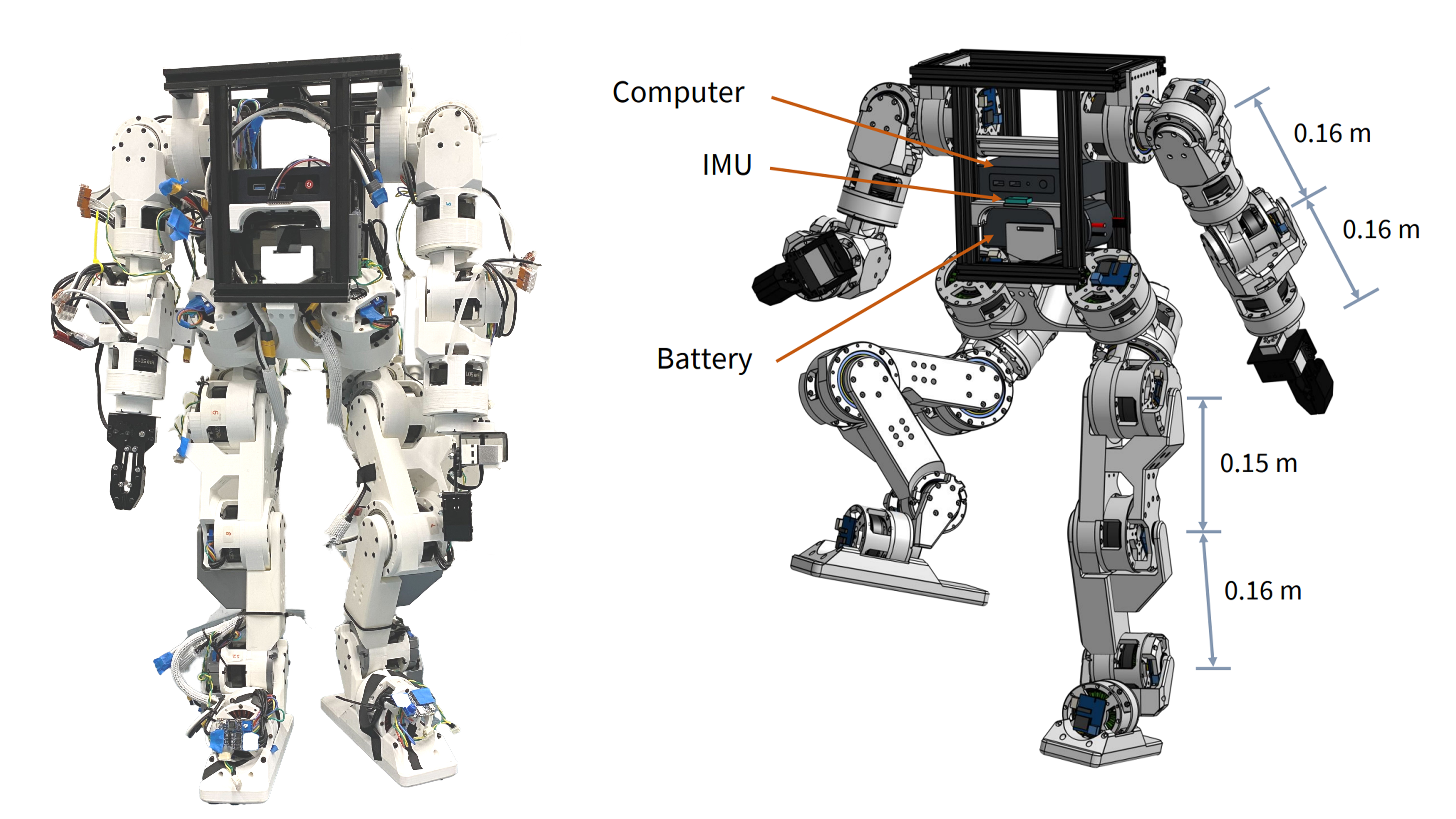
Berkeley Humanoid Lite: Affordable Open-Source Robot with DIY Actuators
Explore the Berkeley Humanoid Lite, a budget-friendly open-source robot featuring 3D-printed actuators under $5,000 USD. Learn how its modular design benefits DIY projects.

Woodstove Safety Monitor: Oru System Alerts Users to Temperature Fluctuations
Discover how the Oru woodstove assistant helps prevent dangerous chimney fires by monitoring exhaust gas temperatures and alerting users to temperature changes.
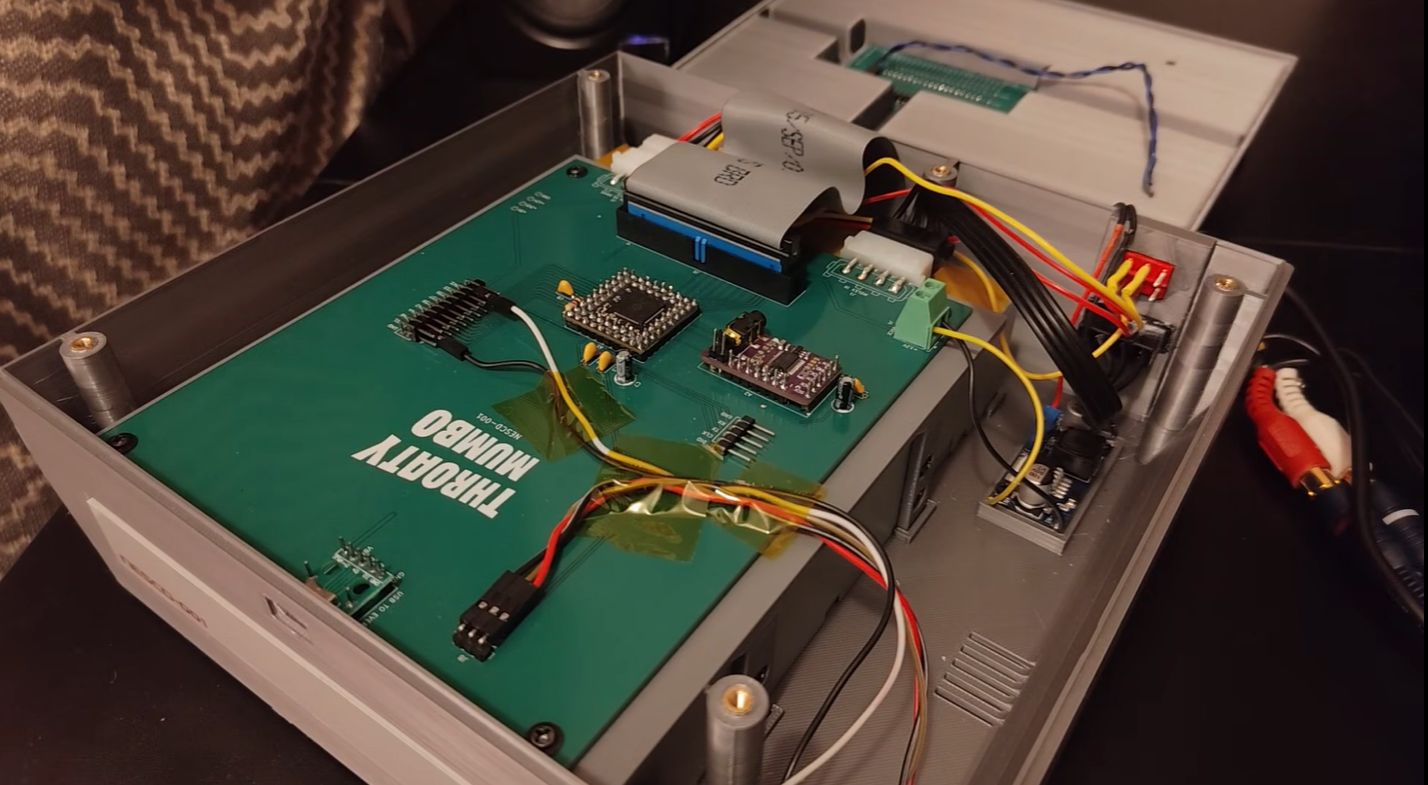
NES CD Add-On Revives 1980s Gaming with Optical Storage
Explore how a DIY project integrates a CD drive with the NES using an RP2350B microcontroller and Everdrive N8 Pro for expanded storage and audio playback.

Mumbai’s Vile Parle Cypher is giving unheard rappers a voice

Enrich and Ultimo impress

Karnataka CM Signals Review of 5% Park Land Amendment Bill in Assembly

