EU Carbon Border Tax Sparks Debate on Green Protectionism vs Global Climate Goals
The EU's carbon border tax aims to cut emissions but risks penalizing developing nations least responsible for climate change. Critics call it green protectionism that may undermine global transition efforts.
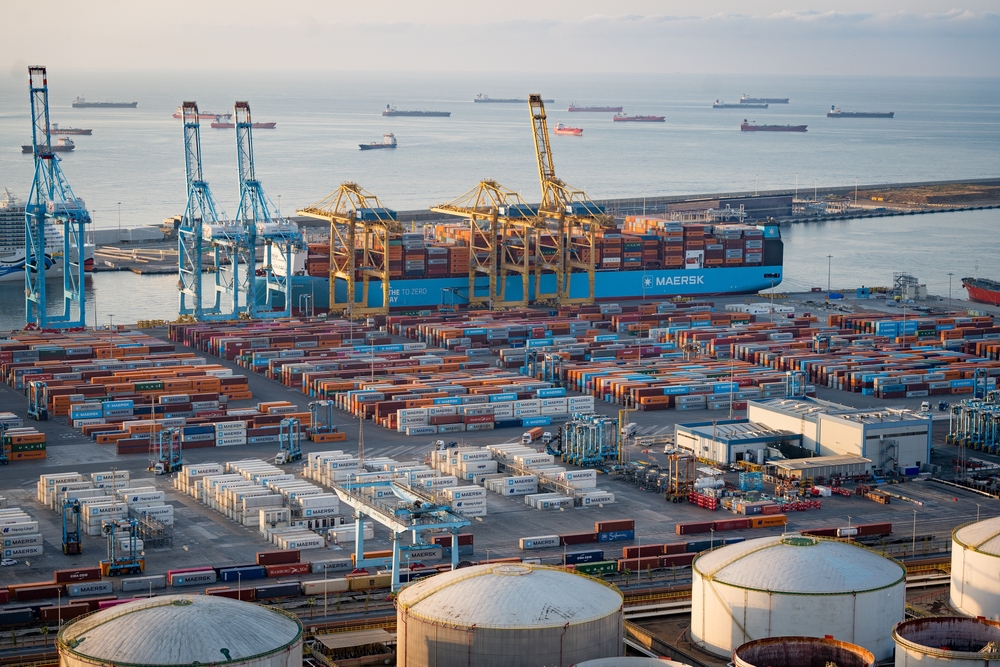
The European Union’s new Carbon Border Adjustment Mechanism (CBAM) took effect this year, imposing tariffs on imported goods from carbon-intensive industries to align with the bloc’s climate policies. While proponents argue it combats carbon leakage and protects EU industry, critics warn the policy disproportionately harms developing nations, raising concerns about climate justice and global trade fairness.
CBAM, which began its reporting phase in 2023 and will fully enforce carbon tariffs in 2026, applies to imports of cement, aluminum, fertilizers, iron, steel, hydrogen, and electricity. It mirrors the EU’s Emissions Trading System (EU ETS), requiring importers to purchase certificates priced at the EU carbon market rate. The policy aims to prevent carbon leakage—the shifting of high-emission production to countries with weaker environmental regulations—while maintaining EU industrial competitiveness.
However, CBAM’s structure has drawn criticism for its potential economic impact on developing countries, many of which contribute minimally to global emissions yet face steep costs in transitioning to low-carbon production. Unlike wealthier nations, poorer countries often lack the financial and technological resources to adopt cleaner industrial methods. The policy also penalizes smaller firms that struggle with emissions reporting and compliance, further widening economic disparities.
The EU’s approach has faced legal challenges, with opponents arguing that CBAM violates World Trade Organization (WTO) rules against discriminatory trade practices. The UN Framework Convention on Climate Change (UNFCCC) has also raised concerns, noting that unilateral measures like CBAM risk undermining international climate cooperation.
Developed nations’ failure to fulfill past climate finance commitments exacerbates these concerns. Under the 2009 Copenhagen Accord, wealthy countries pledged $100 billion annually to support developing nations in climate adaptation and mitigation. However, much of this funding has come in the form of loans rather than grants, increasing debt burdens in the Global South. The EU, including countries like France, Austria, and Spain, has been criticized for relying heavily on loans, which critics say could trap vulnerable nations in cycles of debt while hindering long-term green transitions.
The EU’s policy also reflects a broader trend of "green protectionism," where climate goals are pursued through trade barriers rather than equitable global cooperation. The U.S. has taken notice, with bipartisan support for carbon border adjustments, framed as both a climate and geopolitical tool. The Inflation Reduction Act (IRA) similarly prioritized domestic green industries, drawing accusations of economic nationalism disguised as climate action. Critics argue that such policies, while advancing domestic interests, undermine international climate solidarity.
As CBAM sets a precedent for global carbon border taxes, its implementation will be closely watched. While it seeks to align trade with climate objectives, its potential to deepen global inequalities raises critical questions about the balance between environmental protection and economic justice.
Comments (0)
No comments yet — be the first to weigh in.

Iran-US Tensions Escalate Amid Hormuz Strait Crisis – Live Updates
Iranian President Pezeshkian seeks diplomatic solutions with global leaders at SCO summit in Kyrgyzstan amid rising US tensions over Hormuz Strait.

Search continues for 18 passengers after ferry capsized in northern Cyprus
Search and rescue operations are continuing off the coast of Kyrenia in northern Cyprus after a passenger ferry capsized and sank on Sunday, leaving at least ei...

Swiss Man Arrested After Deadly Rave Shooting Kills Italian Woman
A 43-year-old Swiss suspect has been arrested after a shooting at a techno rave in Aarau left one woman dead and several others injured. Authorities continue their investigation.

England attack's 2005 comparisons fair - Trescothick
England’s new pace attack is drawing comparisons to the legendary Ashes-winning quartet of 2005, according to interim head coach Marcus Trescothick. The current...

Mumbai’s Vile Parle Cypher is giving unheard rappers a voice

Enrich and Ultimo impress

Karnataka CM Signals Review of 5% Park Land Amendment Bill in Assembly

