European Court: Apple Can Not Shirk Off its Interoperability Requirements

The General Court of the European Union has ruled against Apple in its legal challenges to the European Commission’s Digital Markets Act (DMA), affirming the company’s obligations under the landmark legislation. The decision, issued on July 8, requires Apple to comply with interoperability requirements intended to foster fair competition in digital markets. The ruling represents a significant win for developers, users, and advocates of open digital ecosystems across Europe.
The DMA designates Apple as one of seven “gatekeepers”—alongside Alphabet, Amazon, Booking, ByteDance, Meta, and Microsoft—based on its dominant position in core platform services such as the App Store. Apple had sought to avoid these obligations, arguing that interoperability requirements could undermine security and violate its property rights under the EU Charter of Fundamental Rights. However, the court rejected these claims, upholding the Commission’s authority to enforce interoperability as a means of restoring competitive balance.
A key outcome of the ruling is the affirmation that Apple must allow developers greater freedom to distribute apps outside its tightly controlled App Store ecosystem. Users in the EU will gain more choice in how they access software, including applications that Apple may prefer to restrict. Researchers studying Apple’s operating systems—iOS, iPadOS, and watchOS—will also face fewer barriers to investigation, potentially leading to greater transparency and innovation.
Apple contended that the App Store does not qualify as a “core platform service” under the DMA because it operates across multiple operating systems. The court dismissed this argument, finding that each App Store serves the same central purpose: connecting business users with end users. Similarly, Apple’s attempt to exclude iMessage from classification as a number-independent interpersonal communication service (NIICS) was rejected, though this designation alone does not currently trigger additional DMA obligations for Apple.
While Apple has emphasized the importance of its security model, the court’s decision suggests that interoperability and security are not inherently incompatible. The ruling underscores that proactive, security-by-design approaches can accommodate both openness and protection, though implementation may require significant adjustments.
The case reflects broader efforts by European regulators to curb anti-competitive practices in digital markets. By affirming the DMA’s interoperability requirements, the General Court has reinforced the EU’s commitment to a fairer, more open digital economy. The decision may also serve as a model for other jurisdictions considering similar regulatory frameworks.
#Apple #DMA #EuropeanUnion #DigitalMarketsAct #Interoperability #Gatekeeper #AppStore #Competition
Comments (0)
No comments yet — be the first to weigh in.

Energy biz SSE smacked around in court by a guy and AI
An Oxford doctoral student has defeated British energy provider SSE Energy Supply in court after utilizing artificial intelligence models to build his legal def...
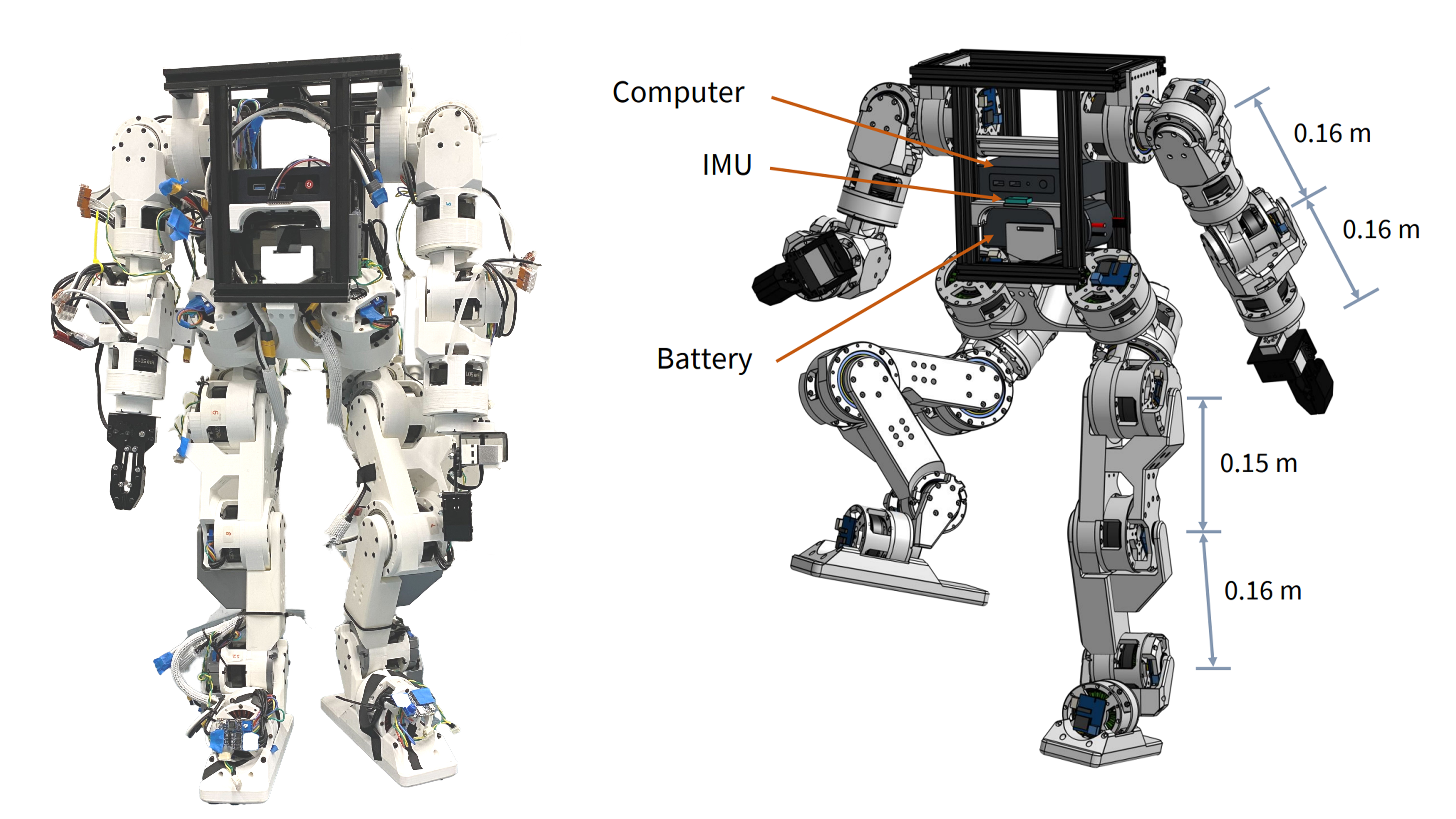
Berkeley Humanoid Lite: Affordable Open-Source Robot with DIY Actuators
Explore the Berkeley Humanoid Lite, a budget-friendly open-source robot featuring 3D-printed actuators under $5,000 USD. Learn how its modular design benefits DIY projects.

Woodstove Safety Monitor: Oru System Alerts Users to Temperature Fluctuations
Discover how the Oru woodstove assistant helps prevent dangerous chimney fires by monitoring exhaust gas temperatures and alerting users to temperature changes.

NES CD Add-On Revives 1980s Gaming with Optical Storage
Explore how a DIY project integrates a CD drive with the NES using an RP2350B microcontroller and Everdrive N8 Pro for expanded storage and audio playback.

Mumbai’s Vile Parle Cypher is giving unheard rappers a voice

Enrich and Ultimo impress

Karnataka CM Signals Review of 5% Park Land Amendment Bill in Assembly

