Gen X Rejects Family Heirlooms as Younger Generations Embrace Vintage
Middle-aged heirs are increasingly discarding family heirlooms, citing impracticality and lifestyle shifts. Younger generations, while valuing vintage goods, often bypass inherited items, preferring objects tied to broader cultural trends.
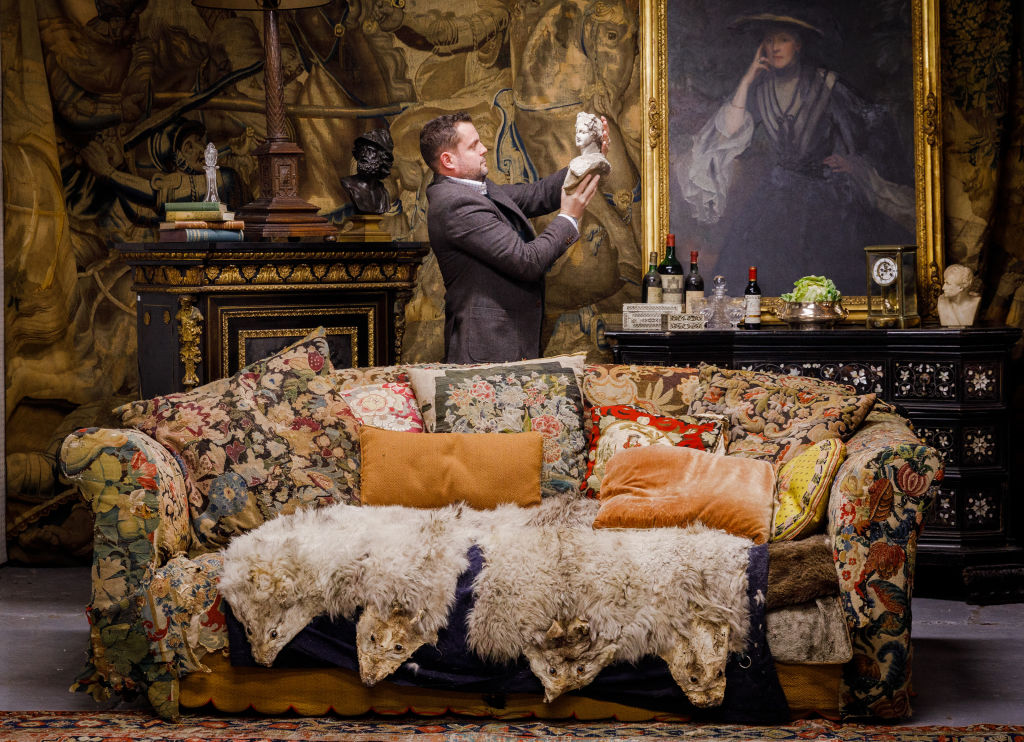
The tradition of passing down family heirlooms across generations is facing a decline as middle-aged individuals increasingly reject inherited possessions, according to industry observers.
Auctioneers and estate liquidators report a growing trend among Generation X adults who are unwilling to keep or store their parents' prized items, often opting to sell them or dispose of them rather than preserve family legacies. "The children have no room for the oak furniture, they don't want the silver card cases, and we have to explain it will be sold for whatever we can get," one auctioneer recently told *The Times*.
This shift coincides with a reported enthusiasm among younger generations for vintage and second-hand goods, with many seeking out pre-loved furniture and decor for personal use. However, rather than reclaiming family items directly from their grandparents, younger adults appear inclined to acquire similar objects from external sources, suggesting a broader reluctance to embrace familial aesthetic traditions.
The tension over inheritance extends beyond mere practicality. For many who inherit such items, the decision to keep or discard often hinges on emotional and practical considerations. The author of this piece, for instance, recounted turning down a large tapestry passed down through generations, describing it as an object of dramatic and unsettling craftsmanship. Instead, they chose to retain smaller, less imposing items with personal significance, such as a sewing box, silver napkin ring, and a Huntley and Palmers biscuit tin bearing a handwritten note: "Handle with Care. Not wanted on Voyage."
As the author anticipates future inheritance decisions, they highlight the growing disconnect between modern lifestyles and the material culture of previous generations. Many items, such as brown furniture, cake stands, and traditional silverware, no longer align with contemporary domestic practices. Working mothers, for example, may have little use for ornate serving pieces designed for mid-century social rituals. Similarly, cultural shifts—such as the decline of church christenings and pen-and-paper correspondence—render some heirlooms functionally obsolete.
Looking ahead, the challenge of what to preserve may only intensify as physical objects give way to digital alternatives. E-books, cloud-stored photos, and streaming services reduce reliance on tangible artifacts, leaving fewer material traces for future generations. The author notes that in surveys about which single item people would save in a fire, laptops and phones consistently rank highest—not for sentimental value, but as gateways to essential digital information.
Philosopher Byung-Chul Han argues in *Non-things* that digital culture fosters a disembodied relationship with the world, where information is endlessly accessible yet disconnected from physical presence. Unlike digital content, real objects impose constraints that demand engagement and patience. They persist through time, offering stability in an era of rapid change.
Family heirlooms play a unique role in this context, serving as anchors in personal narratives. They carry memories not just of the object itself, but of the lives and hands that preceded their current owner. Philosopher Carolyn Korsmeyer describes this as the "transitivity of touch"—a tactile connection that binds individuals to their past and to others across time. Such items provide psychological continuity amid life’s transitions, reinforcing a sense of identity rooted in shared history.
Ultimately, the choice to preserve or discard family possessions reflects deeper questions about identity and belonging. While vintage goods may appeal to younger generations for their aesthetic or environmental value, true heirlooms carry the weight of lineage. They remind us that we are not isolated beings but part of an ongoing story, woven through time by the objects and relationships we inherit—and sometimes choose to pass on.
Comments (0)
No comments yet — be the first to weigh in.

Middlesbrough's Crime Crisis: Decades of Failed Policies Unleash Chaos
Former Middlesbrough mayor Andy Preston blames decades of lenient crime policies for the town's recent surge in gang violence and lawlessness.

Google Maps Renames Lake Ontario to 'Lake America' Following Trump Order
Google Maps now displays 'Lake America' in the US, replacing 'Lake Ontario' after Trump's executive order amid trade tensions with Canada. Canadians still see the original name.

Pentagon Warns Pentagon Chiefs: Iran War Unsustainable, Threatens U.S. Readiness
Classified assessment reveals Pentagon chiefs warn Defense Secretary Pete Hegseth that the Iran war is unsustainable and drains U.S. military resources and readiness.

Mike Rogers Proposes $50 Copays for Routine Health Screenings, Critics Warn of Risks
Former Congressman Mike Rogers suggests $50 copays for routine screenings, sparking debate over healthcare costs and access. Critics highlight potential risks.

Mumbai’s Vile Parle Cypher is giving unheard rappers a voice

Enrich and Ultimo impress

Karnataka CM Signals Review of 5% Park Land Amendment Bill in Assembly

