Grace Coleman's DUI Tragedy: Prison, Recovery, and Path to Redemption
Grace Coleman, imprisoned for a 2020 DUI crash killing two, navigates rehabilitation, self-reflection, and trauma in California's evolving prison system.
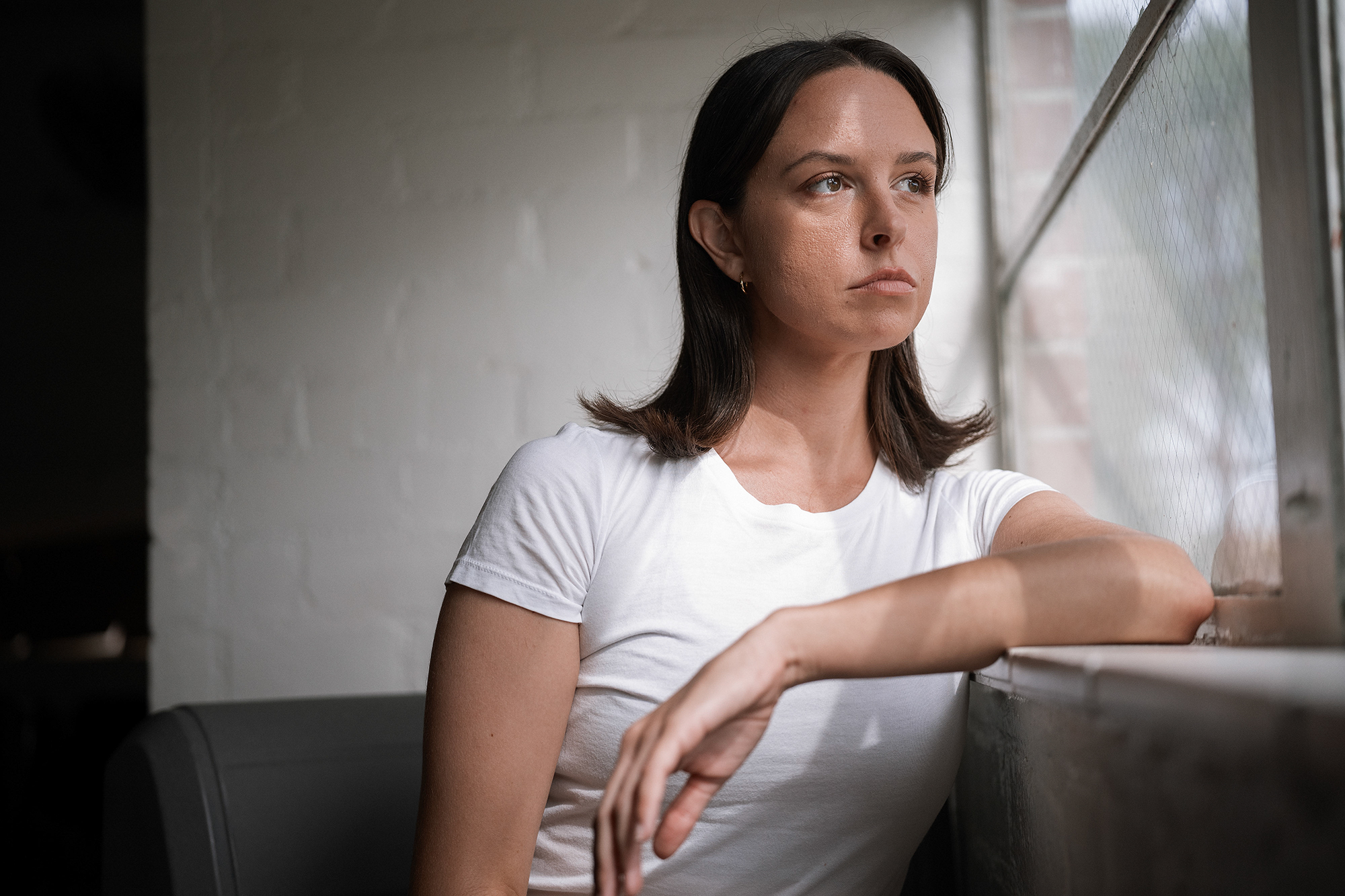
Grace Coleman, 24, reflects daily on the Dec. 8, 2020, crash that killed Gabriela Andrade, 38, and Henry Saldana-Mejia, 36, after she ran a red light while driving under the influence. Three young daughters in the family’s car survived with injuries. Coleman now serves a 21-years-to-life sentence in state prison, a period she is using to address the causes of her addiction and rebuild her life through sobriety, therapy, and faith.
“It’s not just the fact that I wake up in prison that reminds me of the harm I caused,” Coleman said. “It’s the way I choose to live now. Being in Alcoholics Anonymous, participating in DUI programs, and sharing my story in those spaces are what keep me sober.”
Coleman’s case highlights the broader issue of alcohol-related traffic fatalities in California, where more than 1,300 such deaths occur annually. Prosecution of DUI homicides varies, as murder statutes do not specifically categorize these cases, leaving many offenders to grapple with accountability outside the legal system.
Since her arrest, Coleman has engaged in extensive self-examination. While held in Orange County Jail awaiting trial, she met with family members of Andrade and Saldana-Mejia, a rare and facilitated opportunity before conviction. “As a daughter, I knew that feeling—that my parents were everything to me,” she said. “I couldn’t stand the fact that I had taken away the two most important people in a child’s life.”
In 2022, Coleman pleaded guilty to two counts of murder and accepted her sentence. She described the meeting with victims’ families as a turning point that shattered denial and shifted her focus from self-preservation to accountability.
Jeff Roberts, who represented the victims’ family in a civil lawsuit, recalled Coleman as someone with a complex background despite outward appearances of privilege. “She had a bit of a broken situation,” Roberts said. While he believes she deserved significant time, he questions whether a life sentence is necessary, noting that the emotional weight of her actions will stay with her permanently.
Coleman’s journey toward self-awareness began in the hospital, where she awoke handcuffed to a bed, unaware of the crash or the lives she had taken. Confined during COVID-19 lockdowns, she slowly pieced together the facts: after a day of drinking and drug use in a toxic relationship, she blacked out and drove her Range Rover through the intersection.
In jail, she began weekly therapy with a private provider, an experience she called an “identity crisis.” She traced her substance use to deep-seated self-worth issues, codependency, and a lifelong habit of people-pleasing. “The crime would have never happened without deep levels of alcoholism,” she said.
Despite concerns about how her privilege would be received in jail, Coleman found connection through faith, community, and routine. She organized worship and recovery groups, practiced yoga and meditation in cramped spaces, and shared meals with other incarcerated women. Visits from friends who remembered her as a “party girl” surprised them with how healthy and clear-minded she had become.
“That version of me was something I had to let go of,” she said. “I’m still figuring myself out—one day at a time.”
Comments (0)
No comments yet — be the first to weigh in.

Middlesbrough's Crime Crisis: Decades of Failed Policies Unleash Chaos
Former Middlesbrough mayor Andy Preston blames decades of lenient crime policies for the town's recent surge in gang violence and lawlessness.

Google Maps Renames Lake Ontario to 'Lake America' Following Trump Order
Google Maps now displays 'Lake America' in the US, replacing 'Lake Ontario' after Trump's executive order amid trade tensions with Canada. Canadians still see the original name.

Pentagon Warns Pentagon Chiefs: Iran War Unsustainable, Threatens U.S. Readiness
Classified assessment reveals Pentagon chiefs warn Defense Secretary Pete Hegseth that the Iran war is unsustainable and drains U.S. military resources and readiness.

Mike Rogers Proposes $50 Copays for Routine Health Screenings, Critics Warn of Risks
Former Congressman Mike Rogers suggests $50 copays for routine screenings, sparking debate over healthcare costs and access. Critics highlight potential risks.

Mumbai’s Vile Parle Cypher is giving unheard rappers a voice

Enrich and Ultimo impress

Karnataka CM Signals Review of 5% Park Land Amendment Bill in Assembly

