GST confusion halts ₹5,000 crore Isabgol trade in Unjha for over a month
Isabgol seed trading halted at Unjha APMC due to conflicting GST rulings between Gujarat and Rajasthan authorities, impacting a ₹5,000 crore industry.
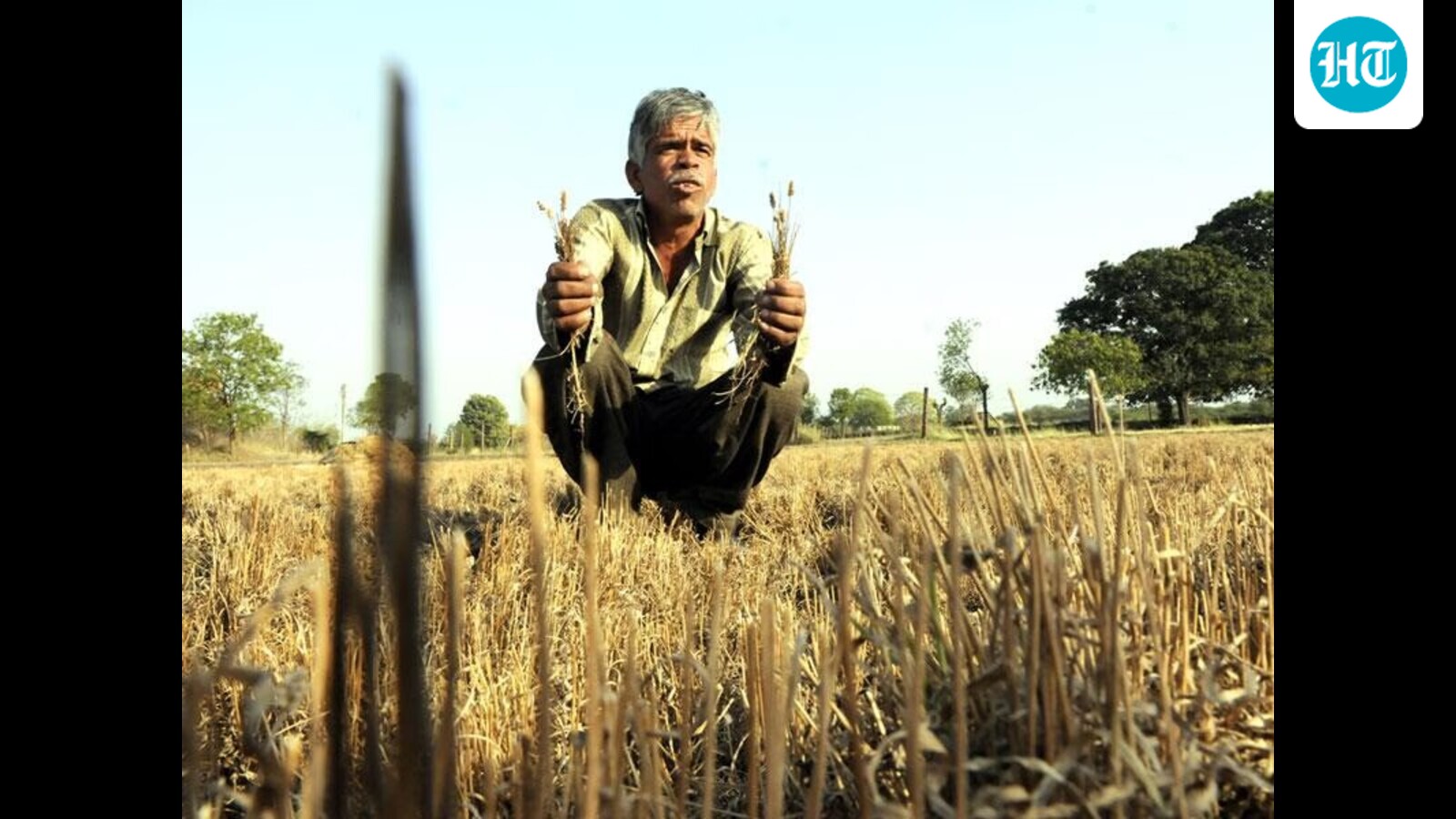
The trade of isabgol seeds has stopped at Unjha Agricultural Produce Market Committee (APMC) in Gujarat, the country’s largest spice market, after conflicting Goods and Services Tax (GST) rulings left traders unsure how to bill isabgol coming from Rajasthan. The halt, which has lasted more than a month, has cost the industry an estimated ₹5,000 crore and disrupted the annual movement of about 30‑35 lakh bags of isabgol.
Unjha traders, including veteran farmer Jayanti Patel who has worked at the market since 1975, say they are stuck in a “billing limbo.” “We don’t know whether to bill as fresh seeds or dried seeds,” Patel told reporters. “We have talked with the Gujarat, Rajasthan and central governments, but nothing concrete has been decided.” The core question is whether isabgol seeds bought through APMC auctions are fresh, which would attract Nil GST, or dried, which would carry a 5% GST rate.
On May 29, 2026, the Gujarat Authority for Advance Ruling (AAR) ruled that isabgol seeds in their natural, unprocessed state are fresh and should be taxed at Nil GST. The case was filed by Unjha trader Jigneshkumar Narayandas Patel, who operates under the name Akshar Traders. The ruling gave traders a clear tax position and trading resumed at Unjha in July.
However, the Rajasthan AAR issued contradictory decisions. In a July 27 ruling in the Surendra Bucha case, the authority again classified the seeds as fresh and Nil GST. Two days later, on July 29, four separate rulings declared that isabgol seeds stored in dry, ventilated conditions were dried and should be taxed at 5%. These conflicting orders have re‑ignited uncertainty for traders dealing with Rajasthan consignments, which form a large portion of the market’s supply.
Ashwin Nayak, president of the Isabgol Processors Association, highlighted the scale of the problem. “We trade about 30‑35 lakh bags a year, involving 60,000 to 70,000 farmers and 8,000 to 10,000 workers in processing units,” Nayak said. “Rajasthan produces two million bags annually, roughly 70% of the national output, and about half of that reaches Unjha directly.” With 80 to 90 processing units in Unjha and 10 in Rajasthan, the industry is heavily dependent on a clear GST framework.
The industry’s reliance on exports—about 90% of processed isabgol goes to the United States and Europe—adds pressure. Exporters fear that paying GST now will lock up cash until refunds are processed, while tariff issues in the U.S. already strain margins. “We have orders six to twelve months ahead, so we need to procure the commodity. If we pay GST, the money stays blocked until we get a refund,” Nayak explained.
The Isabgol Processors Association has filed a fresh application with the Rajasthan AAR and expects a ruling within a month. Dinesh Patel, chairman of Unjha APMC, has also approached Gujarat agriculture minister Jitubhai Vaghani and is hoping the GST Council will intervene to establish a unified tax position. “We want the GST Council to take this issue up as an agenda item and provide a single clear stance for all states,” Nayak said.
Until a definitive ruling arrives, traders have decided to pause trading. The Gujarat additional chief secretary for finance, T Natarajan, declined to comment on the dispute. The industry’s future hinges on the GST Council’s next meeting and the resolution of the conflicting AAR decisions.
#Isabgol #UnjhaAPMC #Gujarat #Rajasthan #GST #ExportTrade #AgricultureTrade
Comments (0)
No comments yet — be the first to weigh in.

Mumbai’s Vile Parle Cypher is giving unheard rappers a voice
A new documentary streaming on YouTube sheds light on the Vile Parle Cypher, a grassroots hip-hop collective giving a platform to unheard street artists and gig...

Enrich and Ultimo impress
Racehorses Enrich and Ultimo Impress in Tuesday Morning Workouts at Bengaluru Turf Club BENGALURU, Sept 1 – Two rising stars in India’s horse racing circuit, En...

Karnataka CM Signals Review of 5% Park Land Amendment Bill in Assembly
Karnataka Chief Minister D.K. Shivakumar says the controversial 5% park land amendment bill can be re‑examined in the Assembly after protests over Lalbagh land use.

When an organisation deviates from its values, faith of those associated with its ideology is shattered: Kaushal Kishore
Former Union Minister and senior Bharatiya Janata Party (BJP) leader Kaushal Kishore suggested on September 1, 2026, that organizations risk losing public trust...
Mumbai’s Vile Parle Cypher is giving unheard rappers a voice
Enrich and Ultimo impress
Karnataka CM Signals Review of 5% Park Land Amendment Bill in Assembly
