Hands-On: Sonnet Echo 21 Thunderbolt 5 SuperDock – a significant speed boost [Video]
![Hands-On: Sonnet Echo 21 Thunderbolt 5 SuperDock – a significant speed boost [Video]](https://9to5mac.com/wp-content/uploads/sites/6/2026/07/Sonnet-Echo-21-Thunderbolt-5-SuperDock.jpg?quality=82&strip=all&resize=1200,628)
Sonnet’s Echo 21 Thunderbolt 5 SuperDock, the successor to the Echo 20 Thunderbolt 4 model, delivers a significant upgrade for Mac users who need expanded connectivity and faster data transfer. The new dock adds a full‑size DisplayPort, a 10 GbE network port, and higher power delivery while retaining the same form factor and layout that made the original popular. Reviewers report up to 80 Gbps of bidirectional bandwidth on the Thunderbolt 5 ports, compared with 40 Gbps on the earlier version, and the ability to deliver 140 W of power to a host computer.
The Echo 21 is designed to work with both laptops such as the 16‑inch MacBook Pro and the newly announced M5 Pro Mac mini. It plugs into the host via a single Thunderbolt cable and expands the machine’s I/O with eight front‑facing ports, a 15‑W USB‑C charging port, a full‑size DisplayPort, HDMI, and a microSD card reader. The dock also supports up to 8 TB of NVMe M.2 2280 SSD storage, with a 2‑TB SanDisk WD_Black SN850X rated at 3,300 MB/s when used with the Echo 21, a substantial improvement over the 800 MB/s ceiling of the Echo 20.
A key feature of the Echo 21 is the upgrade of all Thunderbolt ports from version 4 to version 5. Thunderbolt 5 offers twice the bandwidth of Thunderbolt 4 and includes Bandwidth Boost, which can reallocate downstream lanes to the upstream port for a maximum of 120 Gbps under certain conditions. This dynamic allocation allows the dock to drive high‑resolution, high‑refresh‑rate displays. The dock can output video via Thunderbolt/USB‑C, HDMI, or DisplayPort. HDMI supports up to 4K 60 Hz, while DisplayPort can reach 4K 144 Hz; Thunderbolt provides the widest range of resolutions and frame rates.
The new dock’s power delivery capability has also increased. Thunderbolt 5 requires a minimum of 140 W, so the Echo 21’s power adapter is rated at 20 V/12 A, up from the 20 V/7.5 A adapter that powered the Echo 20. This change allows the dock to fully charge power‑hungry machines such as the 16‑inch MacBook Pro.
Connectivity is further enhanced with a Marvell AQC113 chipset that delivers 10 GbE Ethernet, as well as 2.5 GbE and 5 GbE options for devices that support those speeds. The dock also includes a high‑resolution audio codec that supports lossless audio up to 24‑bit/192 kHz, and a 15‑W USB‑C port for charging smartphones, Apple Watches, or powering a wireless charger.
Installation of the internal SSD is straightforward. The dock’s bottom cover is removed with two Phillips screws, the standoff screw is unscrewed, the SSD is inserted, and the standoff is re‑installed. After connecting the dock to a Mac, the operating system recognizes the new drive, which can then be formatted with Disk Utility. To address heat generation from the M.2 drive, Sonnet added a second thermal pad and a small fan with an intake port. Reviewers note that the fan is virtually inaudible at normal distances.
The Echo 21 retains the horizontal, flat‑on‑the‑desk orientation that Sonnet prefers, which keeps cable connections close to the desktop surface and provides a low center of gravity. The dock’s rear‑facing Thunderbolt I/O means cables do not need to be permanently attached to the front, while the eight front ports remain within easy reach.
Overall, the Echo 21 Thunderbolt 5 SuperDock offers a clear performance boost over its predecessor, with higher bandwidth, faster internal storage, a 10 GbE port, improved power delivery, and additional video outputs. These upgrades make it a compelling choice for users who need a versatile, high‑speed docking solution for both MacBook and Mac mini setups.
Comments (0)
No comments yet — be the first to weigh in.

Energy biz SSE smacked around in court by a guy and AI
An Oxford doctoral student has defeated British energy provider SSE Energy Supply in court after utilizing artificial intelligence models to build his legal def...
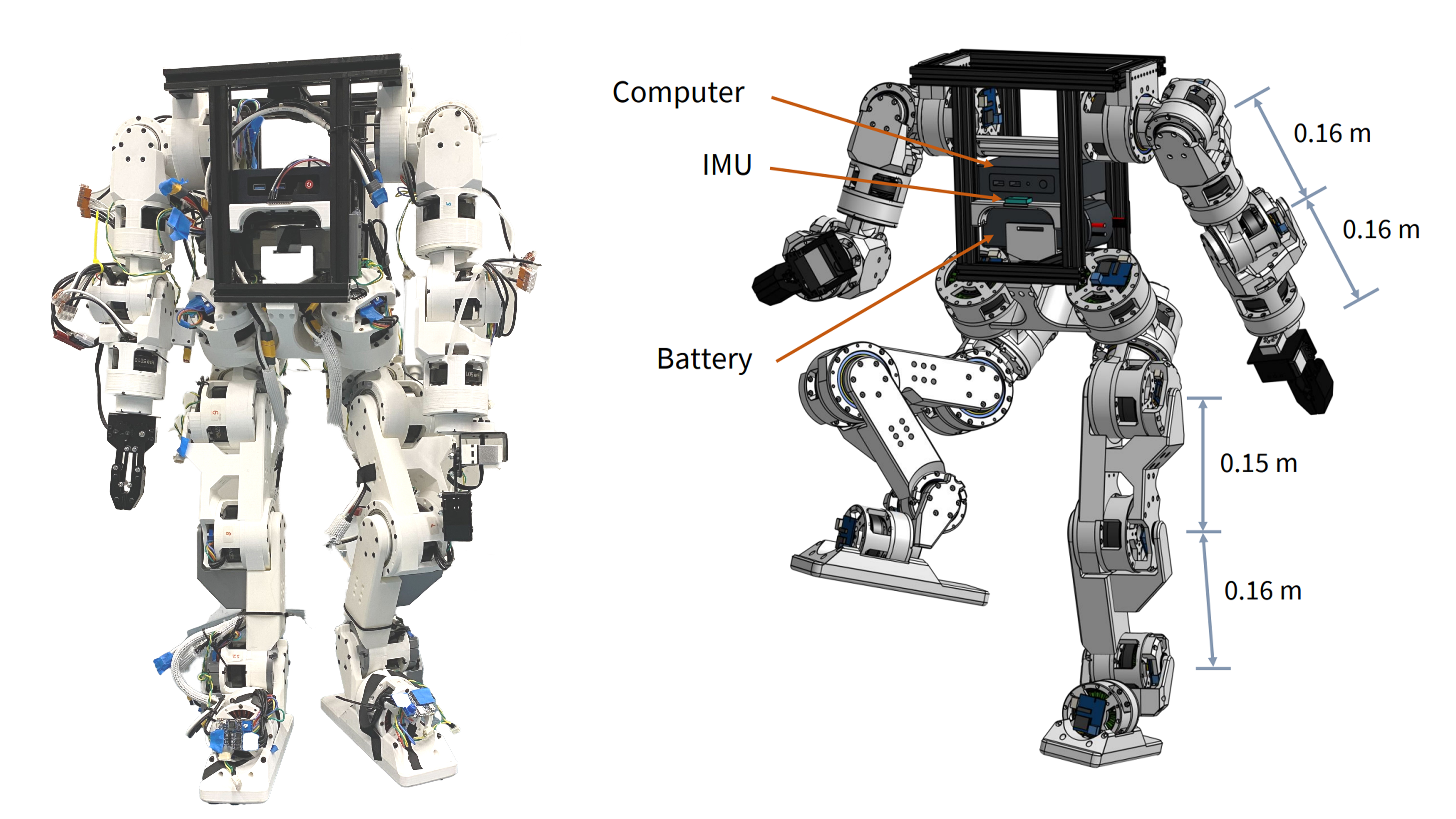
Berkeley Humanoid Lite: Affordable Open-Source Robot with DIY Actuators
Explore the Berkeley Humanoid Lite, a budget-friendly open-source robot featuring 3D-printed actuators under $5,000 USD. Learn how its modular design benefits DIY projects.
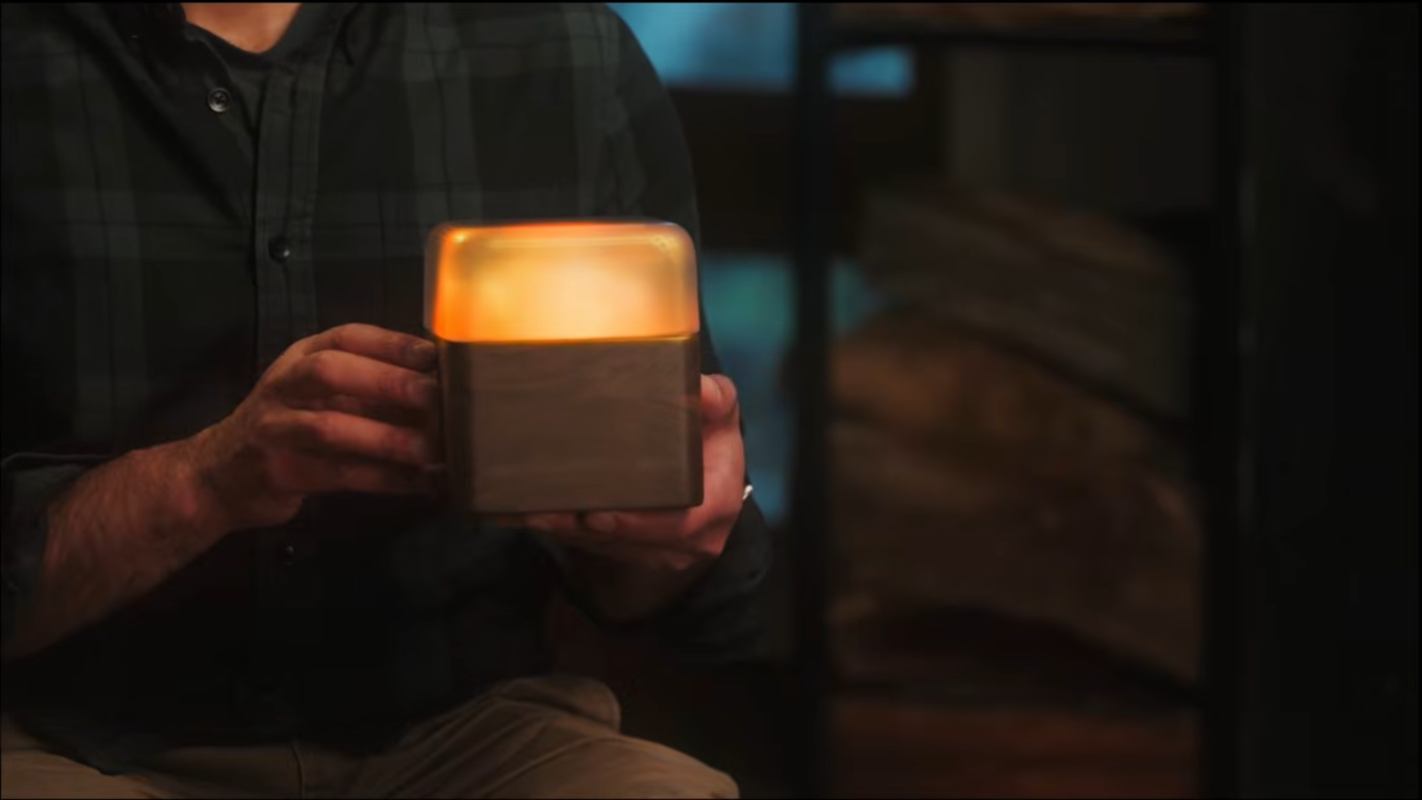
Woodstove Safety Monitor: Oru System Alerts Users to Temperature Fluctuations
Discover how the Oru woodstove assistant helps prevent dangerous chimney fires by monitoring exhaust gas temperatures and alerting users to temperature changes.
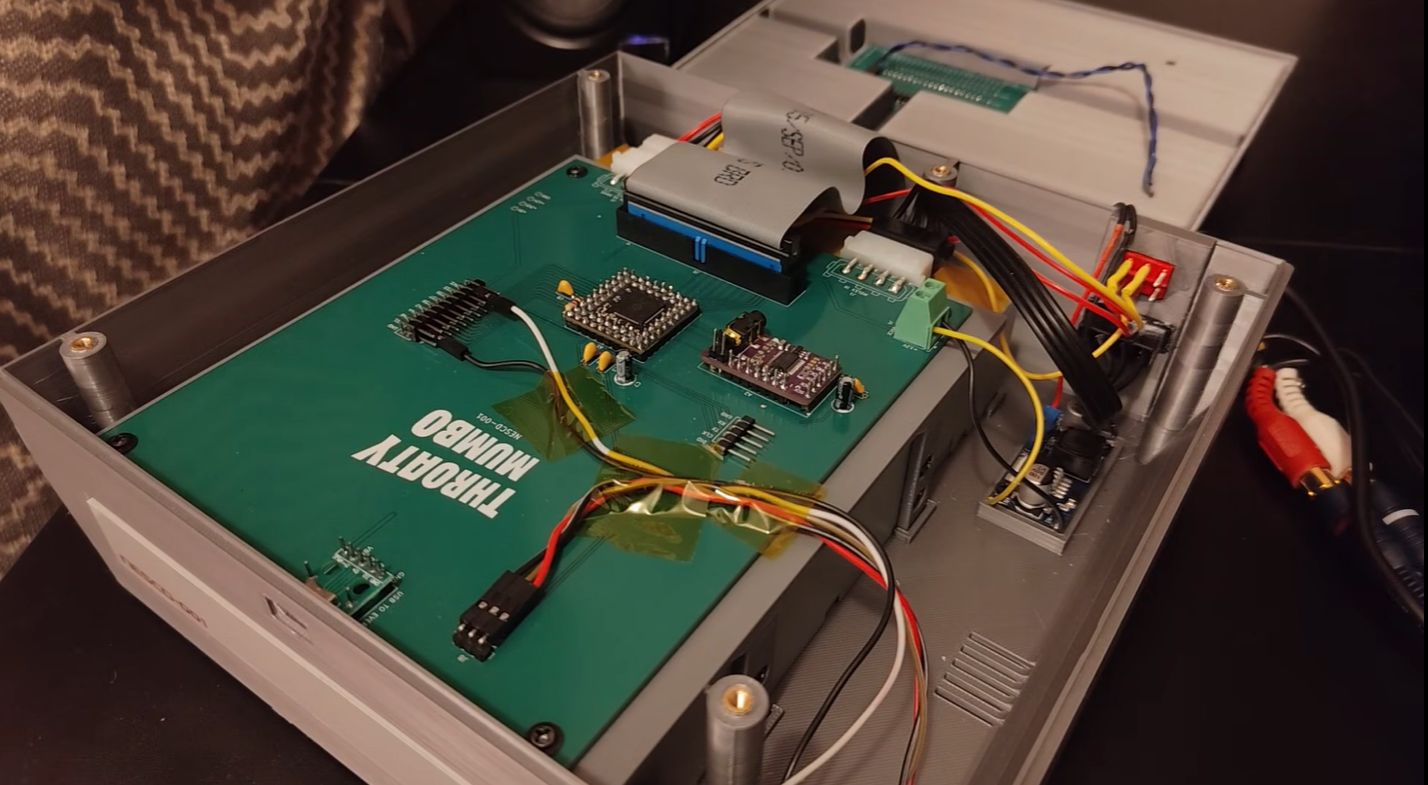
NES CD Add-On Revives 1980s Gaming with Optical Storage
Explore how a DIY project integrates a CD drive with the NES using an RP2350B microcontroller and Everdrive N8 Pro for expanded storage and audio playback.

Mumbai’s Vile Parle Cypher is giving unheard rappers a voice

Enrich and Ultimo impress

Karnataka CM Signals Review of 5% Park Land Amendment Bill in Assembly

