Here Is How Much AIPAC Has Given to Every Member of Congress This Cycle
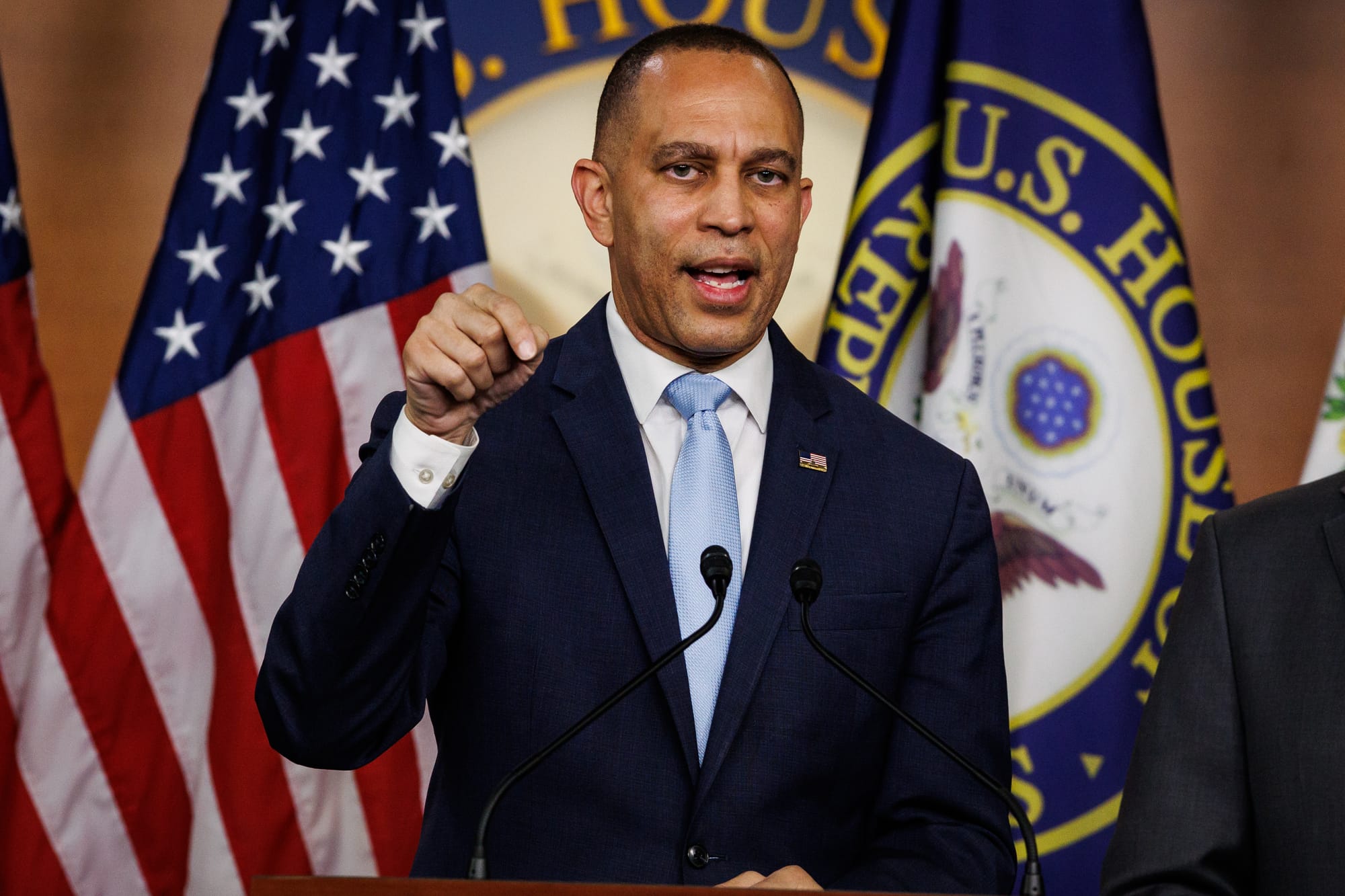
AIPAC’s Political Action Committee Distributes $45.9 Million to Congressional Candidates in Current Election Cycle
WASHINGTON – The American Israel Public Affairs Committee’s (AIPAC) political action committee has contributed $45.9 million to members of Congress, their caucus political action committees, and federal candidates during the 2026 election cycle, according to a review of the most recent Federal Election Commission (FEC) filings by the investigative news outlet Sludge. The contributions, reported through July 31, represent a significant increase compared to previous cycles and position AIPAC as the top conduit PAC among groups that endorse federal candidates.
AIPAC’s conduit operation primarily involves routing earmarked donations from individual donors to lawmakers, with a particular focus on members serving on the House and Senate Defense and Appropriations committees. These committees play a central role in shaping U.S. military aid and defense policy, areas where AIPAC advocates for strong support for Israel. The PAC’s giving strategy aligns with its lobbying priorities, which include securing billions in annual military assistance and advancing deeper defense cooperation.
The $45.9 million total surpasses AIPAC’s previous high-water mark for PAC contributions in a single election cycle, signaling the organization’s intensified engagement in federal elections. The funds are distributed primarily through individual donations channeled through AIPAC’s conduit system, which allows donors to direct their contributions to specific lawmakers while crediting AIPAC in donation records. This practice strengthens the organization’s visibility and influence with recipients.
In the most recent monthly filing, submitted on August 20, AIPAC reported an additional $1.9 million in disbursements in July. The PAC’s website emphasizes the dual attribution of these donations, highlighting the role of both individual donors and AIPAC in the giving process.
AIPAC has not publicly commented on the distribution of its PAC funds, and attempts to reach the organization for clarification were unsuccessful. The group’s financial disclosures provide the only available data on its contributions.
The conduit PAC model employed by AIPAC has drawn scrutiny from campaign finance watchdogs, who argue that such arrangements can obscure the true sources of political funding while amplifying the influence of interest groups. Critics contend that the system allows organizations to leverage their networks to direct money to key decision-makers, potentially shaping policy outcomes in their favor.
While AIPAC’s contributions represent a small fraction of overall congressional campaign fundraising, their concentration on defense and appropriations committees underscores the organization’s strategic focus on lawmakers who play pivotal roles in determining U.S. foreign policy and military spending.
Sludge has compiled a searchable database of AIPAC’s contributions to every member of Congress and federal candidate in the current cycle, allowing the public to examine how much each lawmaker has received. The data covers contributions through July 31 and is accessible on Sludge’s website.
Comments (0)
No comments yet — be the first to weigh in.

Middlesbrough's Crime Crisis: Decades of Failed Policies Unleash Chaos
Former Middlesbrough mayor Andy Preston blames decades of lenient crime policies for the town's recent surge in gang violence and lawlessness.

Google Maps Renames Lake Ontario to 'Lake America' Following Trump Order
Google Maps now displays 'Lake America' in the US, replacing 'Lake Ontario' after Trump's executive order amid trade tensions with Canada. Canadians still see the original name.

Pentagon Warns Pentagon Chiefs: Iran War Unsustainable, Threatens U.S. Readiness
Classified assessment reveals Pentagon chiefs warn Defense Secretary Pete Hegseth that the Iran war is unsustainable and drains U.S. military resources and readiness.

Mike Rogers Proposes $50 Copays for Routine Health Screenings, Critics Warn of Risks
Former Congressman Mike Rogers suggests $50 copays for routine screenings, sparking debate over healthcare costs and access. Critics highlight potential risks.

Mumbai’s Vile Parle Cypher is giving unheard rappers a voice

Enrich and Ultimo impress

Karnataka CM Signals Review of 5% Park Land Amendment Bill in Assembly

