How 3D Printing and Casting Can Revolutionize Engine Part Manufacturing
Discover how DIY casting methods using 3D printing can reduce waste and improve efficiency in engine part production.
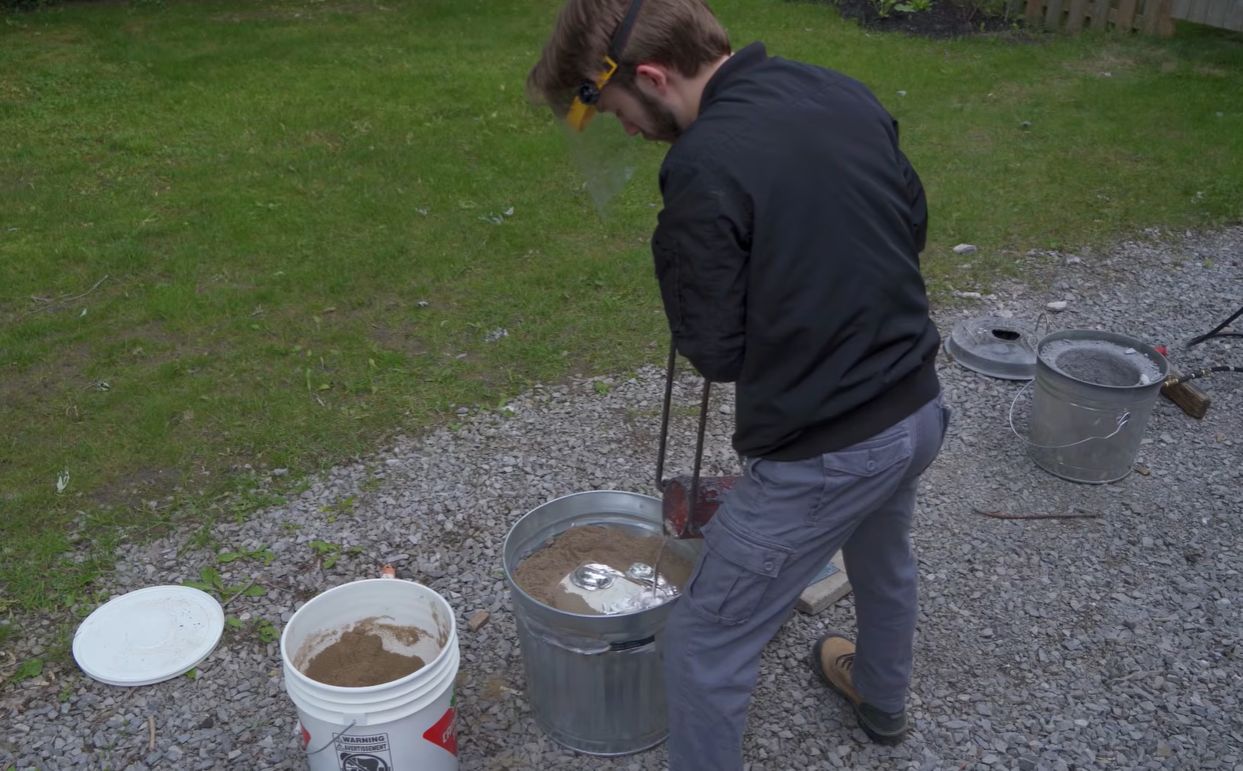
Craftsman Builds Engine Parts Using 3D-Printed Molds
A maker has successfully cast an engine cylinder using aluminum melted from alloy wheels and molds created from 3D-printed plastic patterns. The process, known as lost-PLA casting, demonstrates an alternative to milling solid aluminum billets—a technique that typically generates significant material waste.
Camden Bowen, the builder behind the project, said he sought a more sustainable method after constructing prior engines by machining aluminum stock. “It struck me how much material was being wasted,” he explained. “I wanted to try casting instead.”
To begin, Bowen fabricated a small kiln using cement, perlite insulation, and a propane burner. He then converted aluminum alloy wheels into ingots suitable for casting. Such wheels are commonly made from alloys compatible with casting processes, unlike many off-the-shelf aluminum products.
For the molding process, Bowen used a lost-PLA technique. He first 3D printed the desired part—in this case, an engine cylinder—in polylactic acid (PLA) plastic. He then encased the print in a plaster mold, reinforced with sand to withstand high temperatures. The mold was heated in an oven to burn out the PLA, leaving a cavity that could be filled with molten aluminum.
The process required multiple attempts. Bowen noted significant challenges in completely removing the PLA residue from the mold. “It took a lot of trial and error,” he said, “and several extra burnouts to get a clean cavity.” After refining the technique, he successfully poured aluminum into the mold, producing a cylinder with only minor imperfections.
The result highlights an efficient alternative to subtractive manufacturing. Milling a solid aluminum billet into a complex engine component can take hours and produce considerable scrap. Casting, by contrast, allows for the near-net shape of the part to be formed directly, reducing both material use and machining time.
Industrial foundries have long used similar casting methods to produce engine blocks, cylinder heads, and other components. This project shows how the technique can be replicated at a small scale with accessible tools and materials.
Bowen emphasized the learning curve involved. “It’s not as simple as printing a mold and pouring metal,” he said. “Temperature control, burnout timing, and mold preparation all make a big difference.”
While commercial foundries use advanced equipment and refined alloys, this experiment demonstrates the feasibility of casting metal parts with modest resources. The approach combines digital fabrication, traditional metallurgy, and hands-on problem-solving—hallmarks of modern maker culture.
As additive manufacturing and low-cost melting tools become more available, such hybrid techniques may gain wider adoption among hobbyists and small manufacturers seeking to reduce waste and improve efficiency in prototyping and production.
Comments (0)
No comments yet — be the first to weigh in.

Energy biz SSE smacked around in court by a guy and AI
An Oxford doctoral student has defeated British energy provider SSE Energy Supply in court after utilizing artificial intelligence models to build his legal def...
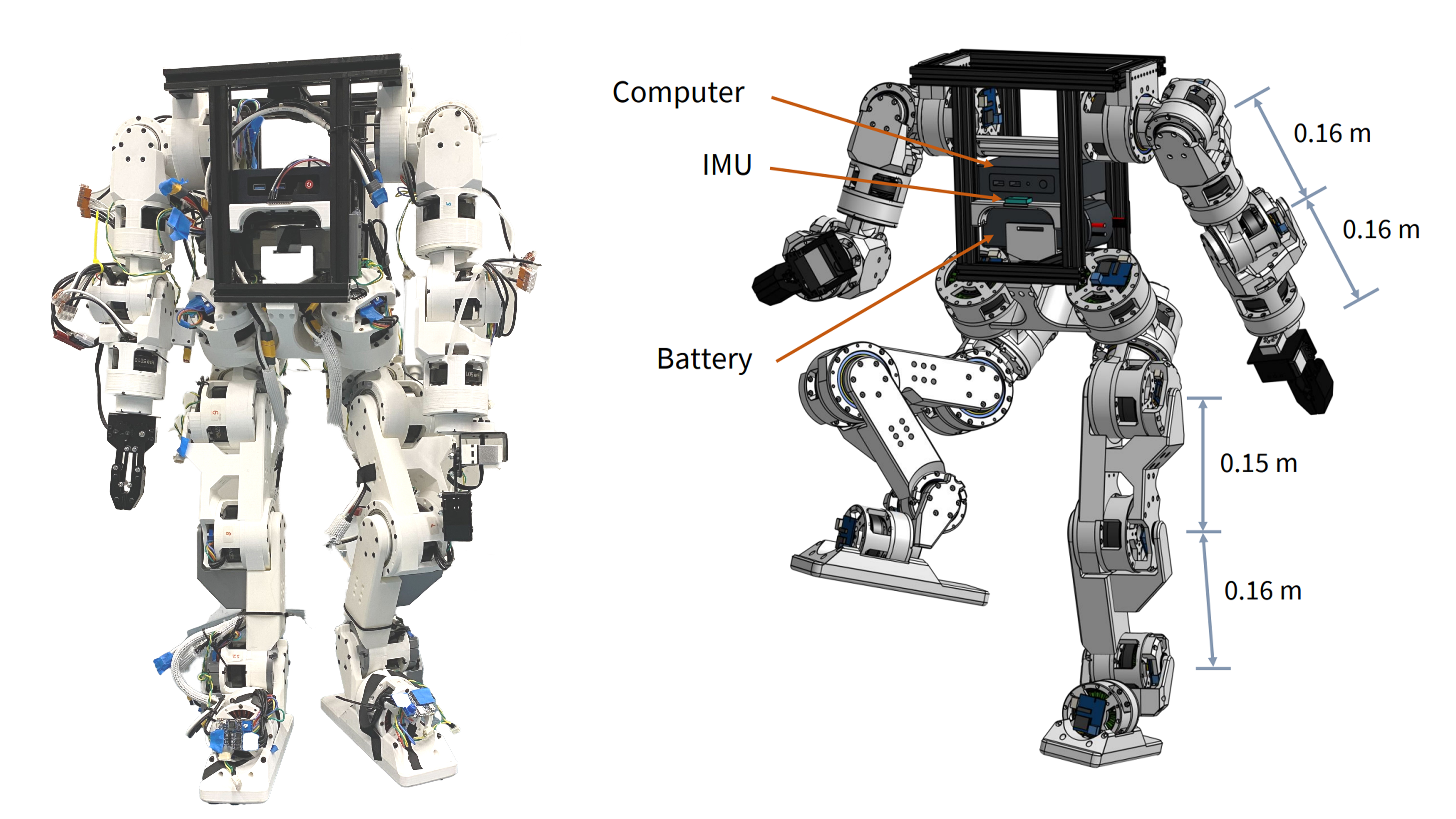
Berkeley Humanoid Lite: Affordable Open-Source Robot with DIY Actuators
Explore the Berkeley Humanoid Lite, a budget-friendly open-source robot featuring 3D-printed actuators under $5,000 USD. Learn how its modular design benefits DIY projects.

Woodstove Safety Monitor: Oru System Alerts Users to Temperature Fluctuations
Discover how the Oru woodstove assistant helps prevent dangerous chimney fires by monitoring exhaust gas temperatures and alerting users to temperature changes.
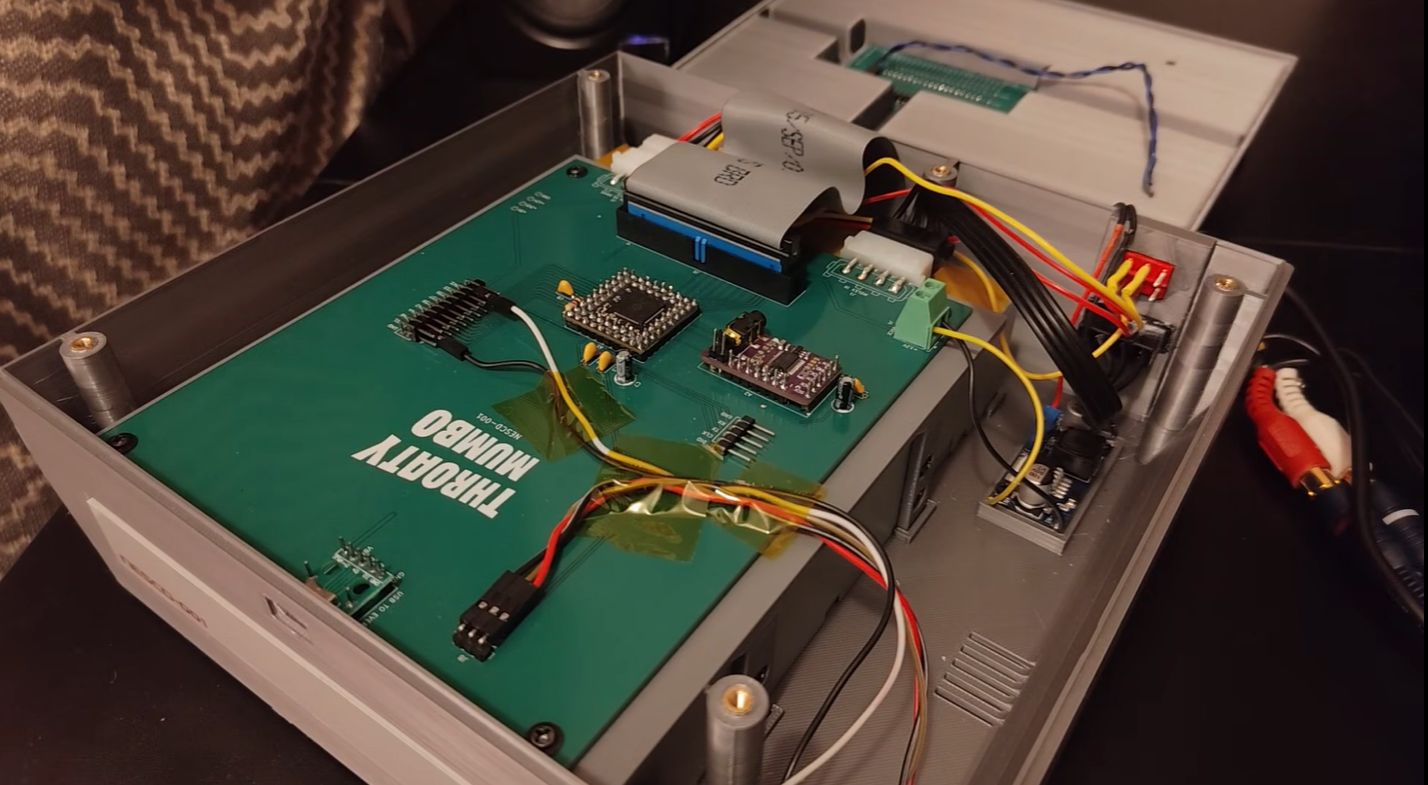
NES CD Add-On Revives 1980s Gaming with Optical Storage
Explore how a DIY project integrates a CD drive with the NES using an RP2350B microcontroller and Everdrive N8 Pro for expanded storage and audio playback.

Mumbai’s Vile Parle Cypher is giving unheard rappers a voice

Enrich and Ultimo impress

Karnataka CM Signals Review of 5% Park Land Amendment Bill in Assembly

