How Copyright Law Is Being Used to Squelch Speech
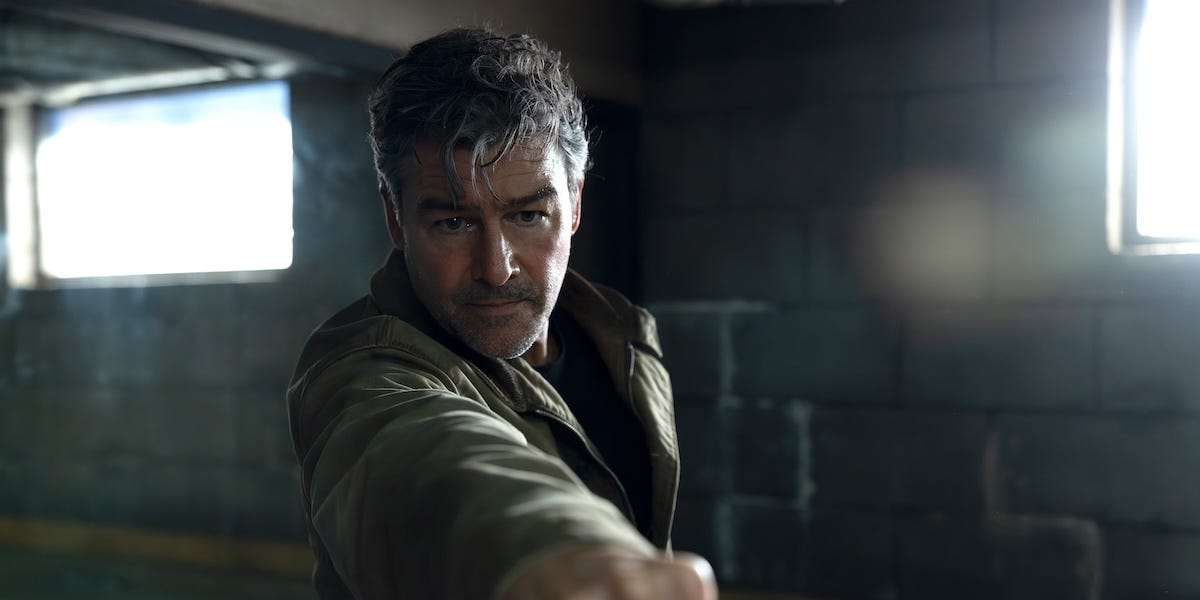
Copyright law has come under scrutiny this week following Warner Bros. Discovery’s reported efforts to suppress online discussions about spoilers for its new series *Lanterns*. The company has invoked provisions of the Digital Millennium Copyright Act (DMCA) to remove allegedly infringing content from the internet, raising concerns about potential overreach in controlling speech beyond the intended scope of copyright enforcement.
According to reporting by *Puck*’s Eriq Gardner, Warner Bros. has issued takedown notices targeting fan posts and articles that discuss plot details of *Lanterns*, a fantasy drama. While copyright holders have long used legal tools to protect their intellectual property, critics argue that Warner Bros.’ actions may extend beyond preventing unauthorized sharing of copyrighted material and into the realm of controlling public discourse.
The DMCA’s takedown provisions allow copyright holders to request the removal of infringing content from websites and platforms. However, legal experts note that the law was not designed to police discussions about creative works beyond direct copying or distribution. Some advocates for free speech argue that broad interpretations of copyright enforcement could stifle commentary, criticism, and even news coverage that falls under fair use protections.
The controversy over *Lanterns* follows a pattern of media companies using legal mechanisms to manage fan engagement and media narratives. In recent years, studios have increasingly relied on DMCA takedowns to remove unauthorized clips, reviews, and speculative content from online platforms. While the intent may be to protect a property’s market value, critics contend that such actions can undermine public conversation about entertainment content.
Legal scholars emphasize that fair use—a doctrine allowing limited use of copyrighted material for purposes like criticism, comment, or parody—should shield many forms of public discussion from unwarranted takedowns. However, the burden often falls on individual creators or platforms to challenge these requests, which can be time-consuming and costly.
The broader implications of Warner Bros.’ approach are still unfolding, but the case highlights tensions between intellectual property rights and free expression in the digital age. As media companies seek to control their narratives, observers warn that overly aggressive copyright enforcement could have a chilling effect on public discourse.
For now, the debate over *Lanterns* serves as a case study in how copyright law, when applied broadly, may intersect with—and potentially restrict—free speech in unexpected ways. The outcome could influence how future disputes over spoilers and media commentary are resolved.
Comments (0)
No comments yet — be the first to weigh in.

Middlesbrough's Crime Crisis: Decades of Failed Policies Unleash Chaos
Former Middlesbrough mayor Andy Preston blames decades of lenient crime policies for the town's recent surge in gang violence and lawlessness.

Google Maps Renames Lake Ontario to 'Lake America' Following Trump Order
Google Maps now displays 'Lake America' in the US, replacing 'Lake Ontario' after Trump's executive order amid trade tensions with Canada. Canadians still see the original name.

Pentagon Warns Pentagon Chiefs: Iran War Unsustainable, Threatens U.S. Readiness
Classified assessment reveals Pentagon chiefs warn Defense Secretary Pete Hegseth that the Iran war is unsustainable and drains U.S. military resources and readiness.

Mike Rogers Proposes $50 Copays for Routine Health Screenings, Critics Warn of Risks
Former Congressman Mike Rogers suggests $50 copays for routine screenings, sparking debate over healthcare costs and access. Critics highlight potential risks.

Mumbai’s Vile Parle Cypher is giving unheard rappers a voice

Enrich and Ultimo impress

Karnataka CM Signals Review of 5% Park Land Amendment Bill in Assembly

