How Identity and Dogmatism Fuel Political Violence in Democracies
Political violence is rising in democracies, fueled by rigid identities and dogmatism across the political spectrum, not just authoritarianism.
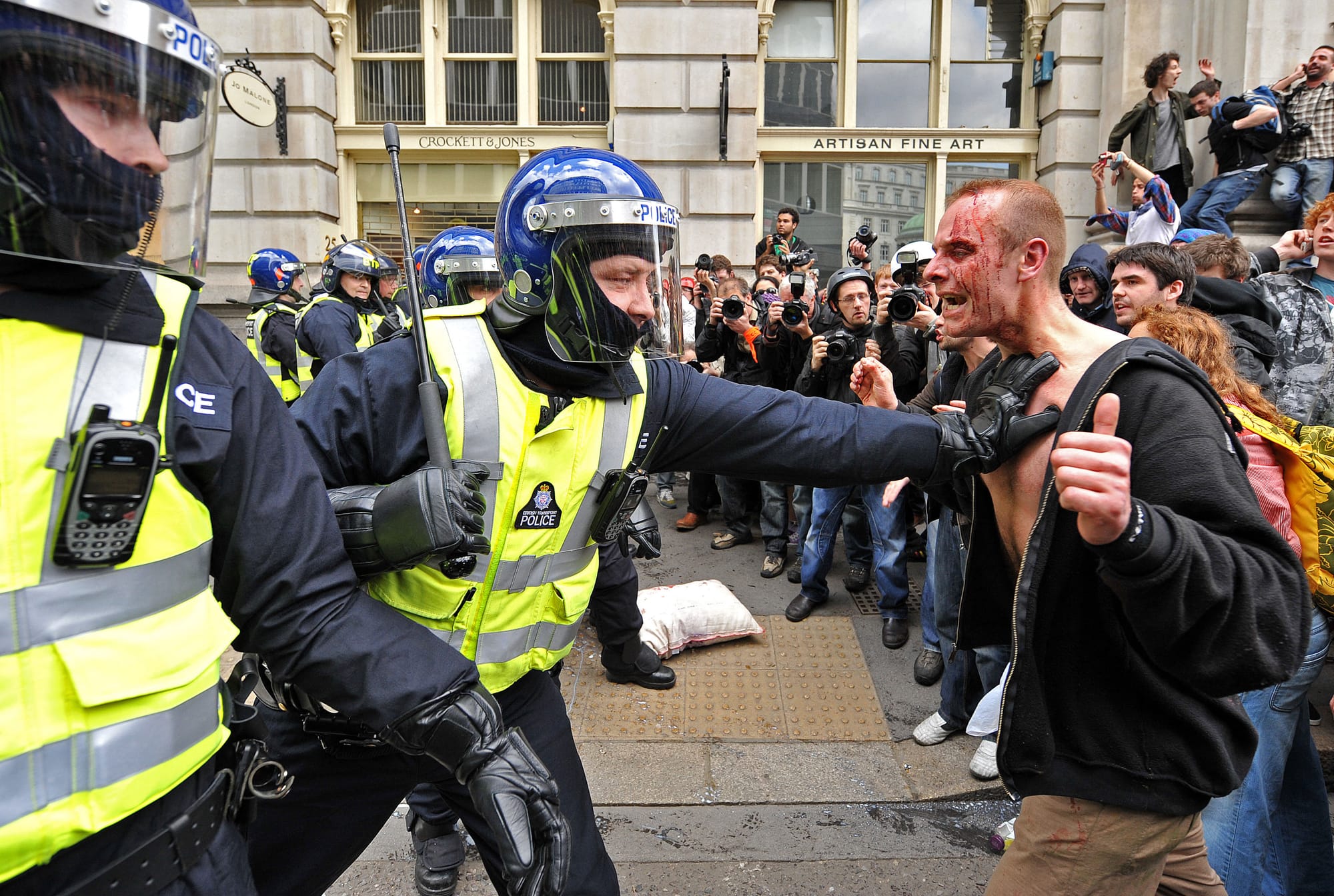
Political violence is increasing in democracies, with rising threats against politicians, particularly women and people of color. In the UK, alleged crimes against Members of Parliament have surged, and former officials continue to face safety concerns. For instance, Penny Mordaunt, a former Conservative cabinet minister, reported ongoing police investigations and court cases related to her safety two years after leaving office.
This rise in harassment is influenced by identity and perception. According to political neuroscientist Leor Zmigrod, when people shift from "I believe" to "I am," they become more dogmatic, favoring those who agree with them and disfavoring those who don't, even in unrelated areas. Extreme leftists and rightists can exhibit similar psychological profiles, particularly in stressful or uncertain environments. Zmigrod’s research indicates that dogmatists with rigid cognitive frameworks are more likely to endorse violence against perceived threats, justifying it as self-defense.
Identity can fluctuate based on events, such as national victories, but some identities remain potent due to deep injustices like racism or sexism. Historically, authoritarianism was thought to predispose individuals to support political violence, a theory shaped by researchers like Else Frenkel-Brunswik, who studied how people could condone or ignore atrocities like genocide. Frenkel-Brunswik linked authoritarianism to cognitive rigidity, particularly among right-wing individuals who view the world in black-and-white terms.
However, this theory has limitations. Subsequent research shows that rigidity and dogmatism, not just authoritarianism, can drive support for political violence across the political spectrum. Political psychology has since uncovered both differences and similarities in how conservatives, liberals, and others think, but the focus on authoritarianism alone tells only part of the story.
To address the rise in political violence, experts suggest several steps. Public condemnation of violence is essential, as is enforcing rules consistently and protecting the independence of enforcers. On a personal level, increasing cognitive flexibility can help reduce dogmatism. Reflecting on past moments of changing one’s mind may foster a more open mindset.
The solution isn’t to stop advocating for progress but to recognize the messenger’s role and the importance of condemning violence openly. By understanding the psychological underpinnings of political violence, society can work toward reducing its prevalence and fostering a more tolerant and adaptable political discourse.
Comments (0)
No comments yet — be the first to weigh in.

Iran-US Tensions Escalate Amid Hormuz Strait Crisis – Live Updates
Iranian President Pezeshkian seeks diplomatic solutions with global leaders at SCO summit in Kyrgyzstan amid rising US tensions over Hormuz Strait.

Search continues for 18 passengers after ferry capsized in northern Cyprus
Search and rescue operations are continuing off the coast of Kyrenia in northern Cyprus after a passenger ferry capsized and sank on Sunday, leaving at least ei...

Swiss Man Arrested After Deadly Rave Shooting Kills Italian Woman
A 43-year-old Swiss suspect has been arrested after a shooting at a techno rave in Aarau left one woman dead and several others injured. Authorities continue their investigation.

England attack's 2005 comparisons fair - Trescothick
England’s new pace attack is drawing comparisons to the legendary Ashes-winning quartet of 2005, according to interim head coach Marcus Trescothick. The current...

Mumbai’s Vile Parle Cypher is giving unheard rappers a voice

Enrich and Ultimo impress

Karnataka CM Signals Review of 5% Park Land Amendment Bill in Assembly

