Iceland Votes No to EU Accession: Key Takeaways from Referendum
Iceland rejects restarting EU accession talks in a referendum, with fishing industry concerns and urban-rural divide shaping the 52.8% 'no' vote outcome.

Iceland has rejected restarting European Union accession talks in a closely contested referendum, with 52.8% voting against and 47.2% in favor. The outcome effectively closes the door on potential EU membership for the Nordic nation, which had previously abandoned accession negotiations in 2015 after closing 11 chapters of the process.
The referendum’s narrow result highlighted deep divisions within Iceland, particularly between urban and rural communities. Only Reykjavík’s two constituencies voted in favor, with support reaching 57.5% in the capital’s north district. In contrast, rural regions, where fishing plays a dominant economic role, overwhelmingly opposed accession, with margins exceeding 60% in the Northwest, Northeast, and Southern constituencies.
Fishing industry concerns were a decisive factor in the vote. Iceland’s economy relies heavily on fisheries, which account for nearly 40% of exports and 8% of GDP. Membership in the EU would have subjected Iceland to the Common Fisheries Policy (CFP), which regulates fishing quotas and practices across member states. A Gallup poll ahead of the referendum found that 90% of fishing-related businesses opposed EU membership.
Prime Minister Kristrún Frostadóttir emphasized that voters were satisfied with Iceland’s existing arrangements with the EU, particularly the European Economic Area (EEA) agreement. The EEA grants Iceland access to the EU single market—excluding fisheries and agriculture—in exchange for adopting nearly 9,000 EU laws without voting rights in Brussels. The country also participates in Schengen, the Emissions Trading System (ETS), and programs like Erasmus and Horizon.
The referendum’s high turnout at 82.5% underscored the significance of the decision, with 225,031 votes cast. A small number of ballots—1,652—were blank or invalid. The result mirrors historical rejections of EU membership by other wealthy nations, including Norway’s two referendums in 1972 and 1994, and the United Kingdom’s Brexit vote in 2016, which yielded a similarly narrow margin.
For the EU, Iceland’s decision deals a setback to enlargement ambitions, particularly as the bloc grapples with integrating a long list of lower-income candidate countries. With Iceland’s advanced economy and nearly 100% renewable energy grid, Brussels had privately viewed the Nordic nation as a front-runner in accession talks. However, concerns about leapfrogging other candidates, particularly those in the Western Balkans, complicated the prospect of prioritizing Iceland.
The outcome leaves Iceland’s partnership with the EU intact, including its alignment with foreign policy positions such as sanctions against Russia over its war in Ukraine. It also raises questions about whether wealthy nations see EU membership as a priority compared to nations seeking economic and geopolitical stability.
#Iceland #EUreferendum #EuropeanUnion #FishingIndustry #Reykjavik #KristrunFrostadottir #Brexit
Comments (0)
No comments yet — be the first to weigh in.

TAP ends first half with almost €100 million loss amid rising fuel costs
Portuguese national airline TAP Air Portugal posted a net loss of 99.2 million euros in the first half of the year, driven largely by surging jet fuel costs lin...

"Never done before": meteorologist on MTG-I2 leap to predict disasters
The European Space Agency and Eumetsat have launched the Meteosat Third Generation Imager-2 (MTG-I2) satellite, marking a significant advancement in weather for...
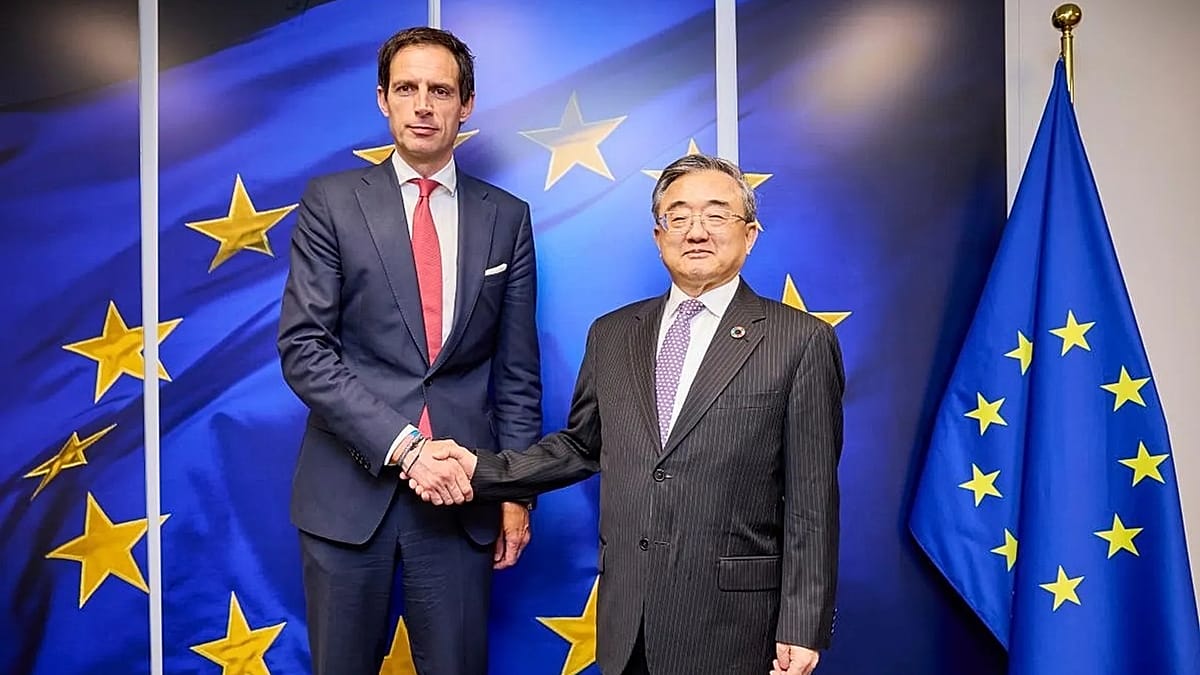
EU Climate Chief Warns China Dependence Raises Green Transition Costs
EU Climate Chief Wopke Hoekstra warns that Europe's reliance on China for clean energy tech could prolong strategic vulnerabilities and inflate costs during the green transition.
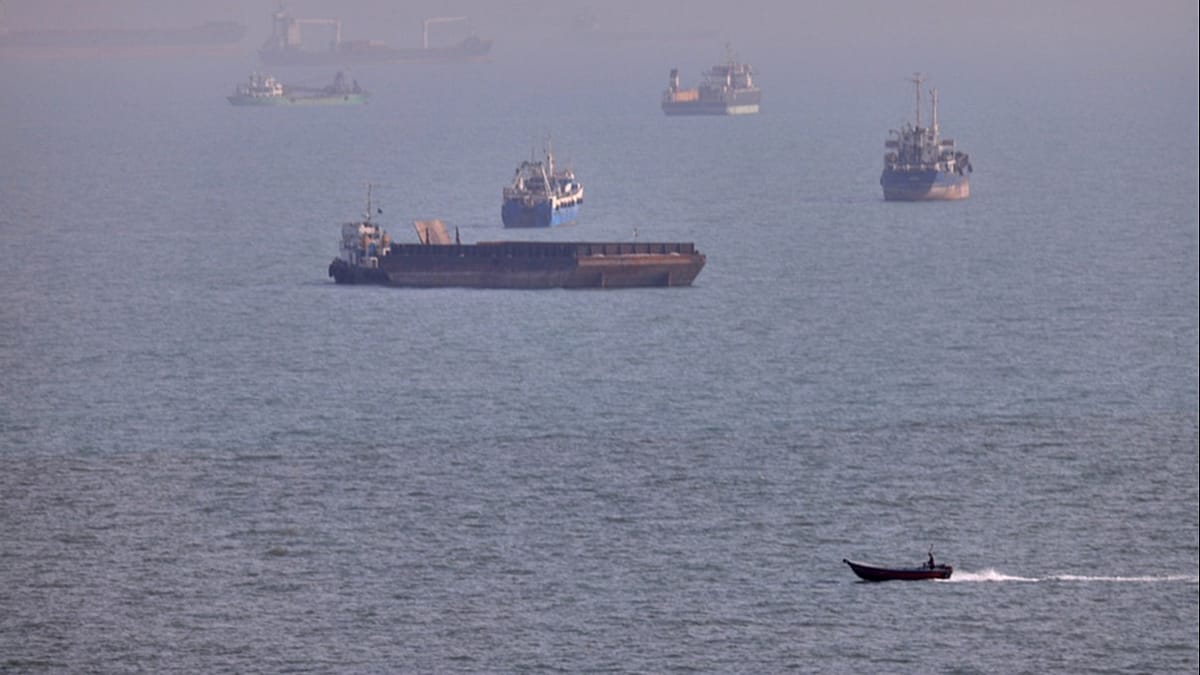
Iran fires retaliatory strikes following US attacks on Larak island in the Strait of Hormuz
US military strikes Iranian targets in Strait of Hormuz, prompting retaliatory Iranian missile attacks on US bases in Jordan The United States launched precisio...

Mumbai’s Vile Parle Cypher is giving unheard rappers a voice

Enrich and Ultimo impress

Karnataka CM Signals Review of 5% Park Land Amendment Bill in Assembly

