Indigenous Activist Dubs 'The Lion King' into Quechua to Preserve Language
A new documentary highlights Fernando Valencia's mission to dub Disney's 'The Lion King' into Quechua, a language spoken by 10 million in the Americas, amid rising language extinction threats.
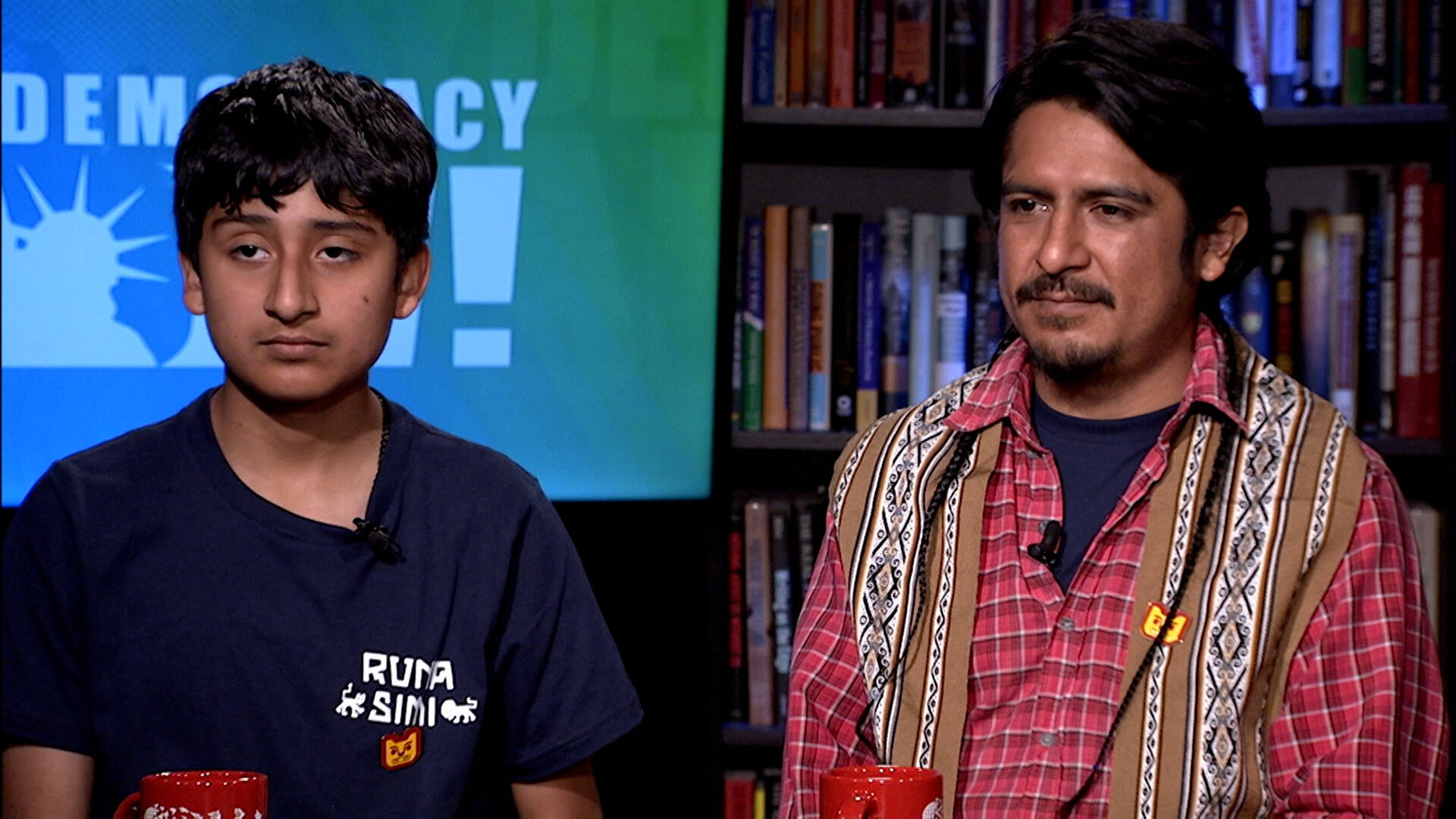
**Peruvian Activist Dubs Disney’s ‘The Lion King’ into Quechua to Preserve Indigenous Language**
NEW YORK, April 5 — Experts warn that half of the world’s approximately 7,000 spoken languages could disappear by the end of the century, with a language lost roughly every two weeks. Quechua, the most widely spoken Indigenous language in the Americas, faces this threat despite having 7 to 10 million speakers across Peru, Bolivia, and Ecuador. Cultural pressures and systemic discrimination continue to undermine its survival.
A new documentary, *Runa Simi*—which translates to “our language” in Quechua—follows Fernando Valencia, a Peruvian voice actor, Indigenous rights advocate, and single father. The film documents his effort to dub Disney’s *The Lion King* into Quechua, a project he undertakes with his now-14-year-old son Dylan, who participated in the process at age eight.
Valencia began dubbing animated films into Quechua after observing Quechua-speaking children in rural areas watching Spanish-dubbed movies they could not understand. “I am sharing our culture with global audiences,” he said. “There’s only about an hour of Quechua instruction per week in schools, making it difficult for children to learn the language.”
Augusto Zegarra, the film’s director, emphasized the broader stakes. “Indigenous communities in Peru are fighting for fundamental rights, including access to education and healthcare in their own language,” he said. “But they also deserve entertainment in Quechua. This film highlights those dual struggles.”
The documentary’s trailer depicts Valencia’s persistent efforts to secure Disney’s approval, including a call to the company’s legal department. In the clip, he explains his motivation: “Ten million Quechua speakers have never seen a blockbuster in their own language.” His son, Dylan, is shown voicing Simba, with Valencia coaching him on pronunciation and delivery.
Zegarra, who is Peruvian American but not Quechua himself, described the project as urgent. “This is about more than language preservation—it’s about cultural survival,” he said. “Quechua speakers face systemic marginalization, yet their right to media in their language is often overlooked.”
Quechua’s decline reflects a global trend. UNESCO has identified nearly 2,500 languages at risk of extinction, many Indigenous. Efforts like Valencia’s dubbing work seek to counter this trend by making media accessible in native tongues.
The film *Runa Simi* will screen this weekend at New York’s Firehouse Cinema. Its release coincides with growing calls for linguistic rights in Peru, where Indigenous communities advocate for education and representation in their languages.
For Valencia, the project is deeply personal. “Ñoqa means ‘I,’ and it comes from the heart,” he said, referring to the Quechua word for “I.” “I’ve used my voice since childhood to keep this language alive.”
The documentary underscores a critical message: preserving languages is not just about words—it’s about identity, heritage, and the right to participate fully in global culture.
Comments (0)
No comments yet — be the first to weigh in.

Middlesbrough's Crime Crisis: Decades of Failed Policies Unleash Chaos
Former Middlesbrough mayor Andy Preston blames decades of lenient crime policies for the town's recent surge in gang violence and lawlessness.

Google Maps Renames Lake Ontario to 'Lake America' Following Trump Order
Google Maps now displays 'Lake America' in the US, replacing 'Lake Ontario' after Trump's executive order amid trade tensions with Canada. Canadians still see the original name.

Pentagon Warns Pentagon Chiefs: Iran War Unsustainable, Threatens U.S. Readiness
Classified assessment reveals Pentagon chiefs warn Defense Secretary Pete Hegseth that the Iran war is unsustainable and drains U.S. military resources and readiness.

Mike Rogers Proposes $50 Copays for Routine Health Screenings, Critics Warn of Risks
Former Congressman Mike Rogers suggests $50 copays for routine screenings, sparking debate over healthcare costs and access. Critics highlight potential risks.

Mumbai’s Vile Parle Cypher is giving unheard rappers a voice

Enrich and Ultimo impress

Karnataka CM Signals Review of 5% Park Land Amendment Bill in Assembly

