Inflation Exacts its Pound of Flesh: How Americans Earned their Income from All Sources except Capital Gains
Americans' inflation-adjusted personal income, excluding government transfers, has shown limited growth since mid-2025, according to the latest data. Despite recent improvements, purchasing power remains below levels seen in late 2025, reflecting the ongoing impact of inflation.
In July, inflation-adjusted personal income—excluding government benefits such as Social Security—rose by 0.19%, marking the third consecutive month of growth after a period of decline. However, this figure remains 0.63% below the September 2025 peak and 0.38% lower than July 2024. Compared to July 2023, income has increased by just 0.86%, illustrating the slow erosion of earnings amid persistent inflationary pressures.
Total personal income, excluding government transfers, reached $21.9 trillion in July on a seasonally adjusted annual basis, according to the Bureau of Economic Analysis. This represents a 0.35% increase from June and a 3.3% rise from the previous year. Wages and salaries, including employer contributions to benefits, accounted for 60% of this income and have increased by 38% since January 2020.
Income from other sources, including investments and entrepreneurial activities, has varied:
Dividend income, which surged during the Federal Reserve’s monetary expansion in 2020–2021, has grown by 68% since January 2020, making it the largest category in this group. Proprietor’s income from small businesses and farms increased by 35% over the same period, trailing wage growth. Interest income rebounded after the Fed’s rate hikes, rising 30% since 2020. Rental income grew by 60%, reflecting sharp increases in housing costs during the pandemic-era inflation spike.
Government social benefits, including direct payments like Social Security and indirect support through Medicare and Medicaid, rose by 0.59% from June and 5.1% year-over-year. However, unemployment insurance payments continued to decline.
Overall, Americans' income growth has struggled to keep pace with inflation, particularly since mid-2025. While wages have risen, the broader economic strain persists, with no significant recovery in purchasing power compared to pre-inflationary peaks.
Comments (0)
No comments yet — be the first to weigh in.

Free School Uniform Swap Shop Saves Welsh Families £50m Annually
A Cardiff father's school uniform swap shop initiative has grown to 200 schools, helping Welsh families save £50m yearly while promoting sustainability and reducing clothing waste.

Poland, US Explore Permanent Military Bases: Defense Talks Underway
Poland and the US are discussing permanent American military bases in Poland, focusing on defense capabilities rather than troop numbers. Nuclear warheads are not part of the plans.

Taxpayers Lost $65B to Obamacare Fraud in 2024; Feds Crack Down
A Paragon Health Institute report reveals $65 billion in taxpayer losses due to Obamacare and Medicaid fraud in 2024, with improper enrollments rising in 2025.
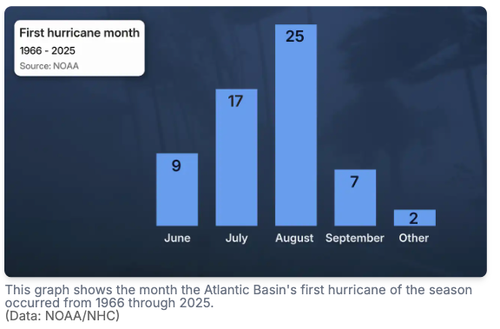
El Niño Delaying 2026 Atlantic Hurricane Season as Dolly Nears Florida
El Niño's wind shear suppresses 2026 Atlantic hurricane activity, delaying first hurricane as Tropical Storm Dolly's remnants approach Florida and the Caribbean.

Mumbai’s Vile Parle Cypher is giving unheard rappers a voice

Enrich and Ultimo impress

Karnataka CM Signals Review of 5% Park Land Amendment Bill in Assembly

