Inflation in Meat Prices: How Free Markets Solve the Problem
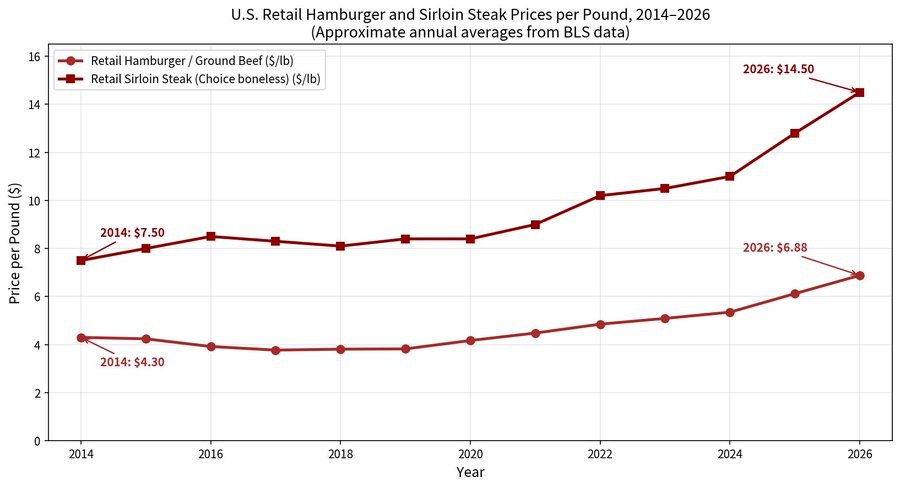
Inflation in hamburger and steak prices illustrates a free‑market issue. The article shows how Trump’s lack of understanding hampers solutions markets can help.
Here is the rewritten article in clear, objective journalistic prose, adhering to the inverted pyramid structure and maintaining factual accuracy:
The recent rise in prices for hamburgers and steaks has highlighted concerns over inflation, particularly under the current economic policies. However, economists argue that such price increases are precisely the kind of issue that free market mechanisms were designed to address.
The issue of rising meat prices has become a point of contention, with critics pointing to factors such as supply chain disruptions, increased consumer demand, and rising production costs. These challenges, while significant, are not uncommon in a dynamic market economy. Historically, such pressures have often led to adjustments in supply, demand, or innovation, which can ultimately stabilize or reduce prices over time.
Proponents of free market principles contend that government intervention is not the optimal solution for addressing price fluctuations. Instead, they argue that allowing market forces to operate—without excessive regulation or artificial price controls—can lead to more efficient and sustainable outcomes. This perspective emphasizes the role of competition, consumer choice, and producer innovation in correcting imbalances over time.
Critics of recent economic policies suggest that certain measures, such as tariffs or subsidies, may have contributed to inefficiencies in the meat industry. For example, tariffs on imported steel have raised costs for meat processors, while trade restrictions have limited access to certain markets. These factors, combined with labor shortages and logistical challenges, have placed upward pressure on prices.
Economists also note that inflationary pressures are not limited to food products. Wage growth, supply chain bottlenecks, and increased demand following the pandemic have contributed to broader inflationary trends. The Federal Reserve and other policymakers have indicated that addressing these issues may require a combination of monetary policy adjustments and structural reforms.
While the immediate impact of higher meat prices is felt by consumers, the long-term solution may lie in allowing market mechanisms to function without excessive interference. Historically, periods of inflation have often been followed by corrections as supply chains adapt, production increases, and consumer behavior adjusts.
In summary, the rise in hamburger and steak prices reflects broader economic challenges that are being addressed through a mix of market forces and policy responses. Economists emphasize that reliance on free market principles remains the most effective way to resolve such issues sustainably.
Comments (0)
No comments yet — be the first to weigh in.

Free School Uniform Swap Shop Saves Welsh Families £50m Annually
A Cardiff father's school uniform swap shop initiative has grown to 200 schools, helping Welsh families save £50m yearly while promoting sustainability and reducing clothing waste.
Poland, US Explore Permanent Military Bases: Defense Talks Underway
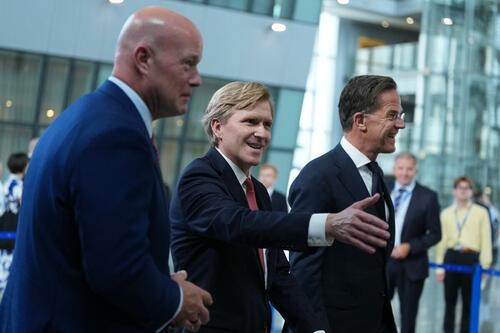
Poland and the US are discussing permanent American military bases in Poland, focusing on defense capabilities rather than troop numbers. Nuclear warheads are not part of the plans.
Taxpayers Lost $65B to Obamacare Fraud in 2024; Feds Crack Down
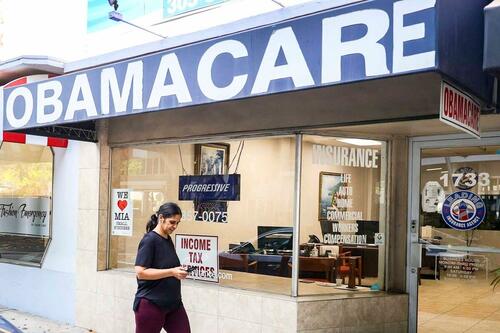
A Paragon Health Institute report reveals $65 billion in taxpayer losses due to Obamacare and Medicaid fraud in 2024, with improper enrollments rising in 2025.
El Niño Delaying 2026 Atlantic Hurricane Season as Dolly Nears Florida
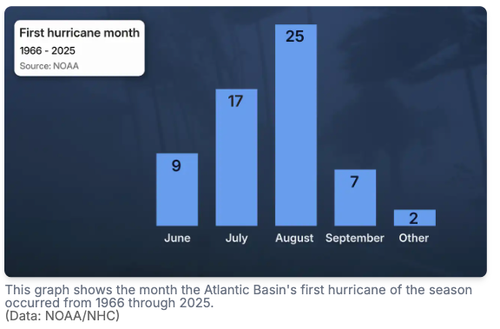
El Niño's wind shear suppresses 2026 Atlantic hurricane activity, delaying first hurricane as Tropical Storm Dolly's remnants approach Florida and the Caribbean.

Mumbai’s Vile Parle Cypher is giving unheard rappers a voice

Enrich and Ultimo impress

Karnataka CM Signals Review of 5% Park Land Amendment Bill in Assembly

