iPhone Cinematic Mode Stuck in the Past: 16 Pro Max Test Shows Limitations
A 16 Pro Max test reveals iPhone Cinematic mode still struggles with depth and focus, despite newer chips. Apple may need to upgrade to support amateur filmmakers.

iPhone Cinematic Mode Falls Short in Real‑World Test
A recent video experiment conducted with an iPhone 16 Pro Max has highlighted limitations in Apple’s Cinematic mode, prompting the author of the test to question why the feature has not been updated to take advantage of the latest hardware. The test, which involved filming a stationary subject at a distance of roughly 25 feet from background railings and the O2 arena across the Thames, revealed noticeable focus and halo issues that the author believes would be unacceptable for amateur filmmakers and enthusiasts.
Apple introduced Cinematic mode on the iPhone 13, a feature that allows users to record video with a shallow depth of field and automatic focus adjustments that mimic the look of a DSLR camera. The author noted that the mode is not inherently flawed but is “close to being good enough for real‑life use.” However, the new test demonstrates that the current implementation struggles with challenging backgrounds and movement, even when the subject is largely stationary on a stool.
In the video, the subject’s legs occasionally bleed into the foreground, producing halos where the foreground and background meet. The O2 pylons behind the subject sometimes come into focus when the subject shifts his head, and the river across the Thames can briefly enter the focus zone when the subject opens his arms. While the overall aesthetic remains appealing, these artifacts become evident to viewers who understand video production, according to the author.
The author acknowledges that casual viewers may not notice these issues. He cites a friend who uses a smartphone to conduct spontaneous interviews on the street, suggesting that many users may be satisfied with the feature’s current performance. Nonetheless, the author argues that the target audience for Cinematic mode—teenagers and hobbyists who lack access to professional gear—would benefit from a more robust implementation that fully utilizes the processing power of the latest iPhone chips and neural‑processing capabilities.
The experiment was designed to test the limits of the feature by placing a subject far enough from the background to create a pronounced depth‑of‑field effect while still exposing the camera’s depth‑sensing algorithms to a complex scene. The results indicate that the algorithm’s segmentation and focus‑adjustment routines are not yet mature enough to handle such conditions without producing visible artifacts.
Apple has not publicly announced any plans to upgrade Cinematic mode beyond incremental improvements. The author suggests that a comprehensive update could address the focus drift and halo problems observed in the test, allowing the feature to function reliably in a broader range of shooting scenarios. Such an update would also align with Apple’s broader strategy of encouraging content creation on its platform, especially among younger users who rely on smartphones for filmmaking.
The author invites readers to share their own experiences and opinions in the comments, asking whether they agree that Cinematic mode deserves further refinement. He emphasizes that the feature’s potential is significant, but its current shortcomings undermine its usefulness for the very demographic it was designed to serve.
In summary, the video experiment demonstrates that Apple’s Cinematic mode still has room for improvement. While the feature offers a compelling look for casual users, its inability to handle complex backgrounds and subtle movement highlights a need for a more powerful, AI‑driven update. If Apple were to address these issues, the mode could become a more reliable tool for amateur filmmakers, reinforcing the company’s commitment to democratizing video production on the iPhone.
Comments (0)
No comments yet — be the first to weigh in.

Energy biz SSE smacked around in court by a guy and AI
An Oxford doctoral student has defeated British energy provider SSE Energy Supply in court after utilizing artificial intelligence models to build his legal def...
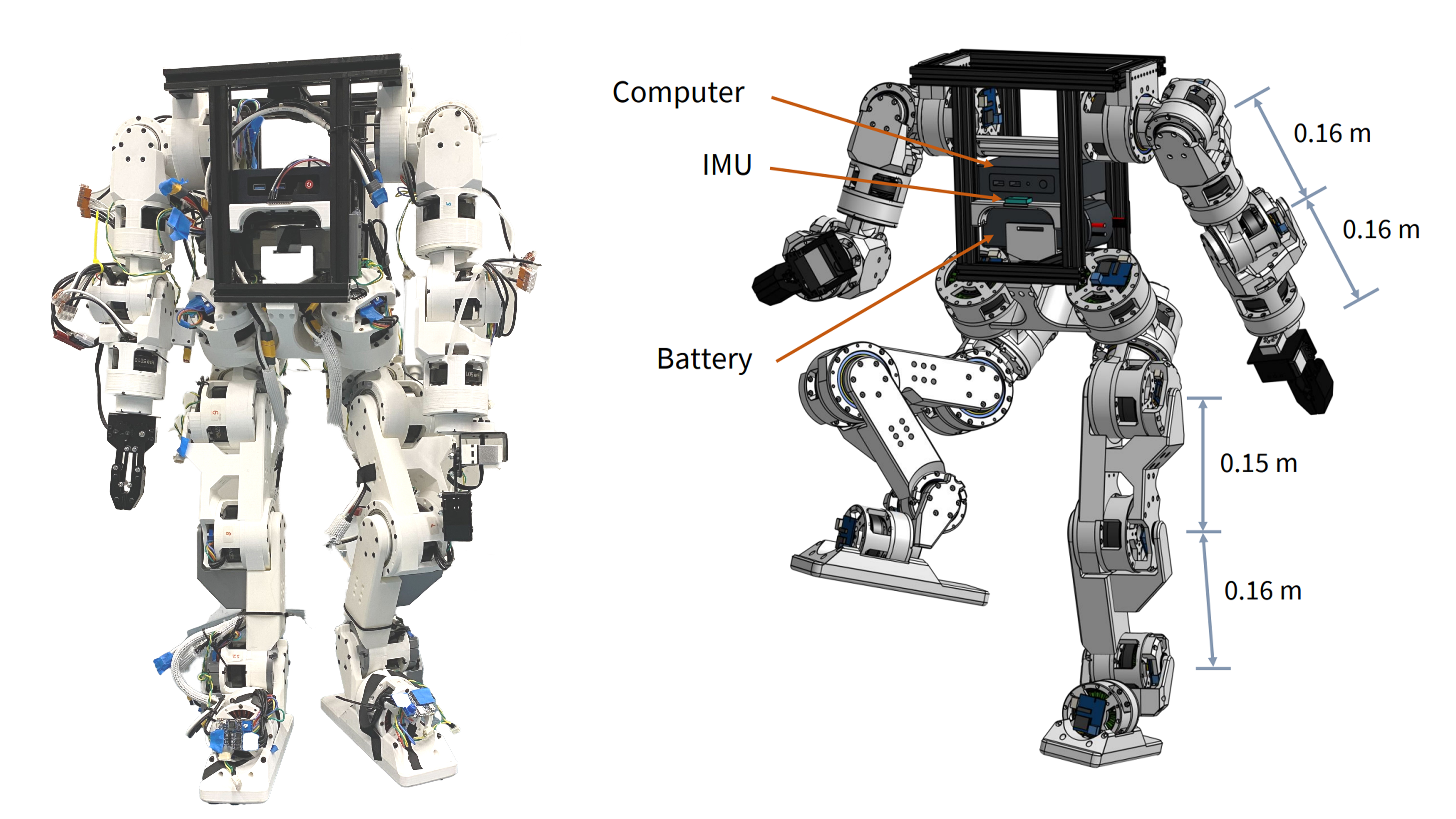
Berkeley Humanoid Lite: Affordable Open-Source Robot with DIY Actuators
Explore the Berkeley Humanoid Lite, a budget-friendly open-source robot featuring 3D-printed actuators under $5,000 USD. Learn how its modular design benefits DIY projects.
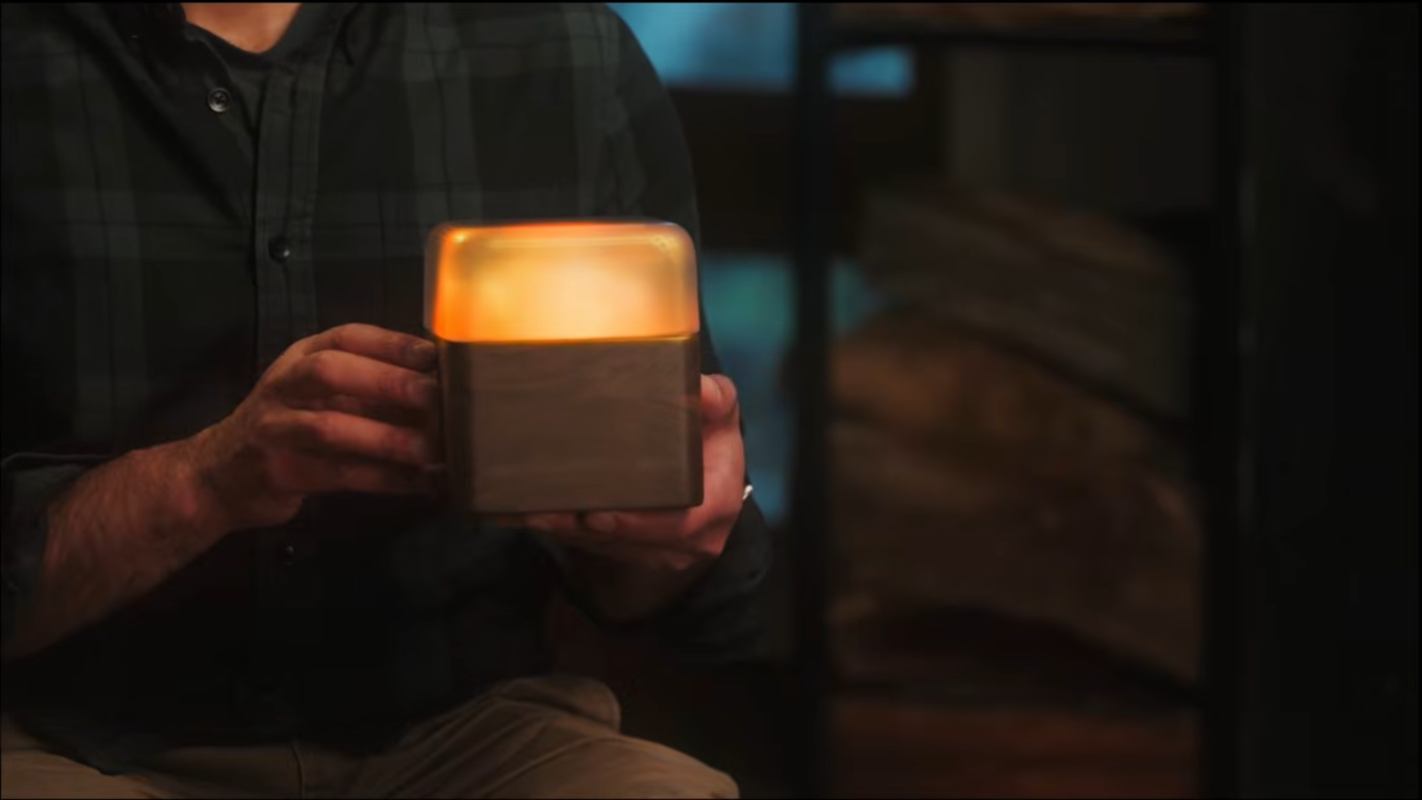
Woodstove Safety Monitor: Oru System Alerts Users to Temperature Fluctuations
Discover how the Oru woodstove assistant helps prevent dangerous chimney fires by monitoring exhaust gas temperatures and alerting users to temperature changes.
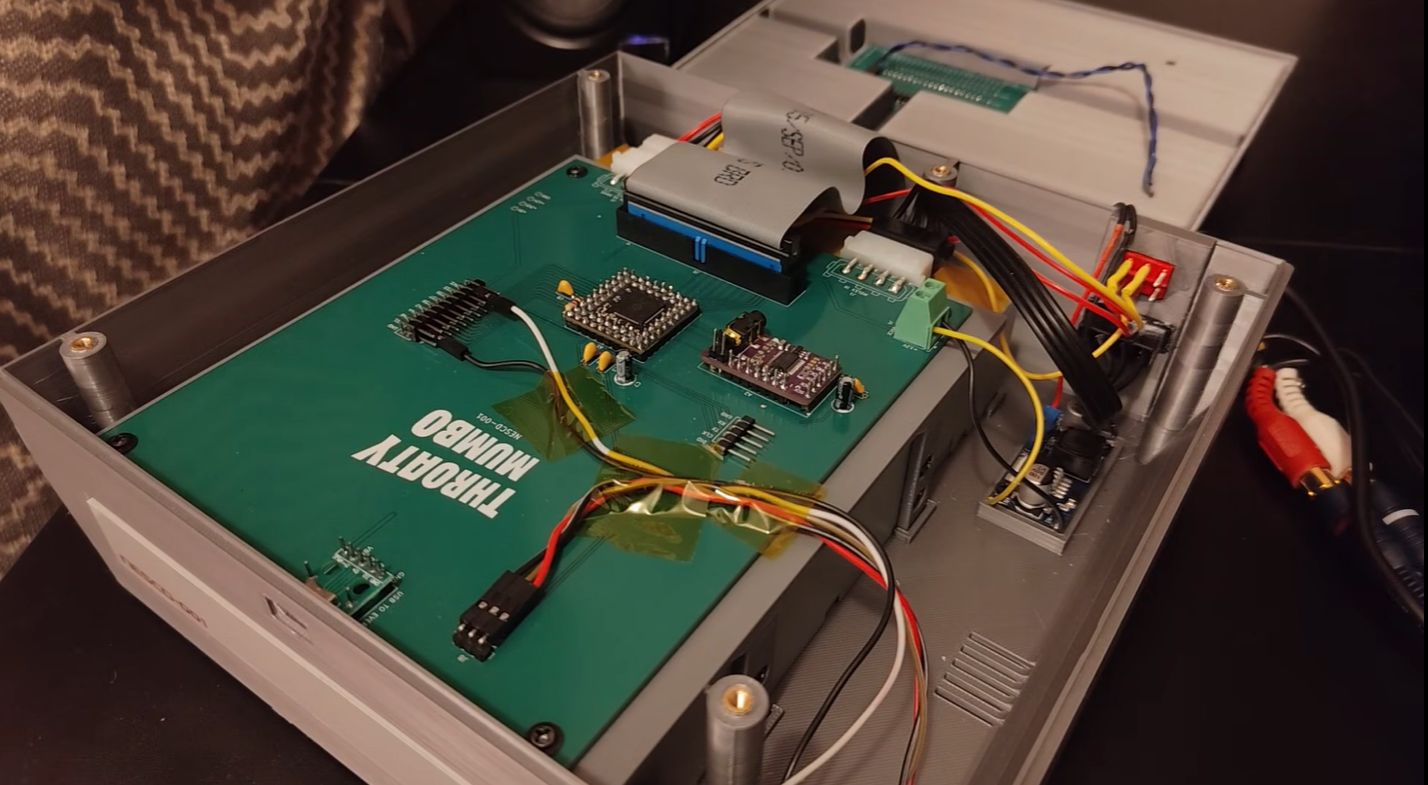
NES CD Add-On Revives 1980s Gaming with Optical Storage
Explore how a DIY project integrates a CD drive with the NES using an RP2350B microcontroller and Everdrive N8 Pro for expanded storage and audio playback.

Mumbai’s Vile Parle Cypher is giving unheard rappers a voice

Enrich and Ultimo impress

Karnataka CM Signals Review of 5% Park Land Amendment Bill in Assembly

