iPhone Ultra: Apple's foldable phone to debut with 3 key innovations
Apple's upcoming iPhone Ultra, set for a September 9 reveal, promises a crease-free display, ultra-thin design, and advanced liquid metal hinge technology.

Apple is set to reveal the iPhone Ultra on September 9, the company’s first foldable smartphone. The event will mark a milestone in the foldable market, which has been dominated by Samsung’s first device, the Galaxy Fold, launched in 2019. Apple’s new model is expected to address several long‑standing challenges that have plagued foldable phones: visible creases, bulkiness, battery life, and hinge durability.
The most publicized improvement is a virtually crease‑free inner display. Leaks indicate that the Ultra’s screen will be engineered so that, even when unfolded, a faint crease is either invisible or only detectable under particular lighting and viewing angles. This design goal follows years of speculation that Apple has been working to eliminate the visible crease that has become a hallmark of foldable phones. If successful, the Ultra could set a new standard for display aesthetics in the segment.
Battery and performance are also key focus areas. Apple has reportedly used the iPhone Air, released last year, as a developmental platform to test the thin‑foldable form factor. The Ultra is expected to carry a battery that, while not quite matching the endurance of the iPhone 18 Pro Max, will be sufficient for everyday use. The combination of the new A20 Pro and C2 chips—both built for high efficiency—along with a vapor‑circuit cooling system should deliver solid performance and manage heat effectively. The vapor chamber, a cooling technology that disperses heat through a sealed fluid, is anticipated to keep the device running smoothly even under heavy load.
A standout feature of the Ultra’s hinge is the use of liquid‑metal alloy. Apple first licensed this material more than 15 years ago and has long cited its potential to reduce thickness and weight. Early predictions from the 2010s suggested that liquid metal could enable a smoother, more durable hinge mechanism. Recent reports say the Ultra will incorporate the alloy to create a hinge that is both robust and capable of withstanding frequent folding and unfolding without degradation.
Apple’s decision to wait until now for a foldable iPhone is said to be driven by the company’s commitment to quality. The firm’s internal development timeline indicates that the Ultra’s design has reached a level of refinement that Apple believes will meet consumer expectations for a premium product. The timing of the September 9 launch, which will also showcase other devices in the iPhone lineup, suggests that the Ultra will be positioned as a flagship offering.
The launch event will also likely touch on the broader ecosystem, including the integration of the new chips and the user experience of a foldable form factor. While the Ultra’s exact specifications have not been officially disclosed, the company’s track record of delivering incremental hardware improvements suggests that the device will feature a high‑resolution display, advanced camera systems, and the latest iteration of iOS.
For consumers interested in purchasing the new device, Apple will continue to offer refurbished iPhones at a 15 % discount, a program that has been popular among buyers looking for savings on the latest hardware. The refurbished program provides fully refurbished units that undergo a rigorous testing process and come with a standard warranty.
In summary, Apple’s iPhone Ultra, slated for a September 9 unveiling, promises a crease‑free display, a balanced battery and performance profile powered by the A20 Pro and C2 chips, and a hinge that leverages liquid‑metal technology for durability and smooth operation. The device represents a significant step forward in foldable phone design and is expected to solidify Apple’s position in a market that has been dominated by Samsung for the past seven years.
Comments (0)
No comments yet — be the first to weigh in.

Energy biz SSE smacked around in court by a guy and AI
An Oxford doctoral student has defeated British energy provider SSE Energy Supply in court after utilizing artificial intelligence models to build his legal def...
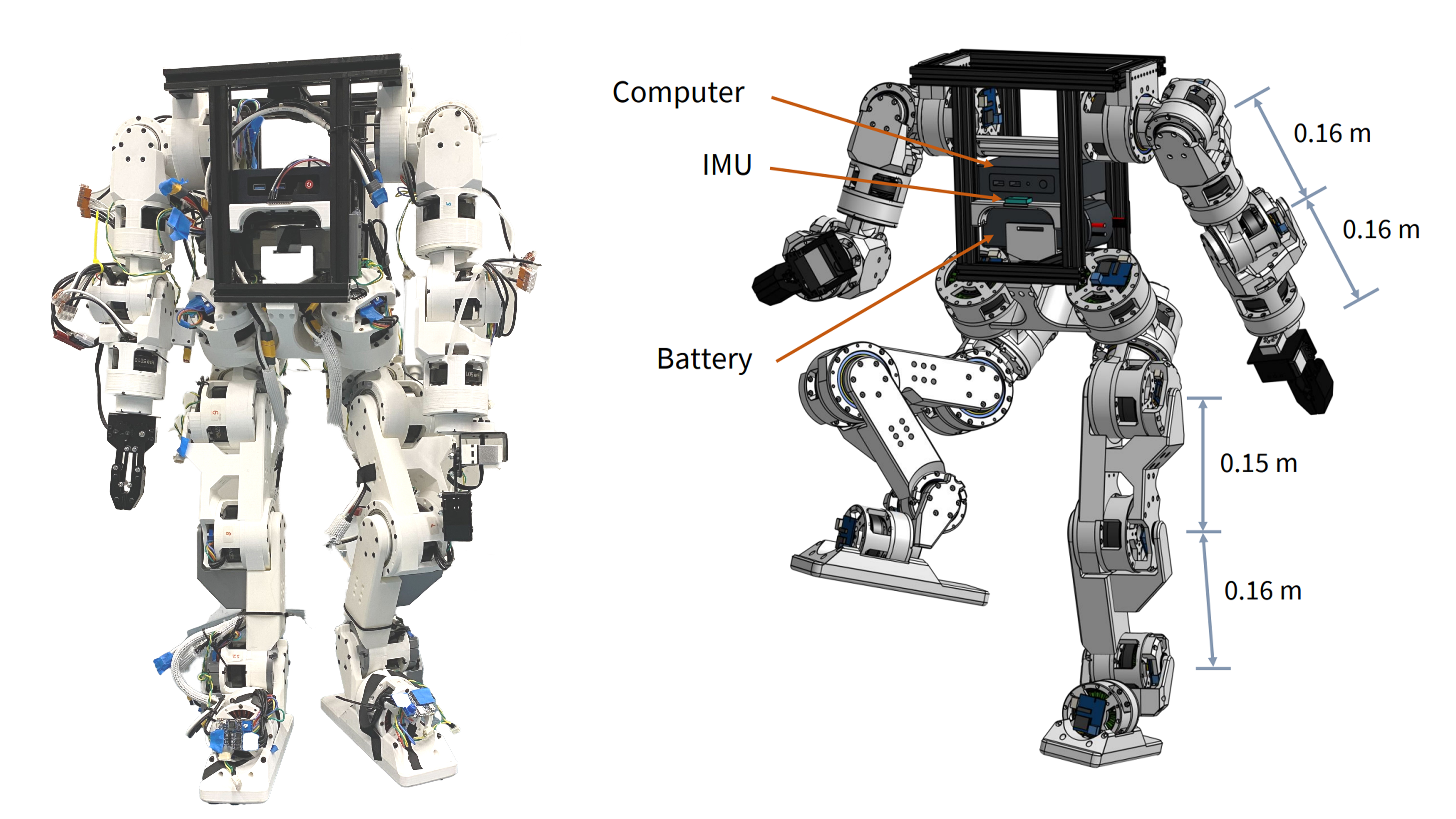
Berkeley Humanoid Lite: Affordable Open-Source Robot with DIY Actuators
Explore the Berkeley Humanoid Lite, a budget-friendly open-source robot featuring 3D-printed actuators under $5,000 USD. Learn how its modular design benefits DIY projects.

Woodstove Safety Monitor: Oru System Alerts Users to Temperature Fluctuations
Discover how the Oru woodstove assistant helps prevent dangerous chimney fires by monitoring exhaust gas temperatures and alerting users to temperature changes.
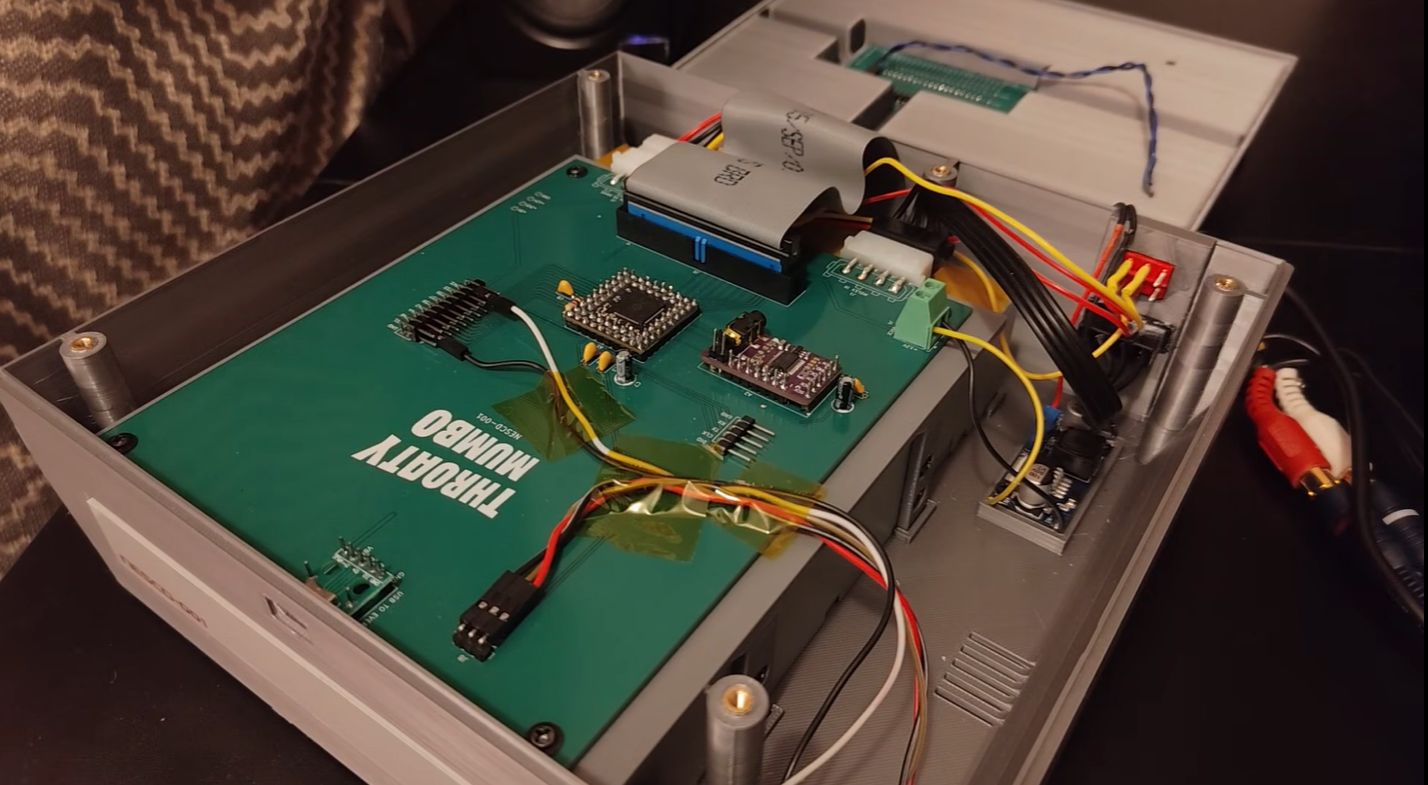
NES CD Add-On Revives 1980s Gaming with Optical Storage
Explore how a DIY project integrates a CD drive with the NES using an RP2350B microcontroller and Everdrive N8 Pro for expanded storage and audio playback.

Mumbai’s Vile Parle Cypher is giving unheard rappers a voice

Enrich and Ultimo impress

Karnataka CM Signals Review of 5% Park Land Amendment Bill in Assembly

