LM Studio Adds GLM-5.3-Flash to Bionic with Image Support & 1M-Token Context
LM Studio integrates Z.ai’s GLM-5.3-Flash into Bionic, offering multimodal input, 1M-token context, and 10x lower costs than GLM-5.2. Available now on Mac and Windows.

LM Studio announced that its AI agent platform, Bionic, now supports Z.ai’s GLM‑5.3‑Flash model, adding multimodal input, a one‑million‑token context window and a price that is up to ten times lower than its predecessor, GLM‑5.2. The update expands Bionic’s already growing catalog of models, which can run locally on a user’s Mac or Windows machine or be accessed through cloud servers located in the United States under a strict zero‑data‑retention policy.
The GLM‑5.3‑Flash model, also known as “Ox Alpha,” is a 320‑billion‑parameter mixture‑of‑experts architecture with 18 billion active parameters. It can process both text and image inputs and supports a context window of up to one million tokens, a significant increase over the 256‑k token limit of earlier models. According to Z.ai’s benchmark results, GLM‑5.3‑Flash outperforms GLM‑5.2 on a range of tests and sits competitively with frontier models from Anthropic, OpenAI, Google and DeepSeek.
LM Studio’s tweet on August 26, 2026, announced the new cloud support: “GLM‑5.3‑Flash by @Zai_org, aka Ox Alpha, is now live in LM Studio Bionic! This model surpasses GLM 5.2 in performance while being 9‑10x cheaper. It also supports image input. In Bionic, this model is served from US‑based servers with ZDR enabled by default. Happy building!” The company noted that the model can be accessed through Bionic’s cloud interface, which automatically enables ZDR (Zero‑Data‑Retention) for added privacy.
The update follows a series of model additions that began with the launch of Bionic in mid‑July. Within weeks, LM Studio added support for Moonshot AI’s Kimi K3 model, and more recently the company expanded its cloud offerings to include Z.ai’s GLM‑5.3‑Flash. The platform’s hybrid architecture allows developers and researchers to choose between running large models on local hardware—if they have the necessary GPU resources—or offloading inference to LM Studio’s US‑based servers.
GLM‑5.3‑Flash was officially unveiled by Z.ai earlier in the week, sparking interest from the developer community. The model has been independently tested on OpenCode and OpenRouter under the codename “Ox Alpha,” where it demonstrated higher accuracy and faster response times compared to GLM‑5.2. While the exact pricing tiers are not disclosed in the announcement, LM Studio’s statement that the model is “up to 10 times cheaper” suggests a significant cost advantage for users who previously relied on GLM‑5.2 or other large‑language‑model services.
Bionic’s new multimodal capabilities enable a range of use cases that extend beyond traditional text‑based tasks. Developers can now build agents that interpret images alongside textual prompts, making it possible to automate workflows that involve document analysis, visual data extraction, or image‑guided coding. The one‑million‑token context window also allows Bionic to maintain longer conversations or process larger documents without truncation, improving the continuity and relevance of generated responses.
The announcement comes at a time when the demand for affordable, high‑performance AI models is growing across industries. LM Studio’s focus on privacy—through its zero‑data‑retention policy for cloud models—aligns with regulatory trends that prioritize data protection. By offering a cloud‑hosted version of GLM‑5.3‑Flash that is both cheaper and privacy‑preserving, the company positions itself as a viable alternative to larger, more expensive providers.
Users who run local models on their Macs are encouraged to share their experiences in the comments. For those interested in integrating GLM‑5.3‑Flash into Bionic, LM Studio provides a link to documentation and setup instructions. The platform’s continued expansion suggests that it will remain a key player in the evolving landscape of AI agent development.
Comments (0)
No comments yet — be the first to weigh in.

Energy biz SSE smacked around in court by a guy and AI
An Oxford doctoral student has defeated British energy provider SSE Energy Supply in court after utilizing artificial intelligence models to build his legal def...
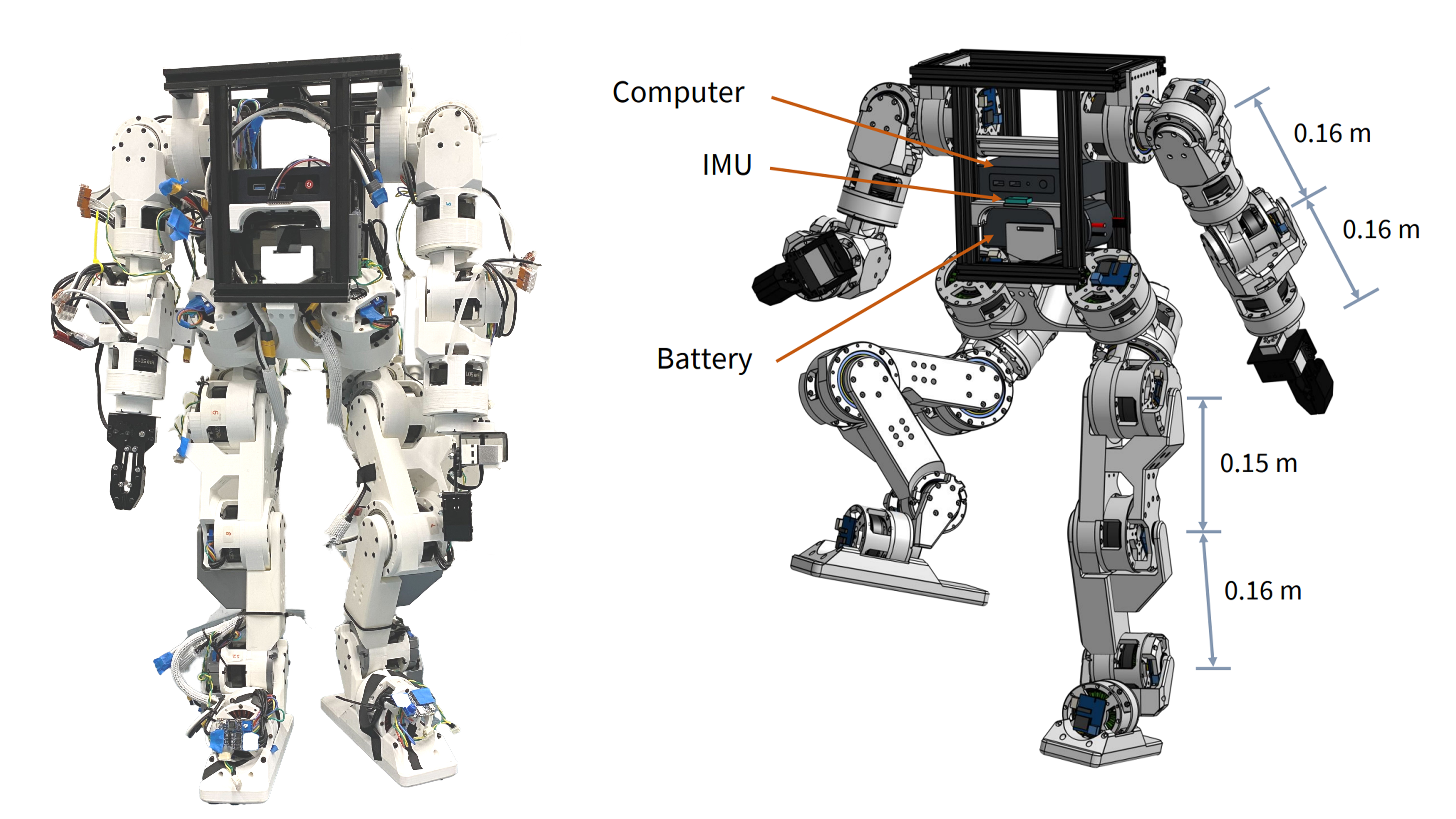
Berkeley Humanoid Lite: Affordable Open-Source Robot with DIY Actuators
Explore the Berkeley Humanoid Lite, a budget-friendly open-source robot featuring 3D-printed actuators under $5,000 USD. Learn how its modular design benefits DIY projects.

Woodstove Safety Monitor: Oru System Alerts Users to Temperature Fluctuations
Discover how the Oru woodstove assistant helps prevent dangerous chimney fires by monitoring exhaust gas temperatures and alerting users to temperature changes.
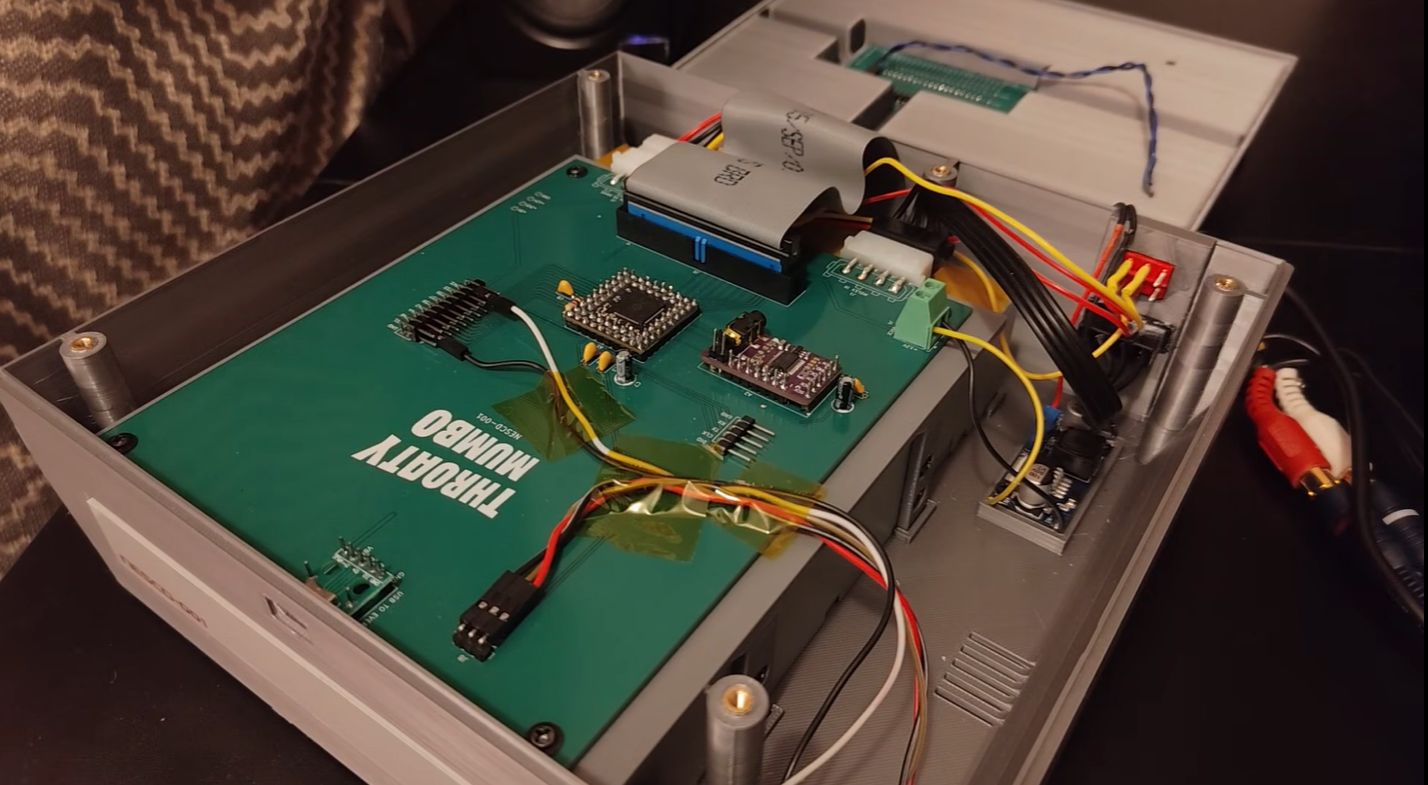
NES CD Add-On Revives 1980s Gaming with Optical Storage
Explore how a DIY project integrates a CD drive with the NES using an RP2350B microcontroller and Everdrive N8 Pro for expanded storage and audio playback.

Mumbai’s Vile Parle Cypher is giving unheard rappers a voice

Enrich and Ultimo impress

Karnataka CM Signals Review of 5% Park Land Amendment Bill in Assembly

