Long-Term Treasury Yields Surge, Wipe Out Effect of Bessent’s Hocus-Pocus Treasury Buybacks in 2 Days. Bond Market Not to Be Played With
Long-term Treasury yields surged Friday, reversing the brief impact of recent interventions aimed at suppressing borrowing costs. The 30-year Treasury yield climbed 4 basis points to 5.27%, fully erasing a 10-basis-point dip that followed a Treasury buyback announcement Wednesday. Similarly, the 10-year yield rose 5 basis points to 4.74%, returning to levels seen before the intervention.
Market analysts note that the bond market rejected attempts to artificially lower yields, which had temporarily dipped following two government-led initiatives in August. The first intervention—a joint U.S.-Japan currency intervention—initially pushed yields down, but they rebounded within two weeks. The second, an announcement doubling Treasury buybacks, had an even shorter-lived effect, erased in just two days.
The failure of these measures underscores deeper concerns in the bond market. Investors have grown cautious amid rising fiscal deficits, inflation risks, and the government’s need to issue nearly $1 trillion in new debt every few months. Treasury auctions have struggled to attract sufficient demand without offering higher yields, which now stand near multi-decade highs.
Analysts attribute the rise in yields to structural factors rather than market dysfunction. The government’s heavy borrowing—driven by persistent deficits and increased spending—has forced investors to demand higher returns to absorb the new debt. Competing demand from AI-related investments has further tightened conditions in the bond market.
The Federal Reserve’s prolonged period of low interest rates, which artificially suppressed yields for years, has also contributed to current volatility. Treasury securities issued at ultra-low yields during the pandemic are now trading at steep losses, with some investors facing losses exceeding 50% in market value.
While yields remain historically low by pre-2008 standards, they are elevated compared to the Fed’s post-financial crisis policies. The current environment reflects a return to more traditional market dynamics, where investors price in fiscal sustainability and inflation risks.
The failed interventions highlight the limits of jawboning and signaling in influencing bond markets. Treasury officials, including those involved in debt management, face growing pressure to address structural fiscal imbalances. However, political gridlock in Washington has limited meaningful deficit reduction efforts, leaving the market as the primary disciplining force.
Market watchers warn that continued reliance on unconventional tactics risks eroding investor confidence. If buyers perceive such measures as attempts to mask underlying problems, they may demand even higher yields to compensate for perceived risks. The bond market, they say, cannot be easily manipulated—and those who try may face swift reprimand.
Comments (0)
No comments yet — be the first to weigh in.

Free School Uniform Swap Shop Saves Welsh Families £50m Annually
A Cardiff father's school uniform swap shop initiative has grown to 200 schools, helping Welsh families save £50m yearly while promoting sustainability and reducing clothing waste.

Poland, US Explore Permanent Military Bases: Defense Talks Underway
Poland and the US are discussing permanent American military bases in Poland, focusing on defense capabilities rather than troop numbers. Nuclear warheads are not part of the plans.

Taxpayers Lost $65B to Obamacare Fraud in 2024; Feds Crack Down
A Paragon Health Institute report reveals $65 billion in taxpayer losses due to Obamacare and Medicaid fraud in 2024, with improper enrollments rising in 2025.
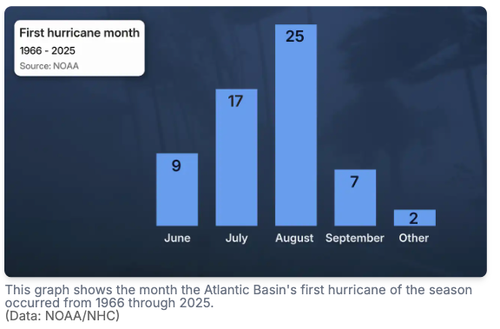
El Niño Delaying 2026 Atlantic Hurricane Season as Dolly Nears Florida
El Niño's wind shear suppresses 2026 Atlantic hurricane activity, delaying first hurricane as Tropical Storm Dolly's remnants approach Florida and the Caribbean.

Mumbai’s Vile Parle Cypher is giving unheard rappers a voice

Enrich and Ultimo impress

Karnataka CM Signals Review of 5% Park Land Amendment Bill in Assembly

