M6 release schedule: Here’s every new Mac and iPad launching next

Apple has introduced its next‑generation M6 silicon in the new Mac mini, and industry analysts expect several other Macs and iPads to receive the chip in the coming months. The M6, built on a 2‑nanometer process, promises significant gains in performance and power efficiency over its predecessor, the M5. The first wave of M6‑powered devices is projected for the fall of 2024 and early 2025, with additional models slated for 2027.
In the fall, Apple is likely to launch two new M6 Macs. The first is the 14‑inch MacBook Pro base model. According to reports from Mark Gurman, Apple will not equip the higher‑end 16‑inch Pro or Max variants with the M6; those will receive the next‑generation M7 Pro and M7 Max chips in 2027. The second fall release is a refreshed iMac that will feature the M6 chip but otherwise keep its current design, aside from a rumored new color palette. The upgrade from the M4 to the M6 is expected to justify the refresh, even though the iMac’s form factor remains unchanged.
The rumored MacBook Ultra, expected to launch in the fall, is projected to use M5 Pro and M5 Max chips instead of the M6, a decision that has drawn attention from enthusiasts who anticipate a more powerful processor in the next generation of the Ultra line.
The first 2027 devices anticipated to receive the M6 are the iPad Pro and the MacBook Air. Apple’s typical 18‑month upgrade cycle suggests a spring 2027 release for the iPad Pro, following its last update with the M5 chip in fall 2025. The new iPad Pro is expected to incorporate a vapor‑chamber cooling system, a feature that would enhance sustained performance in the ultra‑thin tablet. The MacBook Air is projected to arrive around the same time, possibly in March 2027, based on Apple’s historical release patterns. Design changes for the Air are minimal; the chassis will likely mirror the M5‑based model, and an OLED display upgrade is not expected until 2028.
Battery life could improve across both the iPad Pro and MacBook Air with the M6, as Apple emphasizes the chip’s enhanced power efficiency. The 2‑nanometer process is cited as a major leap in performance and energy savings, which could translate into longer usage times for consumers.
Apple’s strategy of staggering the introduction of new silicon across its product lines is evident in the planned rollout. The M6 will debut in the Mac mini, followed by the 14‑inch MacBook Pro and iMac in the fall, and then the iPad Pro and MacBook Air in 2027. Higher‑end MacBook Pro and Max models will skip the M6 entirely, moving directly to the M7 series. The MacBook Ultra will also bypass the M6, opting for M5 chips instead.
Consumers and reviewers are watching closely to see how the M6’s performance translates into real‑world use, especially in the ultra‑thin iPad Pro and the lightweight MacBook Air. Early reports suggest that the new silicon will offer a noticeable boost in speed and efficiency, but the lack of major design changes in the MacBook Air may limit the appeal for some buyers.
For those considering an upgrade, the timing of the releases may influence decisions. The Mac mini’s M6 launch is already underway, while the 14‑inch MacBook Pro and iMac are expected in the fall. The iPad Pro and MacBook Air will not arrive until 2027, potentially making a wait worthwhile for users seeking the latest processor technology. As Apple continues to refine its silicon roadmap, the M6’s impact on the company’s product ecosystem remains a key point of interest for tech enthusiasts and industry analysts alike.
Comments (0)
No comments yet — be the first to weigh in.

Energy biz SSE smacked around in court by a guy and AI
An Oxford doctoral student has defeated British energy provider SSE Energy Supply in court after utilizing artificial intelligence models to build his legal def...
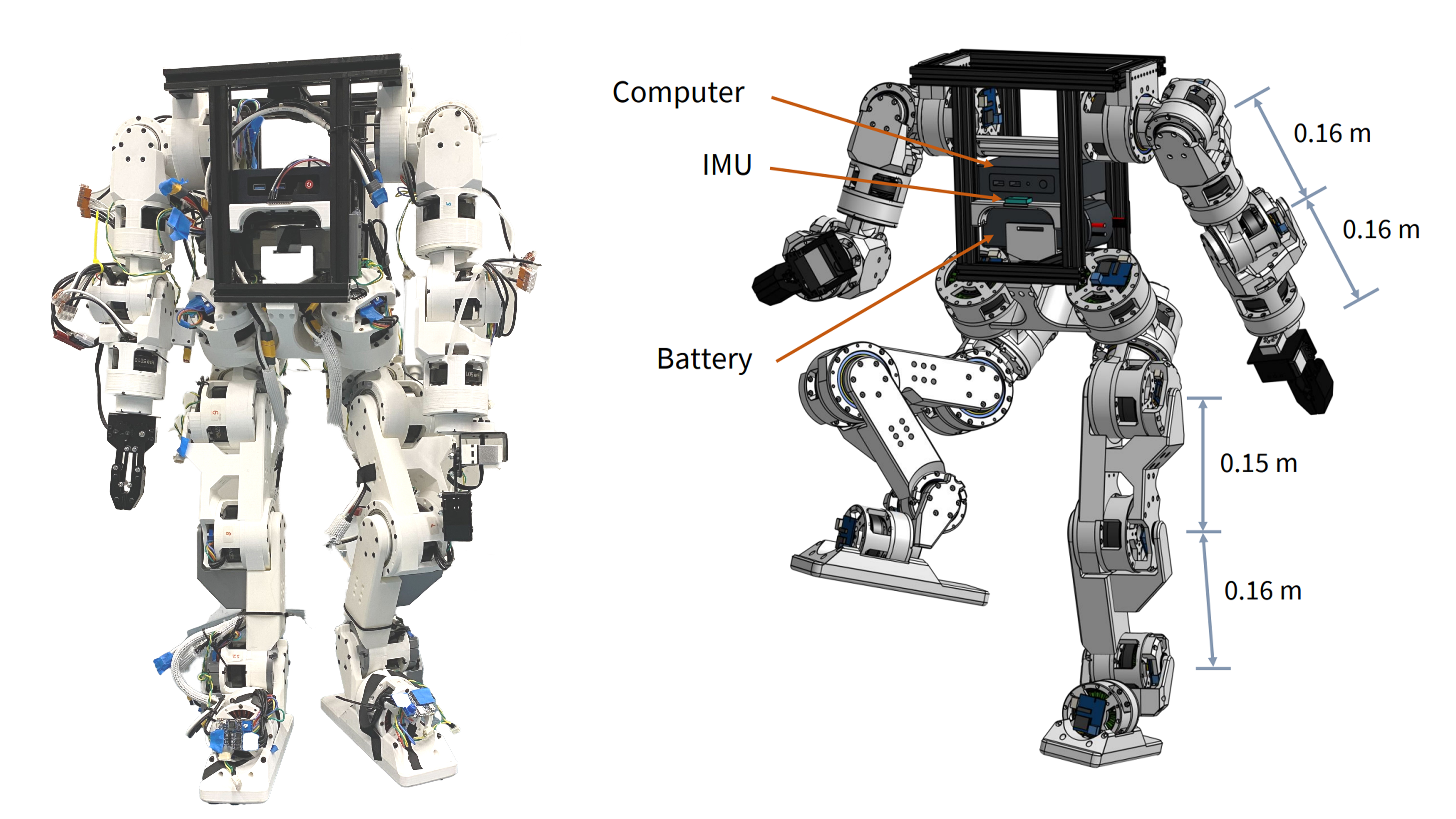
Berkeley Humanoid Lite: Affordable Open-Source Robot with DIY Actuators
Explore the Berkeley Humanoid Lite, a budget-friendly open-source robot featuring 3D-printed actuators under $5,000 USD. Learn how its modular design benefits DIY projects.

Woodstove Safety Monitor: Oru System Alerts Users to Temperature Fluctuations
Discover how the Oru woodstove assistant helps prevent dangerous chimney fires by monitoring exhaust gas temperatures and alerting users to temperature changes.
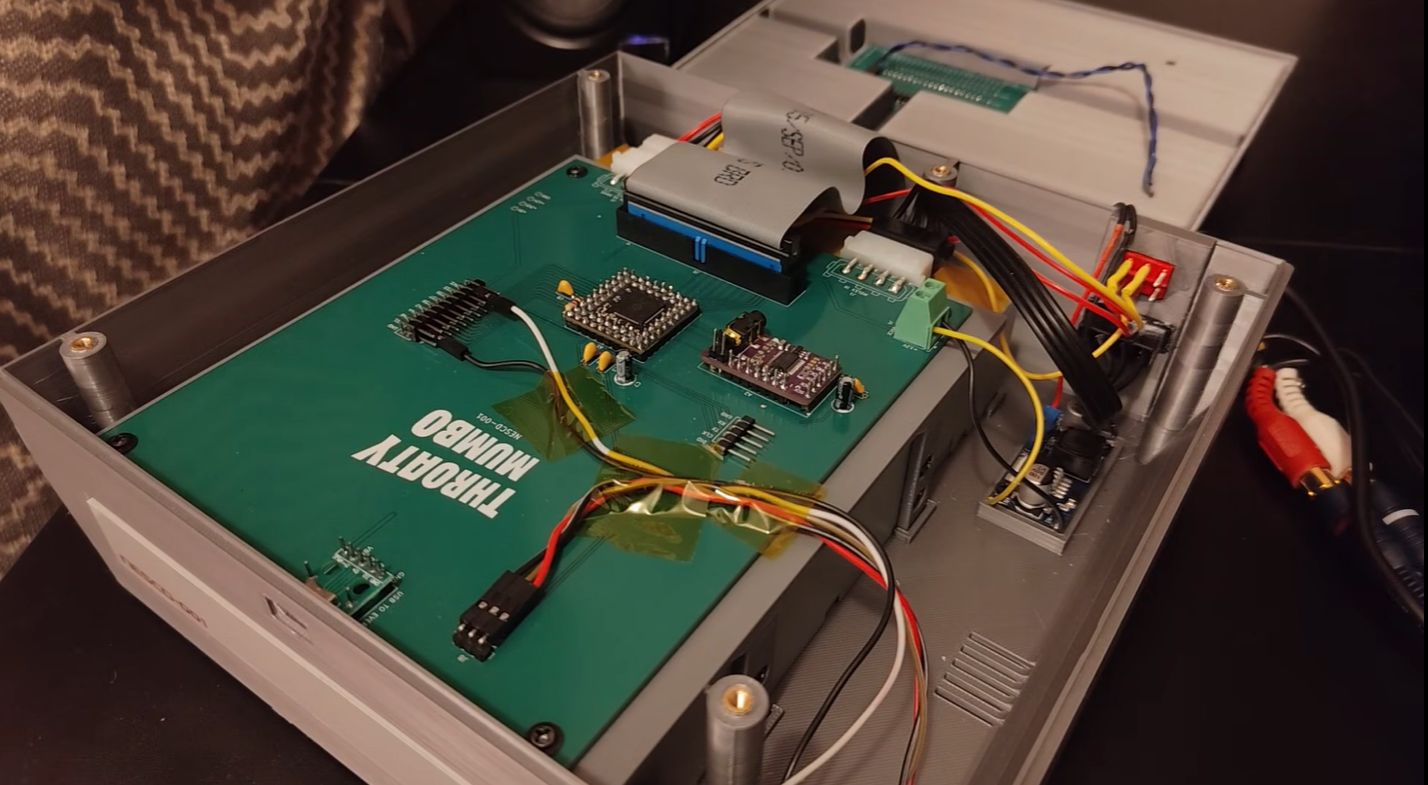
NES CD Add-On Revives 1980s Gaming with Optical Storage
Explore how a DIY project integrates a CD drive with the NES using an RP2350B microcontroller and Everdrive N8 Pro for expanded storage and audio playback.

Mumbai’s Vile Parle Cypher is giving unheard rappers a voice

Enrich and Ultimo impress

Karnataka CM Signals Review of 5% Park Land Amendment Bill in Assembly

