Mecca Pact: A New Gulf Security Deal, Not an Anti-Iran Alliance
The Mecca Joint Defense Agreement signed by Saudi Arabia, Turkey, and Pakistan is interpreted as an anti-Iran pact, but evidence suggests otherwise. Experts analyze its true implications.
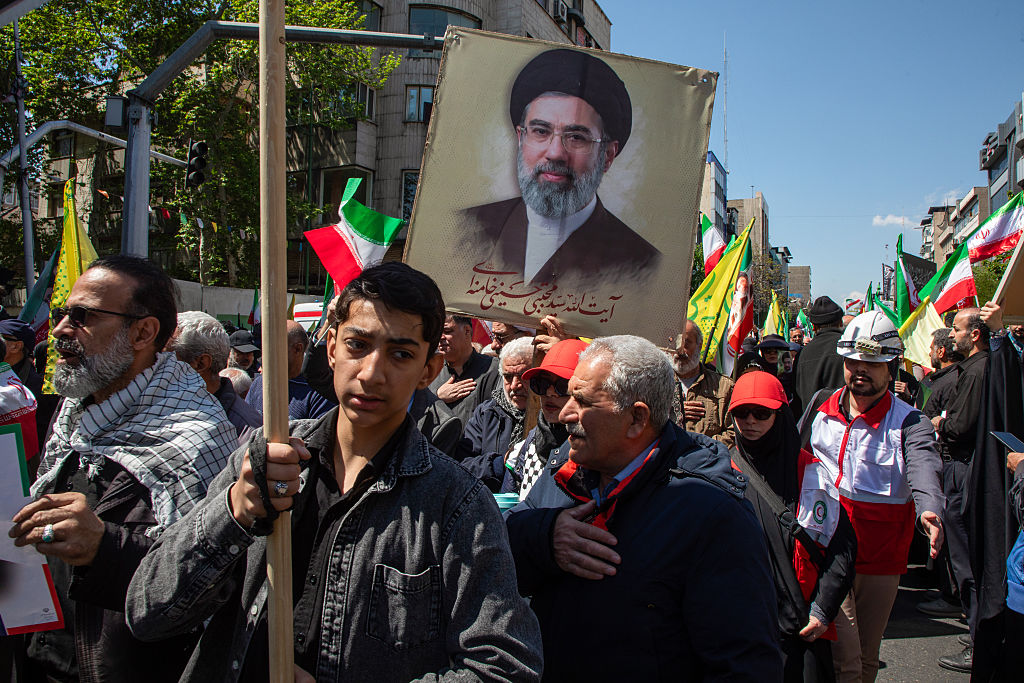
The Mecca Joint Defense Agreement, signed on August 7 by Saudi Crown Prince Mohammed bin Salman, Turkish President Recep Tayyip Erdogan, and Pakistani Prime Minister Shehbaz Sharif, establishes a mutual defense clause under which an armed attack against any one of the signatories is considered an attack against all. Initial reactions in Gulf capitals interpreted the pact as a Sunni-led effort to counter Iran, given the recent regional conflict that began with the assassination of Iran's Supreme Leader Ali Khamenei and subsequent military strikes. However, analysts suggest this interpretation may be premature and potentially misleading for U.S. strategic assessments in the Gulf.
Iran’s response to the agreement did not reflect alarm. Foreign Minister Abbas Araghchi called for greater unity among Muslim states and emphasized reliance on their own capabilities rather than issuing threats. Foreign ministry spokesman Esmaeil Baghaei similarly downplayed the pact’s relevance to Iran, framing it instead as a shift in perceptions about Washington’s role. Even a hardline lawmaker, Ebrahim Rezaei, dismissed it as ineffective, comparing it unfavorably to past reliance on U.S. security guarantees.
Pakistan’s subsequent actions further undermined the notion of an anti-Iran coalition. Days after the agreement, Pakistan’s interior minister traveled to Tehran to brief Iranian leaders on its terms. Such a move would be unusual if Islamabad intended to isolate Iran militarily. Pakistan had also played a mediating role during the recent conflict, relaying communications between Washington and Tehran and helping broker the April ceasefire. Maintaining a functional relationship with Iran is critical for Pakistan, which shares a 900-kilometer border with the country and hosts a significant Shia population. Engaging Iran directly after signing the pact suggests that Islamabad does not view the agreement as hostile toward Tehran.
The characterization of the pact as a “Muslim NATO” is also misleading. A true collective defense framework in the Muslim world would logically include Iran, the region’s largest Shia-majority country. Instead, the agreement is framed by geography and demographics rather than religious doctrine. Turkish Foreign Minister Hakan Fidan has indicated that Egypt could eventually join, reinforcing the idea that participation is based on strategic circumstances rather than religious affiliation.
Tehran has acknowledged this distinction. In August 2025, Iranian President Masoud Pezeshkian traveled to Islamabad to revive a long-dormant security framework linking Iran, Pakistan, and Turkey, only to find that two of those partners—along with Saudi Arabia—had formed a new pact without Iran’s involvement. Iran’s concern is not the existence of the alliance but its exclusion from the process.
The nuclear dimension of the agreement also merits attention. Pakistan possesses approximately 170 nuclear warheads, developed and deployed in response to perceived threats from India. The Mecca pact does not alter this posture or extend a nuclear umbrella to Saudi Arabia against Iran. However, the formalization of defense ties between a nuclear-armed state and two major U.S. arms clients warrants scrutiny on its own terms.
Economic considerations further weaken the argument that the pact is aimed at Iran. The recent conflict severely disrupted global oil supplies, particularly through the Strait of Hormuz, which carries nearly one-fifth of the world’s oil. While Gulf states suffered financial losses, Iran—already under sanctions and naval blockades—was among the least able to withstand additional economic strain. A state facing such constraints would be unlikely to provoke further conflict with a neighbor like Pakistan, which serves as Iran’s diplomatic conduit to the West.
For Washington, the broader significance of the Mecca agreement lies in the Gulf’s broader shift toward strategic autonomy. This trend predates the pact and reflects a growing recognition among regional states that reliance on the U.S. offers limited protection. Saudi Arabia’s decision to pursue defense cooperation with Pakistan followed an Israeli strike on Doha, a Gulf capital hosting a major U.S. military base, which the American security umbrella failed to prevent. Similar hedging behavior is evident in Turkey, a NATO member that is increasingly pursuing independent defense strategies.
Former U.S. President Donald Trump welcomed the pact, framing it as evidence that Middle Eastern states are assuming greater responsibility for their own security. His remarks underscore a long-standing U.S. policy encouraging allies to reduce dependence on American military support. The Mecca agreement may signal a new phase in regional security architecture, one where Gulf states prioritize self-reliance over external guarantees.
Whether the pact ultimately functions as a deterrent or a point of division will depend on whether its signatories maintain cohesion once the immediate conflict subsides. Just as importantly, Washington’s continued arms sales and assurances to these states may determine how much influence the U.S. retains in shaping the pact’s evolution. The agreement’s true significance may lie less in its legal text and more in what it reveals about shifting power dynamics in the Middle East.
Comments (0)
No comments yet — be the first to weigh in.

Iran-US Tensions Escalate Amid Hormuz Strait Crisis – Live Updates
Iranian President Pezeshkian seeks diplomatic solutions with global leaders at SCO summit in Kyrgyzstan amid rising US tensions over Hormuz Strait.

Search continues for 18 passengers after ferry capsized in northern Cyprus
Search and rescue operations are continuing off the coast of Kyrenia in northern Cyprus after a passenger ferry capsized and sank on Sunday, leaving at least ei...

Swiss Man Arrested After Deadly Rave Shooting Kills Italian Woman
A 43-year-old Swiss suspect has been arrested after a shooting at a techno rave in Aarau left one woman dead and several others injured. Authorities continue their investigation.

England attack's 2005 comparisons fair - Trescothick
England’s new pace attack is drawing comparisons to the legendary Ashes-winning quartet of 2005, according to interim head coach Marcus Trescothick. The current...

Mumbai’s Vile Parle Cypher is giving unheard rappers a voice

Enrich and Ultimo impress

Karnataka CM Signals Review of 5% Park Land Amendment Bill in Assembly

