Mental Health Care Parity Still Elusive Despite Policy Efforts
Despite federal and state efforts, mental health care access remains unequal. Millions go untreated due to cost, shortages, and systemic barriers, disproportionately affecting vulnerable groups.

Despite decades of reforms, significant gaps persist in access to mental health care across the United States, leaving millions without adequate treatment despite growing national awareness of the issue.
In recent years, mental health care has gained mainstream attention. President Biden has proposed nationwide service expansions, public figures have shared their struggles openly, and states have introduced incentives to grow the behavioral health workforce. Employers are increasingly offering mental health leave, and telehealth services are expanding rapidly. Yet surveys consistently show that many Americans believe treatment is either unavailable or prohibitively expensive.
An estimated one in five Americans has a mental health condition, but more than half receive no treatment at all. This disparity reflects long-standing systemic failures rather than a recent crisis. After large-scale deinstitutionalization in the mid-20th century, community-based mental health services were intended to replace institutional care. However, persistent stigma and chronic underfunding left these services under-resourced, failing to meet growing demand.
In 1996, the first federal parity law was enacted, requiring insurance providers to cover mental health care at the same level as medical and surgical care. Subsequent legislation in 2008 and the Affordable Care Act of 2010 expanded these protections. Despite these laws, enforcement remains weak. Insurers frequently deny coverage, impose visit limits, or charge higher out-of-pocket costs for mental health services compared to physical health care. Many patients, unaware of their rights, forgo treatment entirely.
A 2022 investigation by the Carter Center and the Center for Public Integrity, through the Mental Health Parity Collaborative, revealed widespread violations. Over two years, 32 news outlets across nine states published more than 70 reports, prompting legal action and policy changes while highlighting access barriers and potential solutions.
Access to care has worsened as demand has risen. Provider shortages lead to months-long wait times, and patients often struggle to find in-network mental health professionals. One recent study found that patients were ten times more likely to seek out-of-network psychological care than medical care, typically at significant personal expense.
In Texas, which ranks near the bottom nationally for mental health access, 251 of 254 counties are designated by the federal government as mental health professional shortage areas. Families report being told to return the next day or call back later, only to be left waiting indefinitely. Similar issues plague other states, including Colorado, where inaccurate provider directories—known as "ghost networks"—leave patients unable to reach listed therapists.
Even when providers are available, financial barriers persist. Many therapists refuse insurance due to low reimbursement rates, which often fail to cover operational costs like rent, documentation, and billing. Some practitioners can earn twice as much by treating patients privately. "It’s truly the Wild West because insurance companies make the rules, make the changes, and don’t really think about the ramifications," one Illinois counselor said.
For children and adolescents, the crisis is particularly acute. Families increasingly rely on schools for care, but staffing shortages are severe. In Georgia, there are approximately 6,390 students per school psychologist and 5,272 per school social worker. Outside of schools, access to child psychiatrists is even more limited, with only about eight psychiatrists available per 100,000 children statewide.
Colleges face similar challenges. At the University of Illinois Chicago, 24 providers—including temporary trainees—serve over 29,000 students, leading to long waitlists for intake sessions. In Illinois, untrained faculty have reportedly filled service gaps, raising concerns about care quality.
For families with high-need children, the situation has become dire. In Oklahoma, some parents have sent children out of state for residential treatment or relied on emergency rooms due to the lack of local options. In the 2023 fiscal year, the state spent over $5 million to place 49 children in out-of-state facilities. Others have resorted to relinquishing custody of their children to access care—a situation one parent described as unacceptable, especially when compared to treatment for physical illnesses.
Disparities are most pronounced among low-income individuals, communities of color, immigrants, and rural residents. Federal studies have shown that people of color receive less care and lower-quality services. In some states, pharmacies have denied prescriptions for substance use treatment to marginalized populations. Arizona has implemented policies that restrict immigrants' access to care, and Texas has passed regulations limiting gender-affirming care for transgender individuals.
In Arizona, a Medicaid fraud scheme that targeted behavioral health providers disproportionately impacted Indigenous communities. While state officials intervened, many affected individuals were left without critical services for life-threatening conditions.
Rural communities face compounded challenges, including a severe shortage of mental health professionals and limited broadband access, which restricts telehealth options. Providers are often reluctant to practice in areas where patients must travel long distances, further isolating residents in need.
Experts emphasize that mental health disparities are connected to broader social factors such as food insecurity, housing instability, unemployment, and poverty. "If you think about food insecurity, if you think about housing insecurity, if you think about the underinsured and unemployment, poverty, all of those things are clearly linked in studies to mental health outcomes," said Dr. Enrique Neblett, Jr., a professor of health behavior and health education at the University of Michigan.
Despite incremental progress, the mental health care system remains fragmented and under-resourced, leaving millions without the support they need.
Comments (0)
No comments yet — be the first to weigh in.

Middlesbrough's Crime Crisis: Decades of Failed Policies Unleash Chaos
Former Middlesbrough mayor Andy Preston blames decades of lenient crime policies for the town's recent surge in gang violence and lawlessness.

Google Maps Renames Lake Ontario to 'Lake America' Following Trump Order
Google Maps now displays 'Lake America' in the US, replacing 'Lake Ontario' after Trump's executive order amid trade tensions with Canada. Canadians still see the original name.

Pentagon Warns Pentagon Chiefs: Iran War Unsustainable, Threatens U.S. Readiness
Classified assessment reveals Pentagon chiefs warn Defense Secretary Pete Hegseth that the Iran war is unsustainable and drains U.S. military resources and readiness.
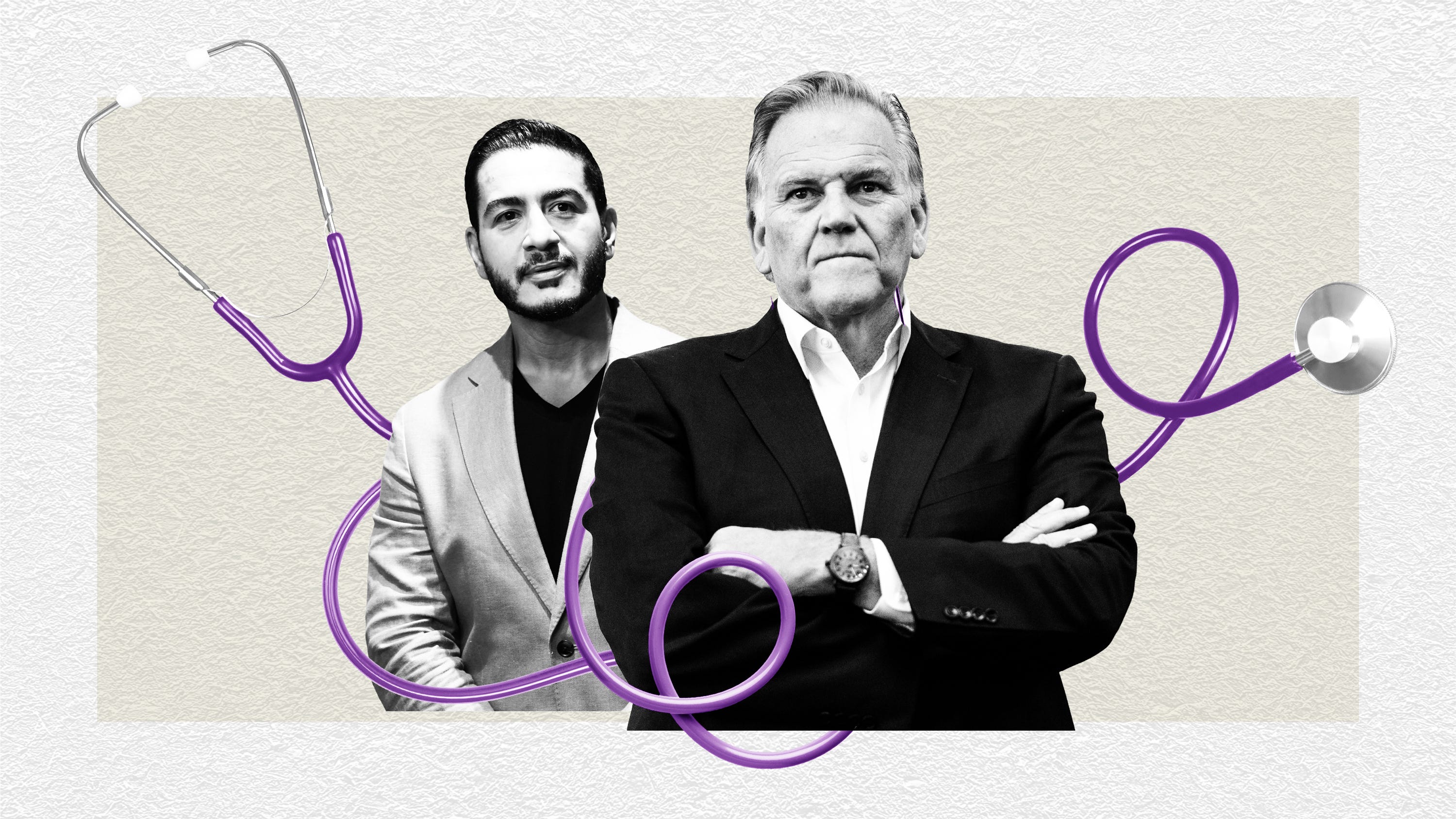
Mike Rogers Proposes $50 Copays for Routine Health Screenings, Critics Warn of Risks
Former Congressman Mike Rogers suggests $50 copays for routine screenings, sparking debate over healthcare costs and access. Critics highlight potential risks.

Mumbai’s Vile Parle Cypher is giving unheard rappers a voice

Enrich and Ultimo impress

Karnataka CM Signals Review of 5% Park Land Amendment Bill in Assembly

