Meta's $18B Settlement: A Turning Point in Social Media Regulation
Meta agrees to a landmark $18B settlement over allegations of harmful practices targeting children. This could mark a significant shift in curtailing the platform's exploitative business model.
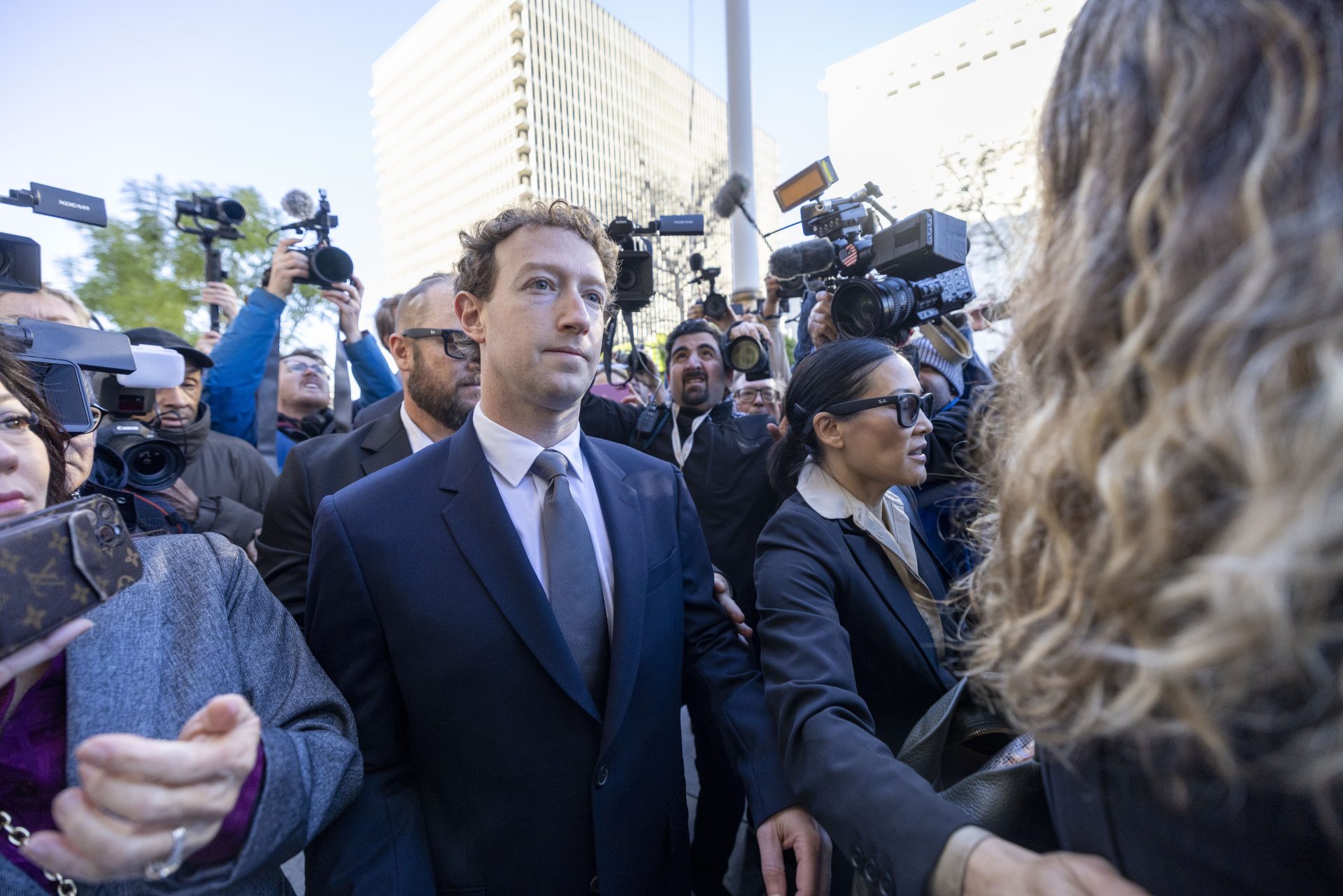
Meta Reaches $18 Billion Settlement Over Child Safety Concerns
SAN FRANCISCO — Meta, the parent company of Facebook, Instagram, and WhatsApp, has agreed to a landmark $18 billion settlement with 29 states, resolving allegations that it deliberately designed addictive products targeting children, despite knowing the harms they caused.
The settlement, announced by California Attorney General Rob Bonta, marks the culmination of a lawsuit that accused Meta of violating state and federal laws by harvesting data from children under 13 without parental consent. While the agreement does not hold CEO Mark Zuckerberg personally liable, it imposes sweeping changes to the company’s platforms to enhance child safety.
Under the terms of the settlement, Meta will implement a two-hour daily time limit for users under 18, disable notifications during school hours, impose an overnight block from midnight to 6 a.m., and strengthen age verification measures. Additionally, the company will eliminate the "like" feature as it exists today, a change intended to reduce engagement-driven feedback loops that critics argue contribute to anxiety and depression in young users.
The lawsuit, filed in October 2023, alleged that Meta’s algorithms were engineered to prioritize harmful content, including material that could influence self-harm or suicidal behavior. Internal documents cited in the case suggested that company executives were aware of these risks but proceeded with strategies that maximized user engagement and advertising revenue.
"This settlement sends a clear message: Meta’s pursuit of profit cannot come at the expense of our children’s well-being," Bonta said in a statement. "The changes we have secured will make social media safer for young users across the country."
While $18 billion is a record sum for a social media-related lawsuit, it represents a fraction of Meta’s annual revenue, which exceeded $130 billion in 2023. The company’s advertising-driven business model, established in 2008 with the hiring of former Google executive Sheryl Sandberg, has long relied on extensive data collection to refine ad targeting. Critics argue that this model inherently incentivizes exploitative practices, particularly when directed at vulnerable users.
Meta’s recent ventures, including its failed Metaverse initiative and AI-powered smart glasses, have contributed to cumulative operating losses of approximately $80 billion since 2020. Despite these setbacks, Zuckerberg retains near-total control over the company through his majority voting rights, retaining just 14% of shares.
The settlement reflects a broader shift in regulatory scrutiny toward tech giants, particularly concerning their impact on younger users. In 2022, internal Facebook research—leaked by whistleblower Frances Haugen—revealed that Instagram worsened body image issues among teenage girls. The company has since faced multiple lawsuits and congressional hearings on child safety.
Meta has pledged to comply with the settlement terms, stating in a blog post that it remains committed to "providing safe, age-appropriate experiences" for young users. However, advocates for digital safety question whether voluntary changes will be sufficient to curb Meta’s longstanding practices.
Shoshana Zuboff, whose 2019 book *The Age of Surveillance Capitalism* examined Meta’s data-driven business model, called the settlement a "necessary but insufficient" step. "The real issue is not just about limiting screen time," she said in an interview. "It’s about dismantling a system that profits from predicting and manipulating human behavior."
As part of the agreement, Meta will also fund digital literacy programs in schools and support research into the psychological effects of social media on adolescents. The settlement remains subject to court approval, with final terms expected to be finalized in the coming months.
Comments (0)
No comments yet — be the first to weigh in.

Middlesbrough's Crime Crisis: Decades of Failed Policies Unleash Chaos
Former Middlesbrough mayor Andy Preston blames decades of lenient crime policies for the town's recent surge in gang violence and lawlessness.

Google Maps Renames Lake Ontario to 'Lake America' Following Trump Order
Google Maps now displays 'Lake America' in the US, replacing 'Lake Ontario' after Trump's executive order amid trade tensions with Canada. Canadians still see the original name.

Pentagon Warns Pentagon Chiefs: Iran War Unsustainable, Threatens U.S. Readiness
Classified assessment reveals Pentagon chiefs warn Defense Secretary Pete Hegseth that the Iran war is unsustainable and drains U.S. military resources and readiness.
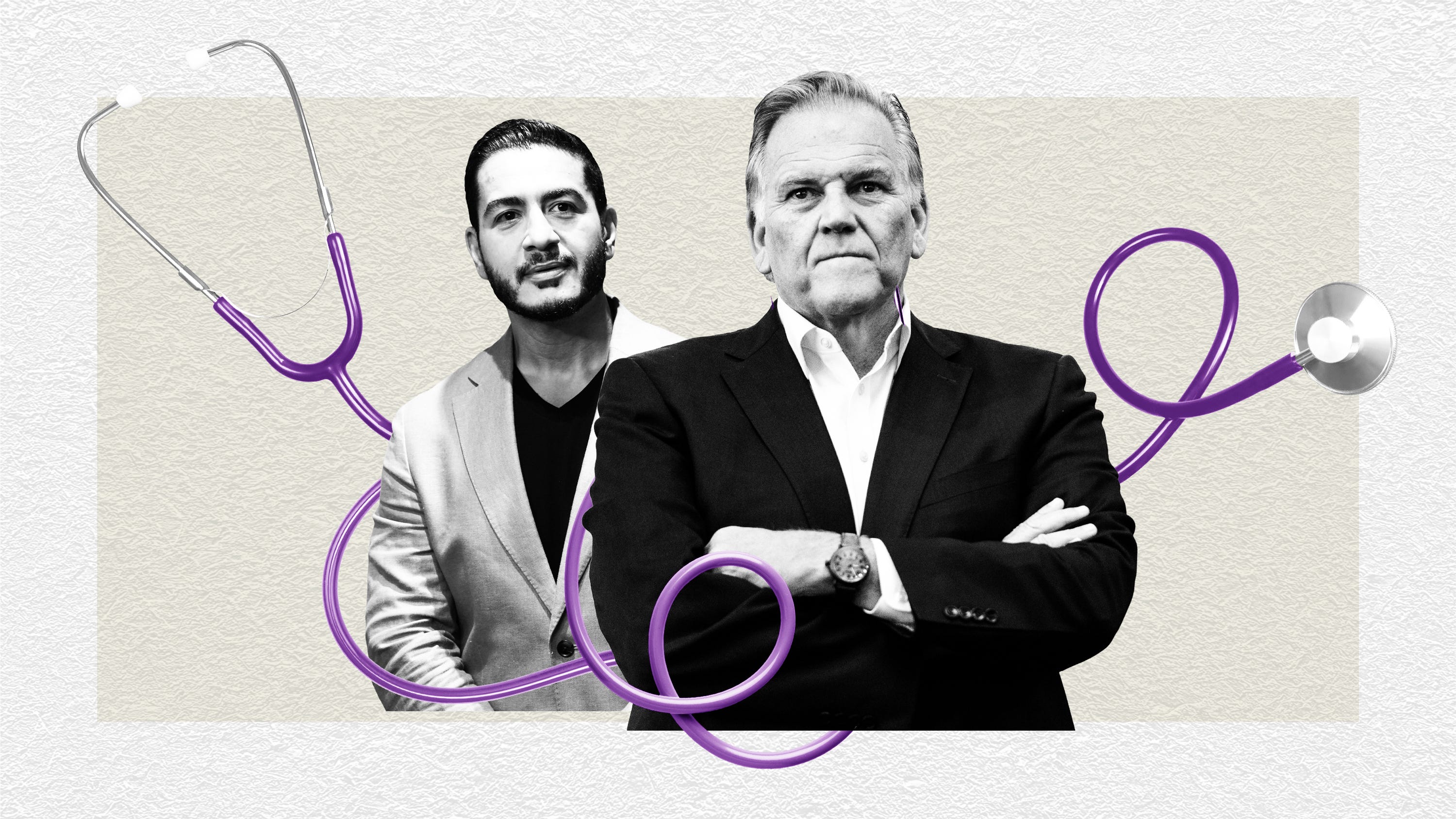
Mike Rogers Proposes $50 Copays for Routine Health Screenings, Critics Warn of Risks
Former Congressman Mike Rogers suggests $50 copays for routine screenings, sparking debate over healthcare costs and access. Critics highlight potential risks.

Mumbai’s Vile Parle Cypher is giving unheard rappers a voice

Enrich and Ultimo impress

Karnataka CM Signals Review of 5% Park Land Amendment Bill in Assembly

