Midterm Elections 2024: Why Trump’s Unpopularity Could Decide Races
Democrats aim to leverage Trump's low approval ratings in the 2024 midterms, framing Republicans as giving him an 'A' grade to sway voters against GOP candidates.
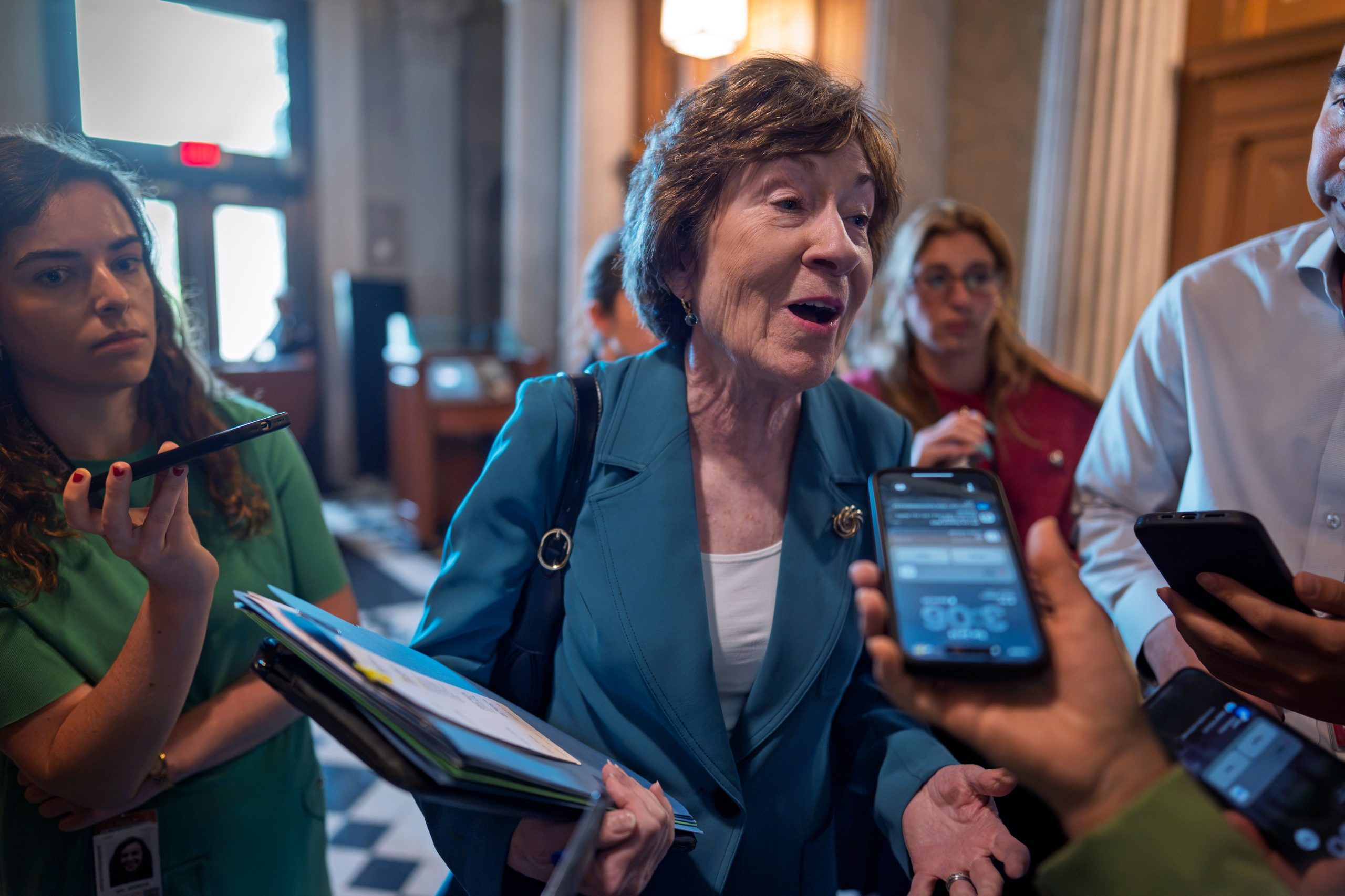
In the upcoming midterm elections, the margin of victory for Democrats could significantly alter the political landscape, with consequences extending beyond the 2022 vote count. A decisive Democratic win would likely shift the national focus toward accountability for the Trump administration, while a narrow victory could plunge the country into a prolonged constitutional crisis, given former President Donald Trump's refusal to accept defeat.
Historically, midterm elections serve as a referendum on the sitting president, with the president's party typically losing seats. Exceptions to this trend include sixth-year midterms, such as Thomas Jefferson in 1806 and Bill Clinton in 1998, when voters defied expectations. Analysts suggest this year's midterms resemble the 2006 elections, when Democrats gained seats in both the House and Senate during George W. Bush's presidency.
Former President Trump's unpopularity has reached levels comparable to those of Richard Nixon in 1974 and Jimmy Carter in 1979, with national approval ratings hovering around 33 to 34 percent. This disapproval is evident in states like Maine, where Senator Susan Collins is attempting to distance herself from Trump to appeal to voters. Collins has opposed Trump on key issues such as the U.S.-Canadian trade pact, mail-in ballots, and the nomination of Todd Blanche for attorney general. However, her efforts may not be enough, as critics point out that she has voted with Trump 95 percent of the time—a rate lower than other incumbent Republican senators running for reelection. Studies show that 89 percent of Republican lawmakers have backed Trump 100 percent of the time on critical votes.
To counter this, Democrats must find a way to highlight Republican lawmakers' allegiance to Trump in a memorable and impactful manner. Simply stating that an opponent voted with Trump 98 percent of the time on issues that harm constituents may not suffice. Instead, Democrats need a more visceral and lasting symbol—a "Scarlet Letter"—to represent the grades these Republicans are giving Trump.
This strategy was effectively employed by former President Barack Obama during a rally for New Jersey gubernatorial candidate Mikie Sherrill. Obama ridiculed her opponent, Jack Ciattarelli, for giving Trump an "A" for his performance in office, questioning the validity of such a high grade. Democrats could adopt this approach in various races, asking Republican opponents to clarify the grade they give Trump.
When pressed, Republican candidates often deflect, stating they do not "give grades." Democrats could counter by emphasizing that any grade above 93 or 94 percent is considered an "A" in most schools. Thus, by supporting Trump's policies, these Republicans are effectively giving him an "A" as president.
By framing the midterms as a "Scarlet Letter Election," Democrats could create a lasting and vivid image of Republican complicity with Trump, even if the color itself is a coincidence. This approach could help voters clearly see the alignment between Republican candidates and the former president, potentially influencing the election's outcome.
Comments (0)
No comments yet — be the first to weigh in.

Middlesbrough's Crime Crisis: Decades of Failed Policies Unleash Chaos
Former Middlesbrough mayor Andy Preston blames decades of lenient crime policies for the town's recent surge in gang violence and lawlessness.

Google Maps Renames Lake Ontario to 'Lake America' Following Trump Order
Google Maps now displays 'Lake America' in the US, replacing 'Lake Ontario' after Trump's executive order amid trade tensions with Canada. Canadians still see the original name.

Pentagon Warns Pentagon Chiefs: Iran War Unsustainable, Threatens U.S. Readiness
Classified assessment reveals Pentagon chiefs warn Defense Secretary Pete Hegseth that the Iran war is unsustainable and drains U.S. military resources and readiness.

Mike Rogers Proposes $50 Copays for Routine Health Screenings, Critics Warn of Risks
Former Congressman Mike Rogers suggests $50 copays for routine screenings, sparking debate over healthcare costs and access. Critics highlight potential risks.

Mumbai’s Vile Parle Cypher is giving unheard rappers a voice

Enrich and Ultimo impress

Karnataka CM Signals Review of 5% Park Land Amendment Bill in Assembly

