‘Nature thrives when given a chance’: restored Cheshire wetland now a haven for rare grebe
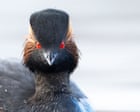
Woolston Eyes, a former dumping ground for dredged material from the Manchester Ship Canal, has become the United Kingdom’s most important breeding site for the rare black‑necked grebe, supporting 64 % of the nation’s nesting pairs. The wetland, located in Warrington, Cheshire, was restored in 2021 and now features a mosaic of freshwater pools, reedbeds, willow scrub and rough grassland managed by the Royal Society for the Protection of Birds (RSPB) and the Woolston Eyes Conservation Group.
Since the restoration began, the number of grebe pairs at Woolston Eyes has risen dramatically. In 2023 four pairs successfully raised 15 chicks, and by 2025 the site hosted 35 pairs, 29 of which nested in the newly created wetlands. This figure represents almost two‑thirds of the average breeding pairs recorded across the UK, making Woolston Eyes the country’s leading habitat for the species. The grebe, a glossy black and chestnut‑coloured bird with distinctive ruby‑red eyes and golden tufts behind them, now breeds in an environment that also attracts black‑headed gulls, which nest nearby and provide protection from predators.
The restoration effort involved reviving overgrown lagoon areas, creating nesting islands, and managing water levels through rainfall and controlled water movement. The wetland’s rotation system—allowing ponds to dry, be refreshed, and reflooded—helps maintain habitat conditions that grebes prefer, as they abandon wetlands that become too mature. The site also supports other uncommon species, including willow tit, pochard and grasshopper warbler, and is designated a Site of Special Scientific Interest.
“We are delighted to see black‑necked grebe numbers increasing at Woolston Eyes thanks to the hard work of staff, volunteers and partners to create prime habitat for this rare and attractive species,” said Gavin Thomas, an RSPB ecologist. “The rapid growth in numbers shows how effective targeted conservation action can be and is a great example of nature thriving when it is given a chance.” Thomas added that the grebe’s success is a microcosm of broader wetland benefits: “Black‑necked grebes are just a handful of the millions of breeding, wintering and migratory birds that rely on the UK’s internationally important wetlands. Seeing the number of black‑necked grebes continuing to increase at Woolston Eyes makes all the hard work worthwhile. It demonstrates that restoring and managing wetlands is vital for species recovery, but we absolutely need to scale this up and deliver far more sites like Woolston throughout the UK.”
The RSPB’s work at Woolston Eyes illustrates the impact of focused habitat restoration on a species that has faced declines due to loss of suitable wetlands. By providing a well‑managed, predator‑protected environment with abundant invertebrate food, the site has turned a former industrial dump into a thriving ecological refuge. The success of Woolston Eyes underscores the importance of wetland conservation across the country, offering a model for similar projects that could expand the range of protected habitats for rare birds and other wildlife.
Comments (0)
No comments yet — be the first to weigh in.

Iran-US Tensions Escalate Amid Hormuz Strait Crisis – Live Updates
Iranian President Pezeshkian seeks diplomatic solutions with global leaders at SCO summit in Kyrgyzstan amid rising US tensions over Hormuz Strait.

Search continues for 18 passengers after ferry capsized in northern Cyprus
Search and rescue operations are continuing off the coast of Kyrenia in northern Cyprus after a passenger ferry capsized and sank on Sunday, leaving at least ei...

Swiss Man Arrested After Deadly Rave Shooting Kills Italian Woman
A 43-year-old Swiss suspect has been arrested after a shooting at a techno rave in Aarau left one woman dead and several others injured. Authorities continue their investigation.

England attack's 2005 comparisons fair - Trescothick
England’s new pace attack is drawing comparisons to the legendary Ashes-winning quartet of 2005, according to interim head coach Marcus Trescothick. The current...

Mumbai’s Vile Parle Cypher is giving unheard rappers a voice

Enrich and Ultimo impress

Karnataka CM Signals Review of 5% Park Land Amendment Bill in Assembly

