Ninth Circuit Ruling Threatens Online Free Speech Protections Under Section 230
A Ninth Circuit ruling forces online platforms to defend costly lawsuits before dismissal under Section 230, threatening free speech protections for all users.
A federal appeals court ruling has raised concerns about the future of online free speech by making it more difficult for internet platforms to have meritless lawsuits dismissed early under Section 230 of the Communications Decency Act.
The Ninth U.S. Circuit Court of Appeals, in a case involving Meta Platforms Inc., ruled that a lower court’s denial of Section 230 immunity to the company is not immediately appealable. Legal experts warn this decision could have widespread repercussions, forcing online services—both large and small—to endure costly and time-consuming legal battles before having cases thrown out.
Section 230 generally protects online platforms from liability for user-generated content. Without this protection, platforms might preemptively remove speech to avoid legal threats, or simply stop hosting user content altogether. Experts argue this could stifle free expression across the internet.
The case stems from lawsuits filed by state attorneys general, school districts, and local governments alleging that Meta’s platform features contribute to social media addiction. Meta argued that Section 230(c)(1) shields it from liability because the claims effectively target its publishing decisions regarding third-party content. A lower court partially denied Meta’s motion to dismiss, leading the company to appeal.
The central legal question was whether the appeal was permissible under 28 U.S.C. § 1291, which generally limits appeals to final decisions. Meta invoked the "collateral order doctrine," which allows immediate appeals of orders that, while not final, resolve important legal issues. The Ninth Circuit panel, however, ruled that Section 230 immunity is not an "immunity from suit" but rather an "immunity from liability," meaning Meta must first endure litigation before appealing.
This interpretation contradicts previous Ninth Circuit rulings, including *Fair Housing Council of San Fernando Valley v. Roommates.com* (2008), which explicitly recognized Section 230 as an immunity from suit. Legal scholars argue that the panel’s decision disregards the statute’s intent to shield platforms from protracted legal battles.
The Electronic Frontier Foundation (EFF), which advocates for digital rights, criticized the ruling for undermining Section 230’s purpose. The law was designed to encourage online platforms of all sizes to host user speech without fear of constant litigation. Without immediate appeal rights, smaller platforms—unable to absorb legal costs—may remove or restrict content preemptively.
The EFF also noted that Section 230 applies broadly, from major social media companies to local ISPs and individual bloggers. If platforms cannot quickly resolve disputes over immunity, the burden of legal defense could deter innovation and restrict online discourse.
Legal analysts say the ruling creates uncertainty for internet intermediaries, potentially leading to more lawsuits and self-censorship. The case may ultimately require higher courts to clarify whether Section 230 functions as an immunity from suit or merely from liability.
For now, online platforms face greater legal risks, raising questions about the future of free speech and open discourse on the internet.
Comments (0)
No comments yet — be the first to weigh in.

Energy biz SSE smacked around in court by a guy and AI
An Oxford doctoral student has defeated British energy provider SSE Energy Supply in court after utilizing artificial intelligence models to build his legal def...

Berkeley Humanoid Lite: Affordable Open-Source Robot with DIY Actuators
Explore the Berkeley Humanoid Lite, a budget-friendly open-source robot featuring 3D-printed actuators under $5,000 USD. Learn how its modular design benefits DIY projects.

Woodstove Safety Monitor: Oru System Alerts Users to Temperature Fluctuations
Discover how the Oru woodstove assistant helps prevent dangerous chimney fires by monitoring exhaust gas temperatures and alerting users to temperature changes.
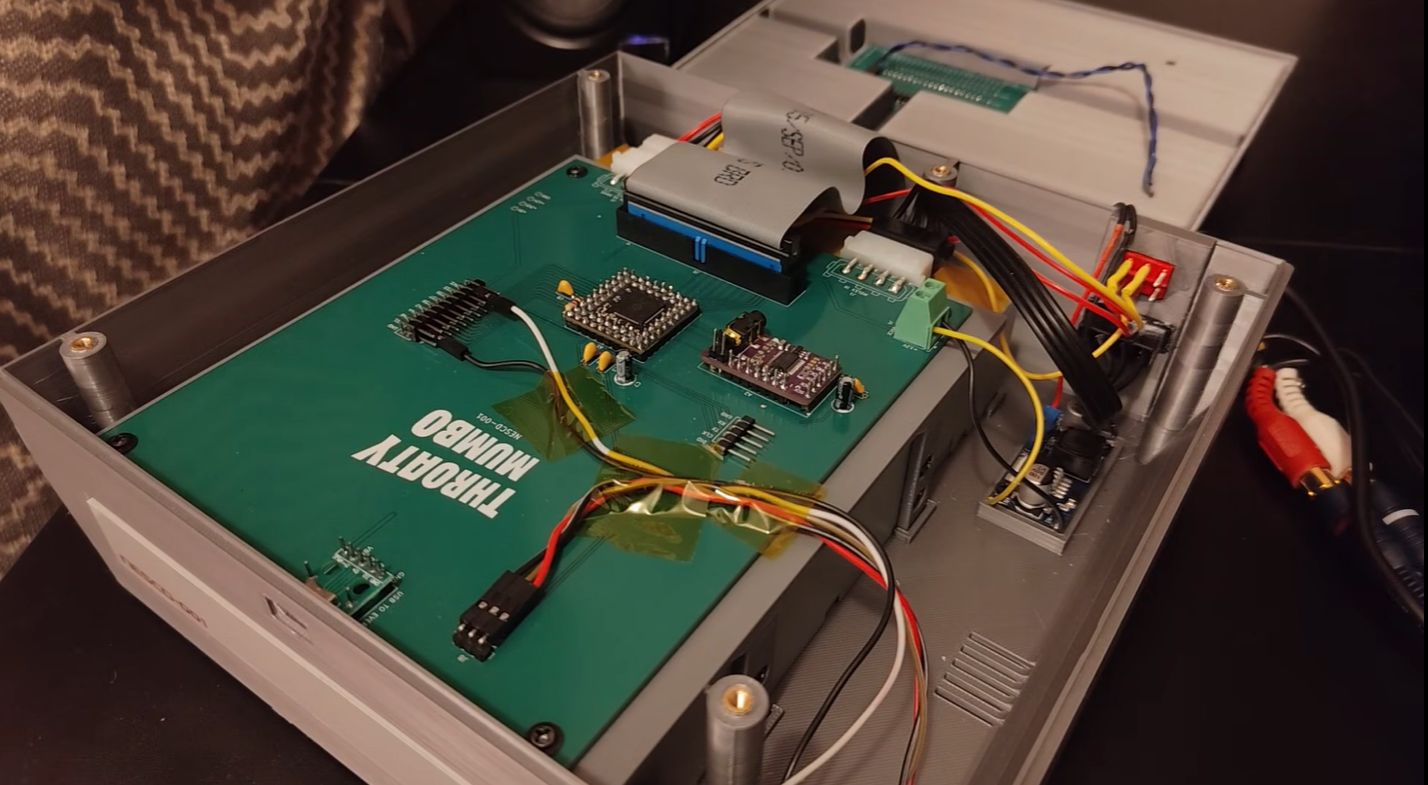
NES CD Add-On Revives 1980s Gaming with Optical Storage
Explore how a DIY project integrates a CD drive with the NES using an RP2350B microcontroller and Everdrive N8 Pro for expanded storage and audio playback.

Mumbai’s Vile Parle Cypher is giving unheard rappers a voice

Enrich and Ultimo impress

Karnataka CM Signals Review of 5% Park Land Amendment Bill in Assembly

