OpenAI announces the Admin plugin for ChatGPT Work and Codex
OpenAI has released a new Admin plugin for ChatGPT Work and Codex, a tool that lets workspace administrators perform routine management tasks directly within the chat interface. The plugin enables admins to update settings, monitor usage, manage users and permissions, and generate reports, all from a single conversation.
The announcement came during a product update on Tuesday, when OpenAI said the plugin is now available in the Plugins directory of ChatGPT Work. The feature is designed for teams that use ChatGPT Work, a version of the model tailored for business environments, and Codex, the code‑generation engine. According to the company, the Admin plugin will let administrators handle a range of tasks without leaving the chat window, including:
* Reviewing adoption and credit usage across ChatGPT Work and Codex, spotting areas that need additional enablement, and tracking when members or groups approach credit limits.
* Adding or removing users, updating group memberships, and carrying out routine onboarding and offboarding.
* Checking effective permissions, diagnosing access problems, and controlling feature or model access by role or group.
* Adjusting usage limits for individuals, groups, or entire workspaces, reviewing spending requests, and approving or denying them with contextual information.
During a live demo, Aarti Bagul, a member of OpenAI’s GTM staff, walked through a typical use case. She asked the chat to show how adoption and credit usage had changed across teams over the past 30 days, then requested charts that highlighted the biggest shifts. Bagul asked for additional breakdowns, clarified data points, and approved usage requests. Finally, the plugin generated a presentation deck and posted it to a Slack channel. The demo illustrated how the plugin could automate recurring administrative workflows, scale management operations, and support internal IT functions.
OpenAI said the plugin will help organizations streamline everyday admin duties and reduce the time spent switching between tools. By pulling data from the same source that feeds ChatGPT Work and Codex, the plugin can provide real‑time insights and automate report generation. The ability to adjust limits and approve spending requests from within chat could also improve compliance and governance for teams that need to keep tight control over AI usage.
The Admin plugin is part of a broader trend of adding specialized extensions to ChatGPT. OpenAI has previously launched plugins that let the model access external services such as booking flights or retrieving weather data. The new admin tool focuses on internal workspace management rather than external interactions, filling a gap for companies that already use ChatGPT Work or Codex as part of their workflow.
Administrators who want to try the plugin can download it from the Plugins directory in ChatGPT Work. The plugin requires that the workspace has the necessary permissions to manage users and settings. Once installed, the plugin appears as a new option in the chat interface, and admins can start issuing commands in natural language.
OpenAI’s release of the Admin plugin comes as more businesses adopt generative AI for productivity and development. By allowing managers to handle user and usage management without leaving the chat, the company hopes to make AI tools easier to govern and scale. The plugin is currently available for all users of ChatGPT Work and Codex, and no additional cost is mentioned in the announcement.
Comments (0)
No comments yet — be the first to weigh in.

Energy biz SSE smacked around in court by a guy and AI
An Oxford doctoral student has defeated British energy provider SSE Energy Supply in court after utilizing artificial intelligence models to build his legal def...
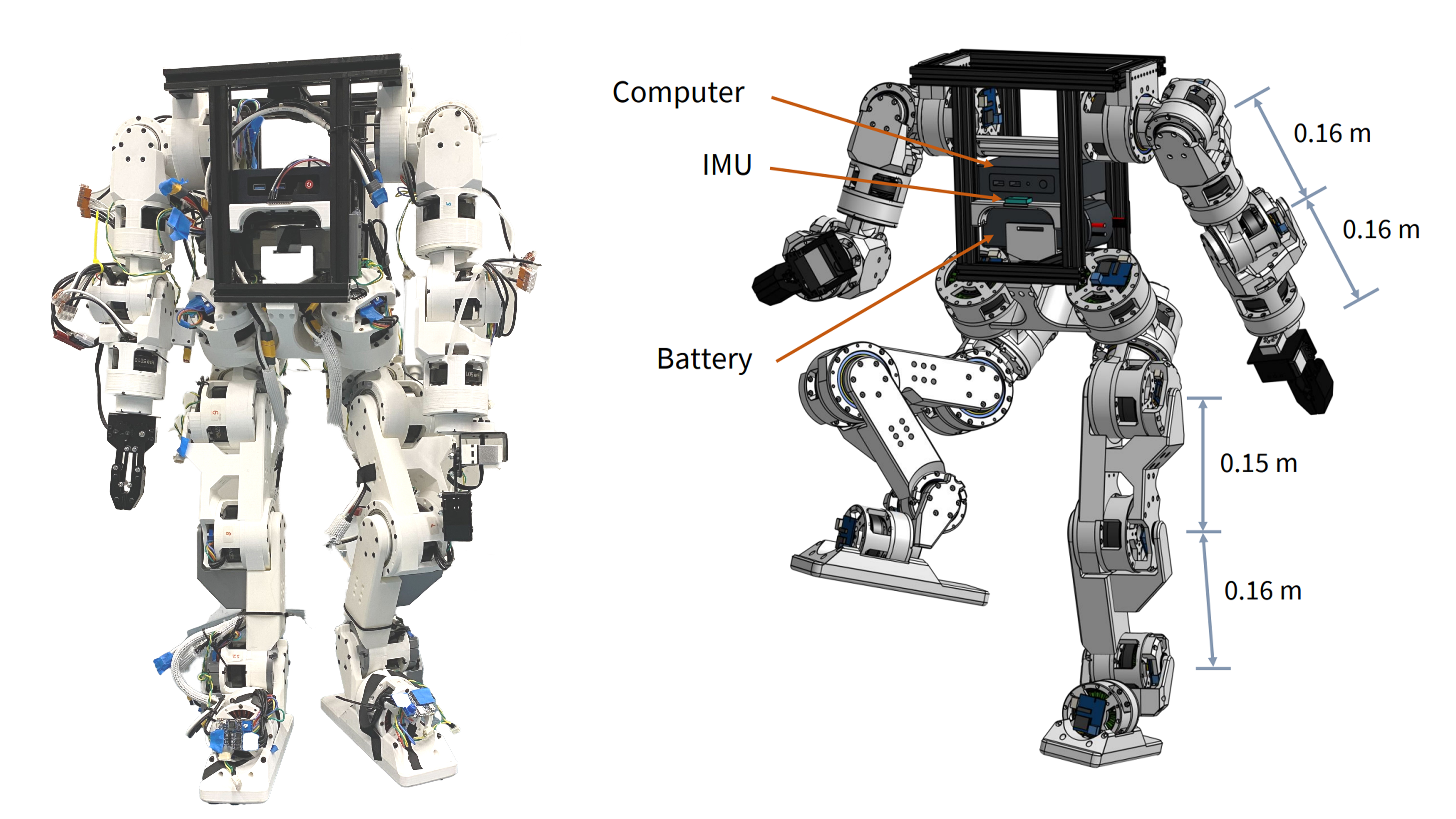
Berkeley Humanoid Lite: Affordable Open-Source Robot with DIY Actuators
Explore the Berkeley Humanoid Lite, a budget-friendly open-source robot featuring 3D-printed actuators under $5,000 USD. Learn how its modular design benefits DIY projects.

Woodstove Safety Monitor: Oru System Alerts Users to Temperature Fluctuations
Discover how the Oru woodstove assistant helps prevent dangerous chimney fires by monitoring exhaust gas temperatures and alerting users to temperature changes.
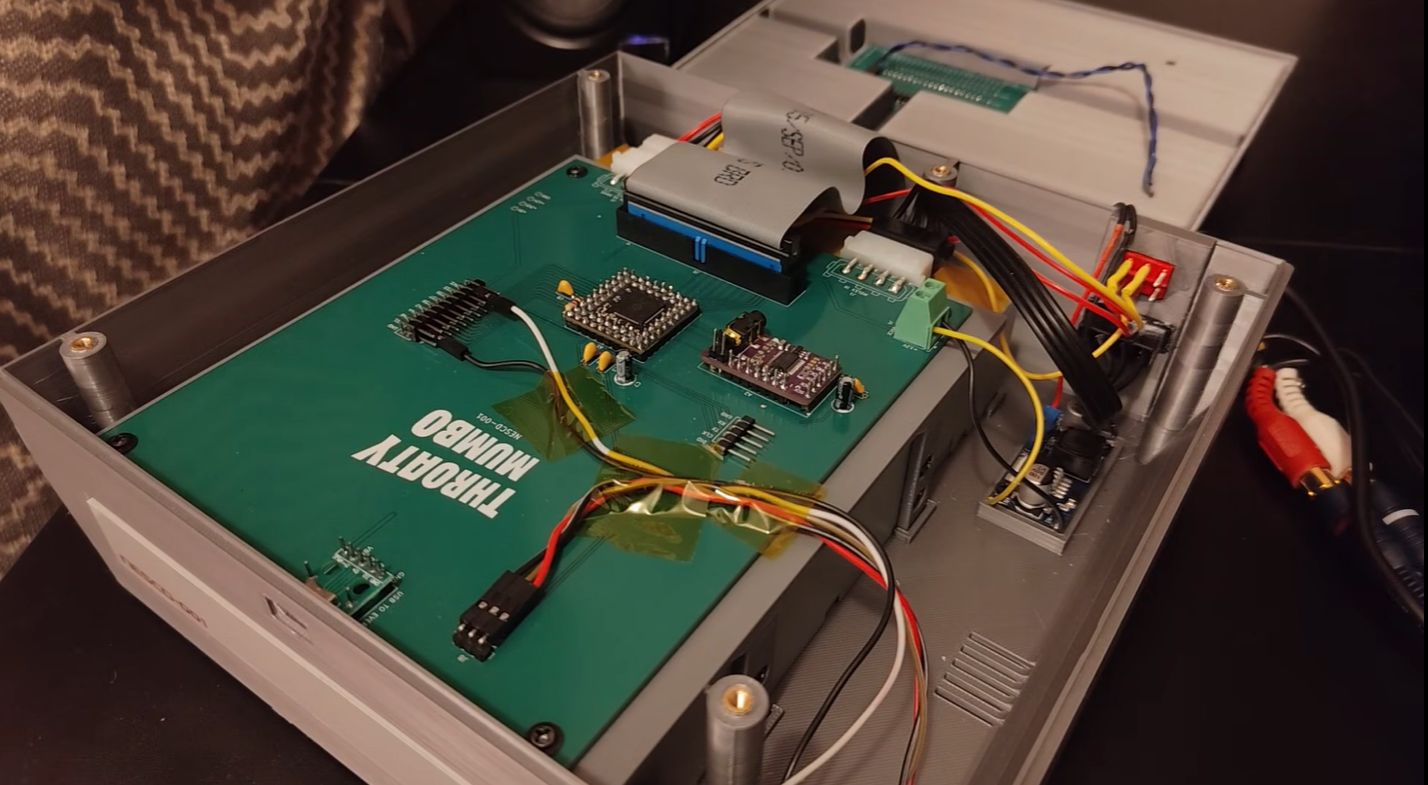
NES CD Add-On Revives 1980s Gaming with Optical Storage
Explore how a DIY project integrates a CD drive with the NES using an RP2350B microcontroller and Everdrive N8 Pro for expanded storage and audio playback.

Mumbai’s Vile Parle Cypher is giving unheard rappers a voice

Enrich and Ultimo impress

Karnataka CM Signals Review of 5% Park Land Amendment Bill in Assembly

