OpenAI Expands Free ChatGPT for Teachers to 55 School Systems in 20 States
OpenAI announces expansion of free ChatGPT for Teachers program, now reaching 100,000+ educators across 30 states with enhanced data privacy agreements.
OpenAI announced today that its free ChatGPT for Teachers program will expand to 55 additional school systems in 20 states, bringing the total number of participating districts to more than 100 K‑12 organizations across 30 states. The expansion is expected to provide free access and training to over 300,000 educators and staff, according to the company’s statement.
The program, which was first launched in 2025, is designed to give U.S. K‑12 teachers, administrators and faculty free, verified access to the ChatGPT platform. OpenAI said the service will remain free for verified U.S. K‑12 educators through June 2028. “With this new cohort, OpenAI is now working with more than 100 K‑12 organizations across 30 states to provide free access and training to over 300,000 educators and staff,” the company said.
In addition to the geographic expansion, OpenAI revealed a new data‑privacy framework that covers 16 states. The company described the agreement as a “first for the industry” that provides a common framework for school districts to evaluate ChatGPT for Teachers against their student‑data privacy requirements. The framework is intended to simplify and standardize responsible AI adoption across school systems, according to OpenAI.
OpenAI emphasized that the program is meant to support learning rather than replace it, and that educators should retain control over how AI tools are integrated into classroom instruction. “AI should support learning, not shortcut it, and educators should remain in control of how AI shapes classroom experiences,” the company added. The program remains limited to administrators, faculty and educators and does not extend to students.
The expansion follows a broader trend of educational technology companies offering free or discounted AI tools to teachers. In July, Anthropic launched its own free access program for the Claude language model for educators. The move by OpenAI and its competitors comes amid growing interest in using generative AI to assist lesson planning, grading and personalized learning.
OpenAI also released a new report on how AI is being used for continuous education, outlining best practices for integrating AI into professional development and curriculum design. The report was made available on the company’s website and is intended to guide educators and administrators in leveraging AI responsibly.
The program’s rollout will begin with the newly added 55 school systems, which include districts in states such as Texas, Florida, and Ohio. OpenAI said it will provide training resources and support to help educators get the most out of the platform. The company has not yet disclosed a detailed timeline for when each district will receive access, but it indicated that the expansion will be implemented in phases over the next several months.
While the announcement highlights a significant increase in coverage, it also raises questions about data privacy and the potential for unequal access to AI tools across districts that may not yet be part of the program. Critics have called for clear guidelines on how student data is handled by third‑party AI services and for continued oversight to ensure compliance with state and federal privacy laws.
OpenAI’s move to broaden the free ChatGPT for Teachers program reflects the growing demand for AI‑powered educational tools and the need for robust privacy safeguards. The company’s commitment to keeping the service free through June 2028 and its new data‑privacy framework may help to build trust among educators and school districts looking to adopt AI responsibly.
Comments (0)
No comments yet — be the first to weigh in.

Energy biz SSE smacked around in court by a guy and AI
An Oxford doctoral student has defeated British energy provider SSE Energy Supply in court after utilizing artificial intelligence models to build his legal def...
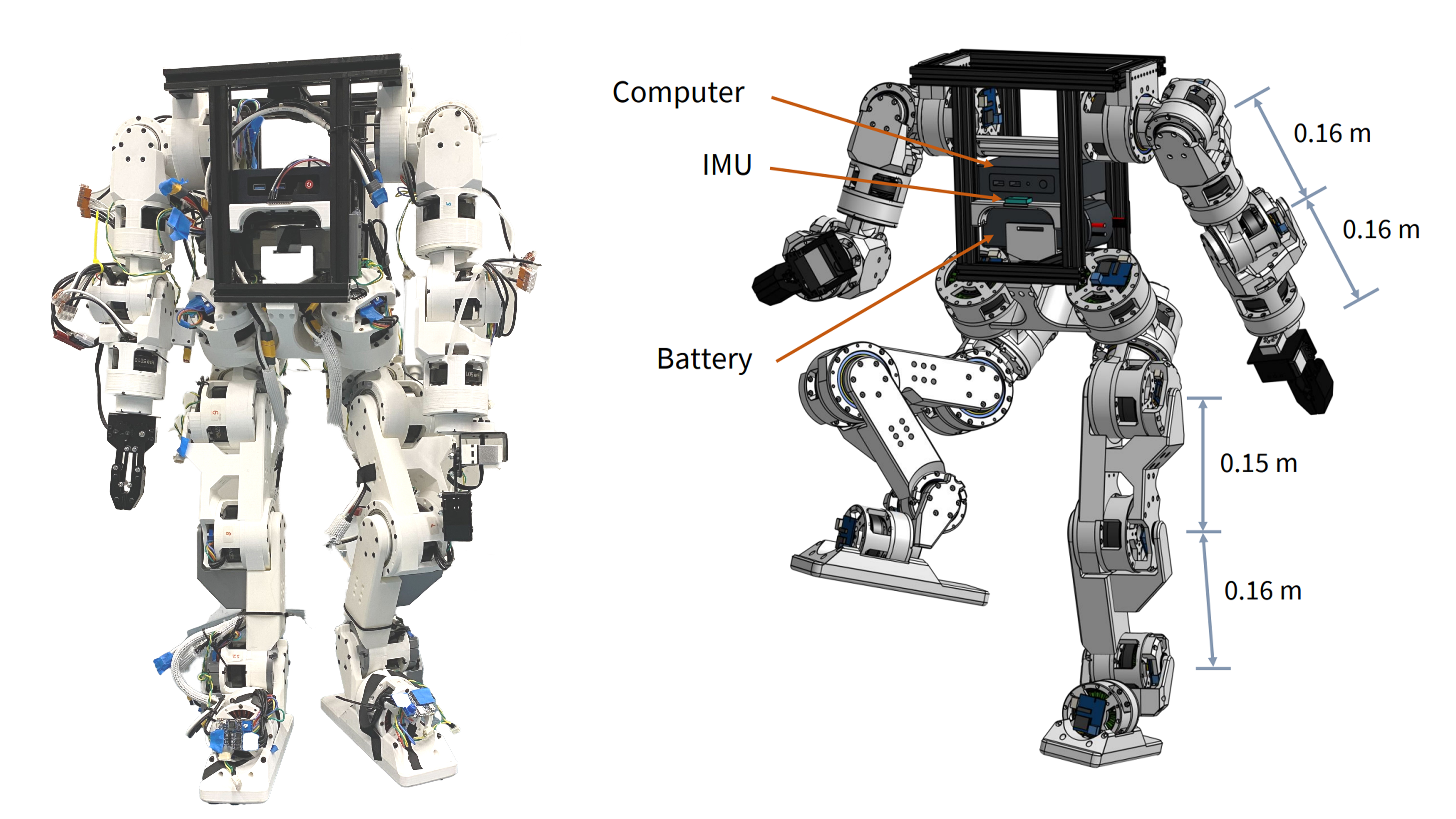
Berkeley Humanoid Lite: Affordable Open-Source Robot with DIY Actuators
Explore the Berkeley Humanoid Lite, a budget-friendly open-source robot featuring 3D-printed actuators under $5,000 USD. Learn how its modular design benefits DIY projects.

Woodstove Safety Monitor: Oru System Alerts Users to Temperature Fluctuations
Discover how the Oru woodstove assistant helps prevent dangerous chimney fires by monitoring exhaust gas temperatures and alerting users to temperature changes.
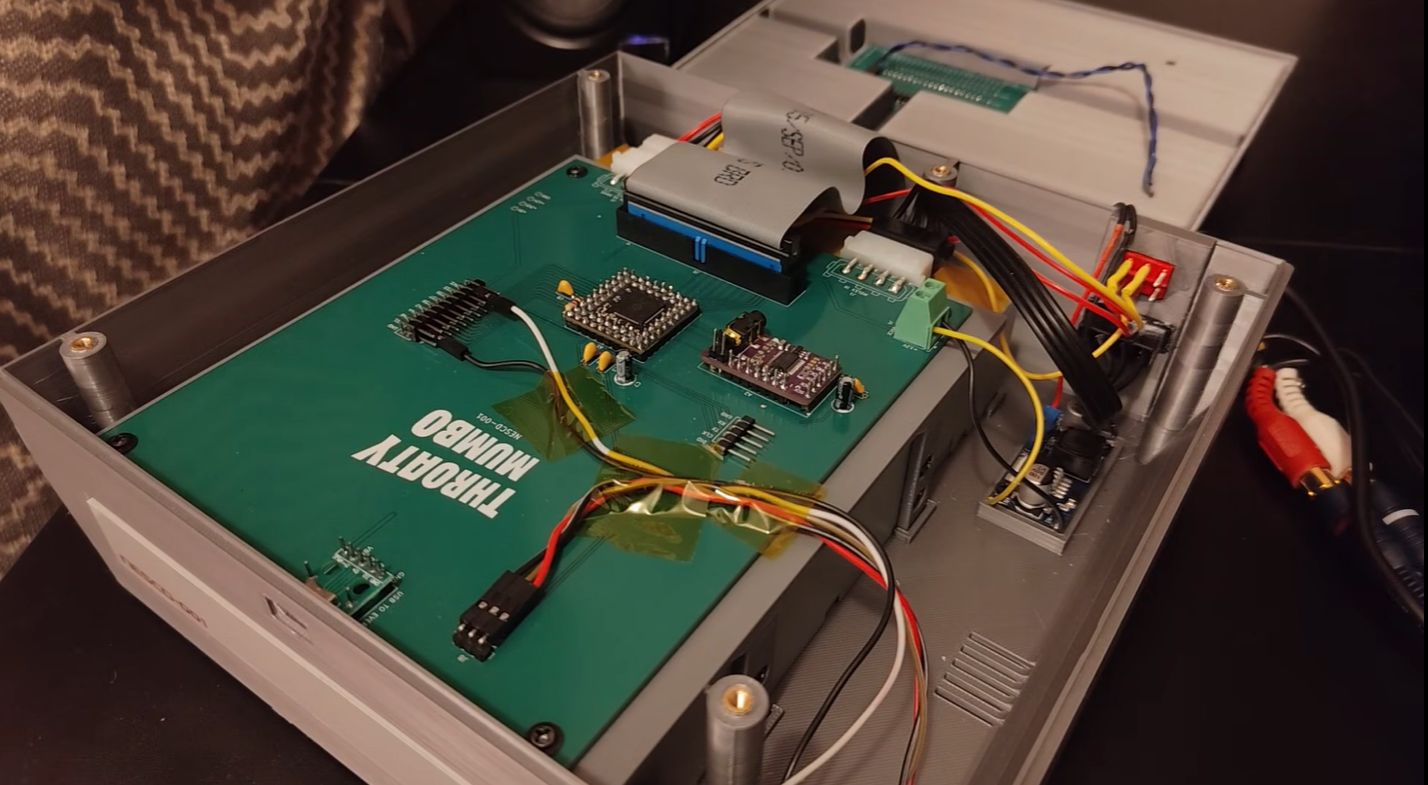
NES CD Add-On Revives 1980s Gaming with Optical Storage
Explore how a DIY project integrates a CD drive with the NES using an RP2350B microcontroller and Everdrive N8 Pro for expanded storage and audio playback.

Mumbai’s Vile Parle Cypher is giving unheard rappers a voice

Enrich and Ultimo impress

Karnataka CM Signals Review of 5% Park Land Amendment Bill in Assembly

