Overcoming Shopping Addiction: Personal Finance and Spending Habits
Explore Ella's journey to conquer her shopping addiction and gain insights into managing personal finances and controlling excessive spending habits.

A BBC Business feature has highlighted how many people spend too much on shopping and follows the story of Ella, a woman who claims to have overcome her compulsive buying habit. The piece, which appeared on the BBC website, urges listeners and readers to examine their own spending patterns and offers practical steps for those who feel they are in control of their finances.
The report opens by noting that compulsive buying is a recognised psychological problem that can lead to significant financial strain and emotional distress. While the BBC does not provide a precise figure for the number of people affected, it cites a 2023 Office for National Statistics survey that found 10 per cent of adults in the United Kingdom admit to buying more than they can afford on a regular basis. The survey also reported that 1 in 5 people who spend beyond their means experience feelings of guilt or anxiety.
The article explains that a number of factors can drive people to overspend. Sales promotions, the convenience of online shopping, and the use of credit cards all lower the perceived cost of a purchase. For some, buying becomes a coping mechanism for stress or a way to fill an emotional void. The BBC notes that the psychological link between shopping and emotional well‑being has been studied by several researchers in the fields of consumer behaviour and mental health.
Ella’s story is presented as a case study of how a person can break the cycle of compulsive buying. Ella, who is 32 and lives in Manchester, first noticed her spending had become out of control when she was unable to pay her credit‑card bill at the end of the month. She began keeping a detailed log of every purchase and found that the majority of her spending was on clothing and accessories that she rarely used. The BBC describes how she sought help from a financial counsellor and joined an online support group for people with compulsive buying disorder. Over the course of a year, Ella reports that she has reduced her spending by more than 60 per cent and has paid off a significant portion of her credit‑card debt.
The piece also includes commentary from a financial psychologist, who explains that the key to recovery is often a combination of budgeting, therapy and peer support. The psychologist recommends setting clear spending limits, using cash instead of cards for discretionary purchases and keeping a “no‑buy” list for items that trigger emotional spending. The BBC article stresses that professional help can be found through organisations such as the National Association of Personal Finance Counsellors and the Mental Health Foundation.
In addition to Ella’s personal experience, the BBC Business feature outlines a number of resources for those who suspect they may have a shopping addiction. These include free online workshops, helplines, and a list of local support groups across the UK. The article also highlights the role of employers in supporting employees who struggle with compulsive buying, suggesting that workplace financial education programmes can reduce the prevalence of overspending.
The BBC concludes the feature by encouraging readers to take a hard look at their own shopping habits. The report suggests that a simple audit of the last six months of spending can reveal patterns that might otherwise go unnoticed. By combining practical budgeting tools with professional support, the BBC argues that many people can regain control over their finances and improve their overall well‑being.
Comments (0)
No comments yet — be the first to weigh in.

Free School Uniform Swap Shop Saves Welsh Families £50m Annually
A Cardiff father's school uniform swap shop initiative has grown to 200 schools, helping Welsh families save £50m yearly while promoting sustainability and reducing clothing waste.

Poland, US Explore Permanent Military Bases: Defense Talks Underway
Poland and the US are discussing permanent American military bases in Poland, focusing on defense capabilities rather than troop numbers. Nuclear warheads are not part of the plans.
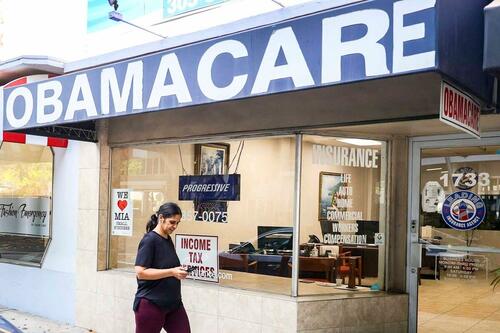
Taxpayers Lost $65B to Obamacare Fraud in 2024; Feds Crack Down
A Paragon Health Institute report reveals $65 billion in taxpayer losses due to Obamacare and Medicaid fraud in 2024, with improper enrollments rising in 2025.
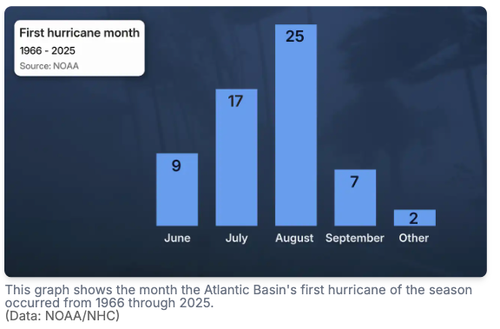
El Niño Delaying 2026 Atlantic Hurricane Season as Dolly Nears Florida
El Niño's wind shear suppresses 2026 Atlantic hurricane activity, delaying first hurricane as Tropical Storm Dolly's remnants approach Florida and the Caribbean.

Mumbai’s Vile Parle Cypher is giving unheard rappers a voice

Enrich and Ultimo impress

Karnataka CM Signals Review of 5% Park Land Amendment Bill in Assembly

