Pine64 Halts Linux Board Production Amid RAM and Storage Price Surge
Pine64 pauses Linux device production due to soaring RAM and eMMC costs driven by AI demand. Industry analysts warn of broader market impact.
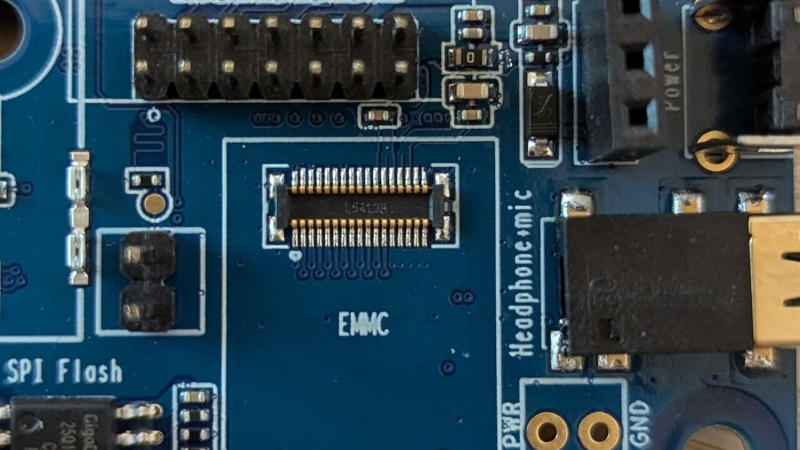
Pine64 Halts Production of Linux Boards Amid Soaring RAM and Storage Costs
Global supply chain disruptions and surging demand from artificial intelligence and other high-performance computing sectors have driven up the cost of RAM and embedded MultiMediaCard (eMMC) storage significantly. In response, Pine64, a prominent manufacturer of single-board computers and open-source hardware, has temporarily suspended production of its Linux-based devices, according to a report from *CNX Software*.
The company’s decision reflects broader market pressures, as rising component costs have made production less economically viable. While consumers have previously absorbed price increases for essential hardware, Pine64’s move indicates that the current cost structure may no longer support continued manufacturing. Industry observers suggest that reduced sales volumes, exacerbated by elevated prices, may have contributed to the company’s decision.
This development follows recent concerns over the affordability of popular single-board computers, including high-end Raspberry Pi models. The broader implications for the maker and developer community remain uncertain, particularly if other manufacturers adopt similar measures in response to ongoing supply constraints.
One potential alternative gaining traction is the increased use of microcontrollers (MCUs) for applications traditionally served by Linux-based single-board computers. Modern high-performance MCUs now offer sufficient processing power for many embedded applications, with the added benefit of integrated memory and storage—components unaffected by the current price volatility in RAM and eMMC markets. This shift could mitigate some of the challenges posed by rising hardware costs.
Pine64 has not announced a timeline for resuming Linux device production. However, the company continues to sell other product lines, which may help offset the temporary halt in Linux board manufacturing. The broader electronics and open-source hardware sectors will be closely monitoring how supply chain dynamics and pricing trends evolve in the coming months.
As of publication, Pine64 has not responded to requests for comment regarding potential price adjustments or production timelines. Industry analysts emphasize that the situation underscores the need for diversified supply chains and alternative hardware solutions in an increasingly constrained market.
Comments (0)
No comments yet — be the first to weigh in.

Energy biz SSE smacked around in court by a guy and AI
An Oxford doctoral student has defeated British energy provider SSE Energy Supply in court after utilizing artificial intelligence models to build his legal def...
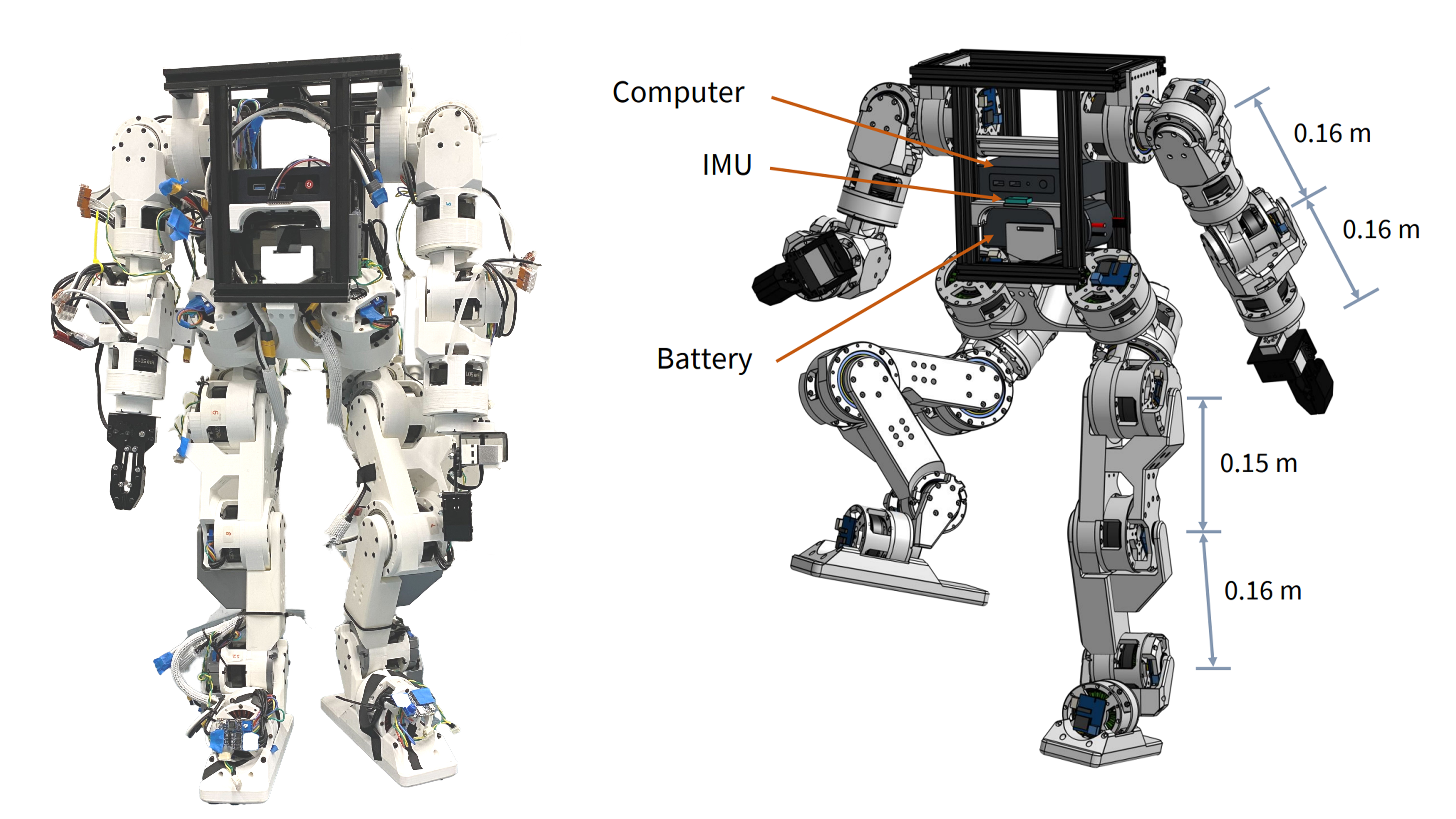
Berkeley Humanoid Lite: Affordable Open-Source Robot with DIY Actuators
Explore the Berkeley Humanoid Lite, a budget-friendly open-source robot featuring 3D-printed actuators under $5,000 USD. Learn how its modular design benefits DIY projects.

Woodstove Safety Monitor: Oru System Alerts Users to Temperature Fluctuations
Discover how the Oru woodstove assistant helps prevent dangerous chimney fires by monitoring exhaust gas temperatures and alerting users to temperature changes.
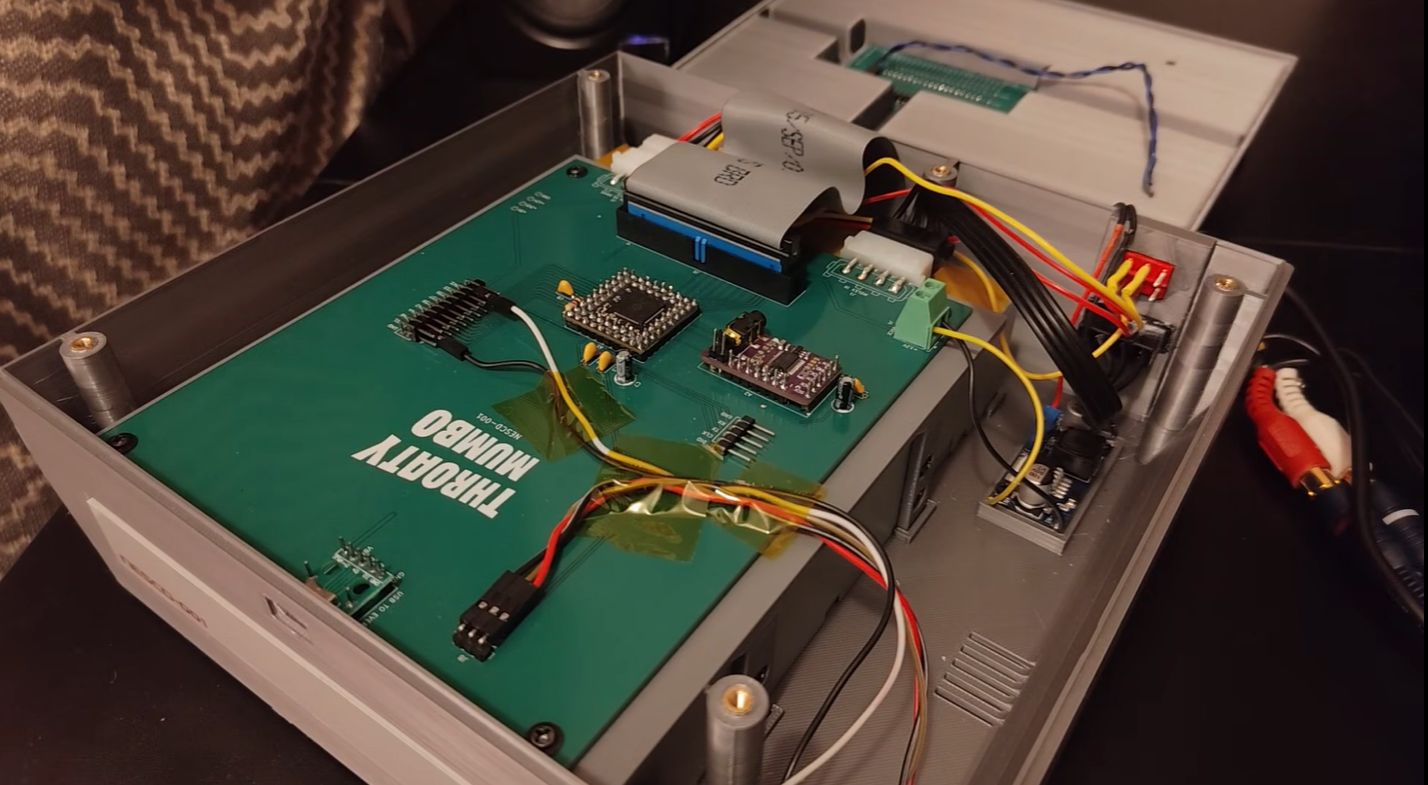
NES CD Add-On Revives 1980s Gaming with Optical Storage
Explore how a DIY project integrates a CD drive with the NES using an RP2350B microcontroller and Everdrive N8 Pro for expanded storage and audio playback.

Mumbai’s Vile Parle Cypher is giving unheard rappers a voice

Enrich and Ultimo impress

Karnataka CM Signals Review of 5% Park Land Amendment Bill in Assembly

