Reducing drug penalties likely increased homelessness in California, new report says
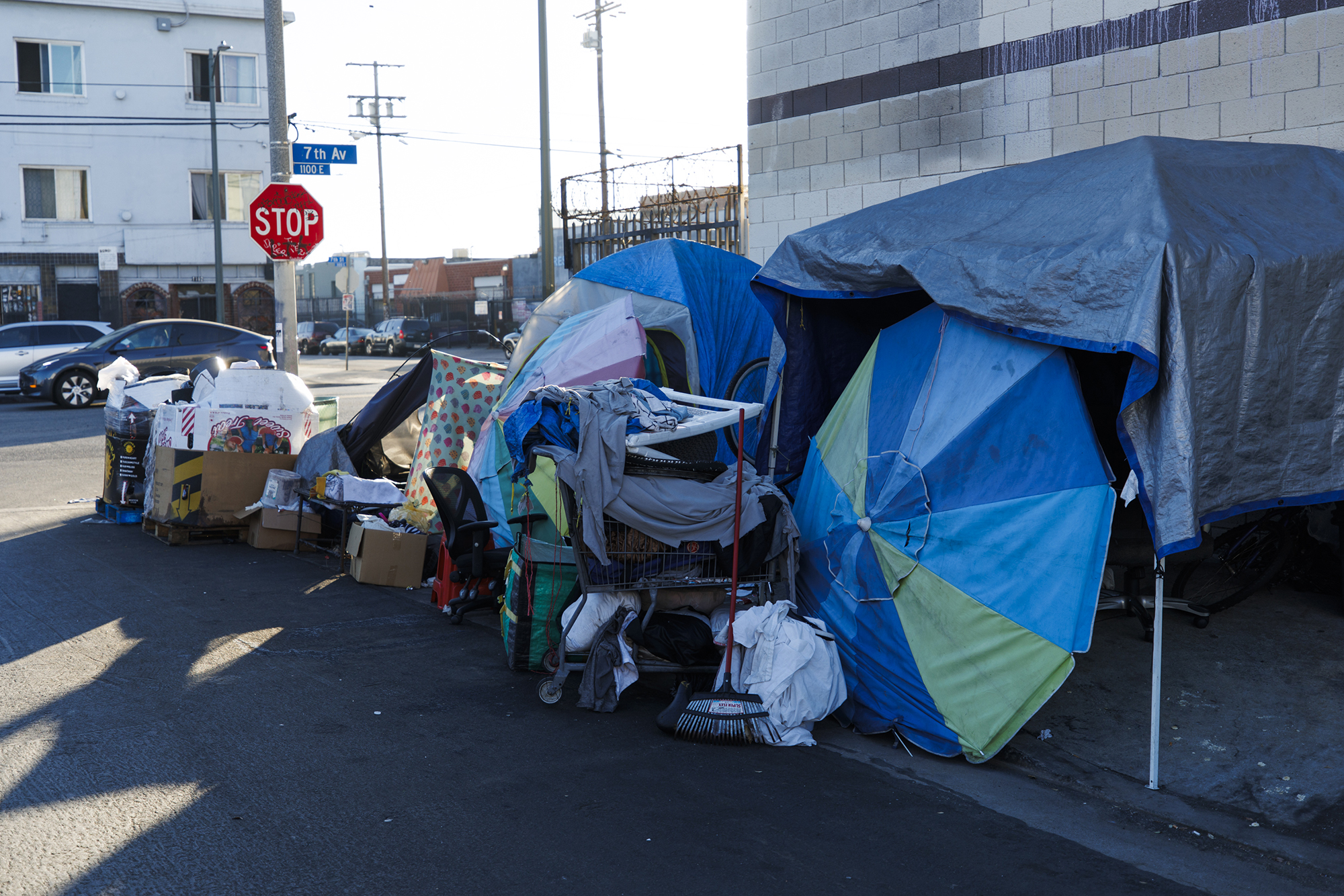
A new report from the Public Policy Institute of California suggests that Proposition 47, a 2014 ballot measure that reduced penalties for certain drug and property crimes, may have contributed to an increase in homelessness in the state. The study, released Thursday, found that between 2015 and 2019, the measure likely led to a 10 percent rise in street homelessness, a 7 to 8 percent increase in drug use (as measured by overdose deaths and hospitalizations), and a 20 percent drop in the number of Californians receiving drug treatment.
Proposition 47, which voters approved in 2014, reclassified some felony drug and property crimes as misdemeanors. The measure was intended to reduce prison overcrowding but had unintended consequences. The PPIC researchers compared California to other states with similar homelessness trends before Proposition 47 and analyzed how the state diverged after its implementation. They found that counties with larger decreases in drug arrests and significant drops in jail and prison populations were more likely to experience larger increases in homelessness and overdoses.
The report comes at a time of growing disillusionment with California’s efforts to reduce incarceration. In 2024, voters passed Proposition 36, which partially reversed the 2014 reform by increasing penalties for certain drug and theft crimes. However, the measure did not include funding for treatment or housing.
Magnus Lofstrom, the PPIC report’s lead author, acknowledged the complexity of the issue. "Ever since Prop. 47 was passed in 2014, there’s been a lot of critics of that particular reform," he said. "It’s important to have a sense of what are those potential impacts."
The findings have fueled an ongoing debate over the causes and solutions to homelessness. Some argue that addiction is a primary driver and advocate for tougher measures against drug use and encampments. Others, however, point to the state’s high cost of living and call for increased housing construction.
Critics of the study, such as Ron Hochbaum, a law professor at the University of the Pacific, question the direct link between Proposition 47 and homelessness. He suggested that other factors might have contributed to the rise in homelessness during the same period.
The PPIC researchers estimated that Proposition 47 resulted in an additional 7,000 Californians experiencing unsheltered homelessness between 2015 and 2019. However, it remains unclear how much of this increase is tied to increased drug use and how much is because people who would have been sleeping in jail before Proposition 47 are now sleeping on the streets.
The study also noted that other factors played significant roles in homelessness. For instance, declines in Social Security benefits correlated with local increases in homelessness. Additionally, while prison populations decreased during the COVID-19 pandemic, this did not lead to an increase in homelessness or drug use, likely because of increased funding for homelessness programs during that time.
Despite the findings, the PPIC researchers stopped short of blaming the entire homelessness crisis on prison reform. They acknowledged potential limitations in their calculations, such as changes in homeless point-in-time counts and rising rent prices. Nevertheless, the report adds to the ongoing discussion about the impacts of criminal justice reforms and the complex factors contributing to homelessness in California.
Comments (0)
No comments yet — be the first to weigh in.

Middlesbrough's Crime Crisis: Decades of Failed Policies Unleash Chaos
Former Middlesbrough mayor Andy Preston blames decades of lenient crime policies for the town's recent surge in gang violence and lawlessness.

Google Maps Renames Lake Ontario to 'Lake America' Following Trump Order
Google Maps now displays 'Lake America' in the US, replacing 'Lake Ontario' after Trump's executive order amid trade tensions with Canada. Canadians still see the original name.

Pentagon Warns Pentagon Chiefs: Iran War Unsustainable, Threatens U.S. Readiness
Classified assessment reveals Pentagon chiefs warn Defense Secretary Pete Hegseth that the Iran war is unsustainable and drains U.S. military resources and readiness.

Mike Rogers Proposes $50 Copays for Routine Health Screenings, Critics Warn of Risks
Former Congressman Mike Rogers suggests $50 copays for routine screenings, sparking debate over healthcare costs and access. Critics highlight potential risks.

Mumbai’s Vile Parle Cypher is giving unheard rappers a voice

Enrich and Ultimo impress

Karnataka CM Signals Review of 5% Park Land Amendment Bill in Assembly

