Reform Momentum Grows as Letter Carriers Union Confronts Leadership Discontent
The 2024 Letter Carriers Convention saw rising reform efforts amid dissatisfaction over contract imposition, with delegates pushing for transparency, democracy, and cost-of-living wage adjustments.
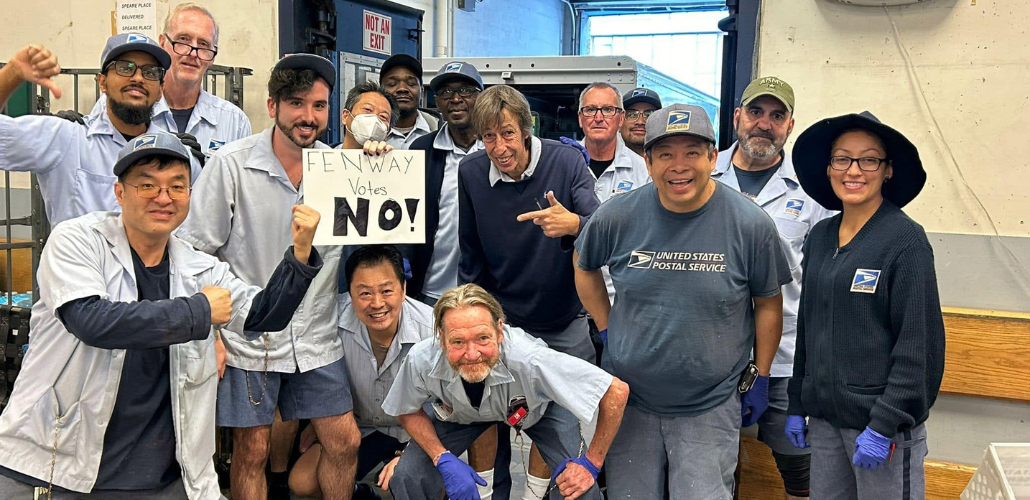
The National Association of Letter Carriers (NALC) held its biennial convention in Los Angeles from August 3-7, where delegates approved modest reforms and set the stage for a competitive presidential election this fall. The gathering reflected growing discontent among members over contract negotiations and union governance, fueling a push for greater transparency and democracy within the organization.
President Brian Renfroe, who faced criticism over his handling of contract negotiations and a months-long leave for alcoholism treatment, announced he would not seek re-election. His departure follows member outrage over a tentative agreement that was imposed despite being rejected by voters. The union’s executive council rushed the economic portions of the contract into arbitration, citing political pressures, and imposed a nearly identical deal.
Delegates elected a new president from a field of four candidates, including Nicole Rhine, the current secretary-treasurer, who is seen as the establishment favorite. Two reform-oriented slates—one led by Vice President James Henry and another featuring business agent Mike Caref—are challenging the status quo, emphasizing issues such as ending the two-tier wage system and addressing a backlog of grievances. A fourth candidate, Lew Drass, appears to have less support.
The convention featured a record number of constitutional amendments and resolutions, reflecting member frustration. Delegates approved a resolution calling for congressional action to implement locality pay for letter carriers in high-cost areas, similar to adjustments already granted to workers in Alaska, Hawaii, and Puerto Rico. The union’s longstanding opposition to local differentials has been a point of contention, with carriers in expensive cities like Seattle citing financial hardship.
While many reform proposals failed, some procedural changes were adopted, including livestreaming future conventions and requiring the president to maintain written bargaining records. The voting process, however, remained cumbersome, with delegates criticizing the time-consuming tallying of votes.
The election for NALC’s top offices will take place via mail-in ballots, with results expected by October 19. Analysts suggest the race could be decided without a majority, highlighting the fractured nature of the reform movement. A debate among three of the four candidates is scheduled for August 23 on the Next Generation Carriers podcast, providing voters with an opportunity to compare platforms.
The convention underscored a generational shift within the union, with younger members advocating for greater participation and accountability. While the reforms passed were incremental, delegates expressed optimism about the direction of the NALC, marking a departure from past conventions dominated by entrenched leadership.
The union’s next contract negotiations, set to resume following the expiration of the current agreement in May, will be closely watched as members push for fairer wages and working conditions.
Comments (0)
No comments yet — be the first to weigh in.

Middlesbrough's Crime Crisis: Decades of Failed Policies Unleash Chaos
Former Middlesbrough mayor Andy Preston blames decades of lenient crime policies for the town's recent surge in gang violence and lawlessness.

Google Maps Renames Lake Ontario to 'Lake America' Following Trump Order
Google Maps now displays 'Lake America' in the US, replacing 'Lake Ontario' after Trump's executive order amid trade tensions with Canada. Canadians still see the original name.

Pentagon Warns Pentagon Chiefs: Iran War Unsustainable, Threatens U.S. Readiness
Classified assessment reveals Pentagon chiefs warn Defense Secretary Pete Hegseth that the Iran war is unsustainable and drains U.S. military resources and readiness.

Mike Rogers Proposes $50 Copays for Routine Health Screenings, Critics Warn of Risks
Former Congressman Mike Rogers suggests $50 copays for routine screenings, sparking debate over healthcare costs and access. Critics highlight potential risks.

Mumbai’s Vile Parle Cypher is giving unheard rappers a voice

Enrich and Ultimo impress

Karnataka CM Signals Review of 5% Park Land Amendment Bill in Assembly

