Saudi-Turkey-Pakistan Defense Pact Redefines Middle East Security
The Mecca Joint Defense Agreement signals a shift in Middle East security dynamics, with Pakistan, Saudi Arabia, and Turkey forming a new regional alliance.
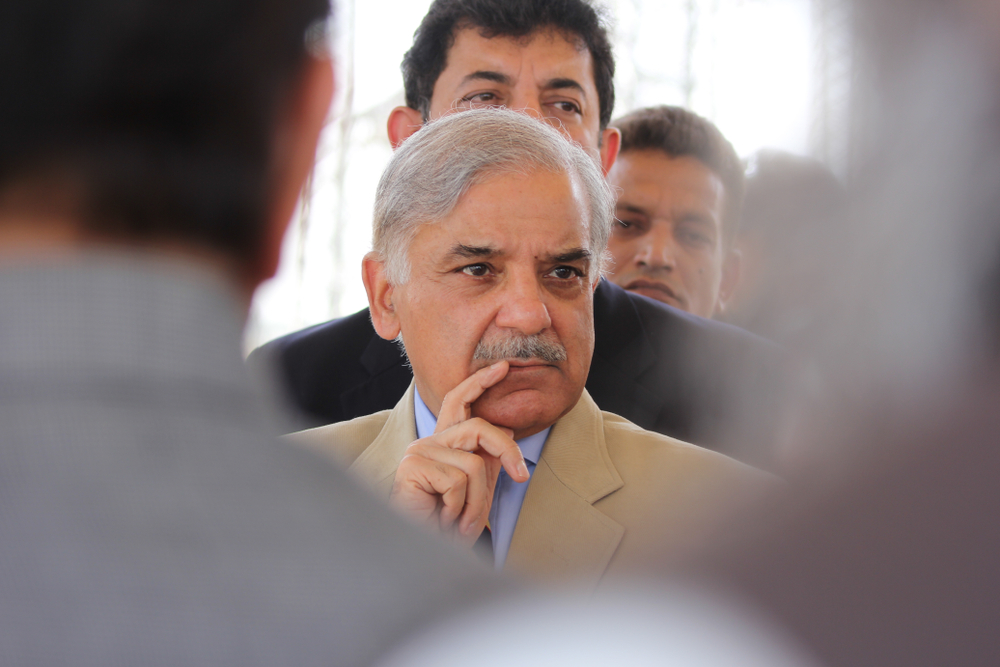
President Donald Trump praised the signing of the Mecca Joint Defense Agreement between Saudi Arabia, Turkey, and Pakistan in a post on Truth Social on August 17, describing it as a significant step toward regional security. "Very happy to see that Saudi Arabia, Turkey, and Pakistan have recently, and finally, signed the Mecca Joint Defence Agreement," Trump wrote. "It shows how the Middle East is coming together, and how Countries will finally be able to defend themselves in a more meaningful way."
The agreement, signed on August 7 in Mecca by Crown Prince Mohammed bin Salman, Prime Minister Shehbaz Sharif, and President Recep Tayyip Erdogan, establishes a mutual defense framework in which an attack on one signatory would be considered an attack on all. Pakistani Foreign Minister Ishaq Dar confirmed that the pact remains open to other regional countries willing to adhere to its principles.
For Islamabad, Trump’s endorsement underscores Pakistan’s continued diplomatic relevance in Washington despite a perceived decline in U.S. influence across the Middle East. The accord reflects a broader regional shift toward self-reliance in security matters, moving beyond traditional reliance on American-led frameworks.
Prime Minister Sharif responded diplomatically, expressing appreciation for Trump’s remarks. "Together with the brotherly Kingdom of Saudi Arabia and the Republic of Turkiye, Pakistan will continue to play a constructive role in ensuring the defence of our own countries as well as the entire region," Sharif stated. "Durable peace is the most essential prerequisite for a bright and prosperous future for our peoples."
Analysts note that while Pakistan’s cooperation with Saudi Arabia and Turkey is longstanding, recent regional instability—including the U.S.-Iran tensions, Israeli military actions, and perceived U.S. disengagement—has accelerated the need for such agreements. The pact is intended to enhance regional stability without targeting any specific state, particularly Iran.
Each signatory contributes distinct strengths: Saudi Arabia provides financial resources and political influence; Turkey brings a large military and a developed defense industry; and Pakistan contributes a battle-tested army and nuclear capability. The agreement is designed to deter armed attacks, particularly from Iranian-backed proxies such as the Houthi movement in Yemen and Iraqi militias.
Israel has expressed concern over the pact. Diaspora Affairs Minister Amichai Chikli called it "a very dangerous and very troubling development," aligning with Israel’s broader campaign to frame Turkey as a regional adversary. Israeli strikes in Syria near the Turkish border in August further strained relations, drawing criticism from U.S. Ambassador to Turkey Tom Barrack, who described the action as escalatory and destabilizing.
Israel has also pursued its own regional security vision, the “Axis of Nations,” announced by Prime Minister Benjamin Netanyahu in February 2026. This proposed alliance includes India, Arab states, African nations, Greece, and Cyprus, positioning Israel against what it describes as “the radical Shiite axis” and “the emerging radical Sunni axis.”
Islamabad has accused New Delhi of supporting separatist movements in Balochistan, a claim that aligns with broader tensions between India and Pakistan. The Middle East Media Research Institute, founded by former Israeli intelligence officer Yigal Carmon, has promoted the idea of an independent Balochistan, further stoking Pakistani concerns.
The Mecca Pact challenges India’s regional ambitions by deepening Saudi-Pakistan defense ties. Saudi Arabia is India’s fourth-largest trading partner and its largest supplier of crude oil, but stronger defense cooperation between Riyadh and Islamabad could limit New Delhi’s ability to align with Israeli-led initiatives.
Contrary to speculation, the agreement is not an anti-Iran coalition. Pakistan maintains close historical and diplomatic ties with Iran and has mediated between Washington and Tehran. Saudi Arabia and Turkey also maintain engagement with Iran, focusing primarily on deterring proxy threats rather than initiating direct conflict.
The pact’s reactive nature suggests it aims to prevent escalation rather than provoke it. If proxies demonstrate restraint, further military action is unlikely. Direct confrontation with Iran remains improbable under current conditions.
Trump’s endorsement, while supportive, does not dictate the accord’s direction. Sharif’s statement avoided any anti-Iran framing, consistent with Pakistan’s long-standing strategy of maintaining balanced regional relationships. The agreement, therefore, represents a pragmatic step toward collective security, shaped more by regional realities than external endorsements.
Comments (0)
No comments yet — be the first to weigh in.

Iran-US Tensions Escalate Amid Hormuz Strait Crisis – Live Updates
Iranian President Pezeshkian seeks diplomatic solutions with global leaders at SCO summit in Kyrgyzstan amid rising US tensions over Hormuz Strait.

Search continues for 18 passengers after ferry capsized in northern Cyprus
Search and rescue operations are continuing off the coast of Kyrenia in northern Cyprus after a passenger ferry capsized and sank on Sunday, leaving at least ei...

Swiss Man Arrested After Deadly Rave Shooting Kills Italian Woman
A 43-year-old Swiss suspect has been arrested after a shooting at a techno rave in Aarau left one woman dead and several others injured. Authorities continue their investigation.

England attack's 2005 comparisons fair - Trescothick
England’s new pace attack is drawing comparisons to the legendary Ashes-winning quartet of 2005, according to interim head coach Marcus Trescothick. The current...

Mumbai’s Vile Parle Cypher is giving unheard rappers a voice

Enrich and Ultimo impress

Karnataka CM Signals Review of 5% Park Land Amendment Bill in Assembly

