School districts face a back-to-school math problem: The high price of diesel
School Districts Grapple With Rising Diesel Costs as New School Year Begins
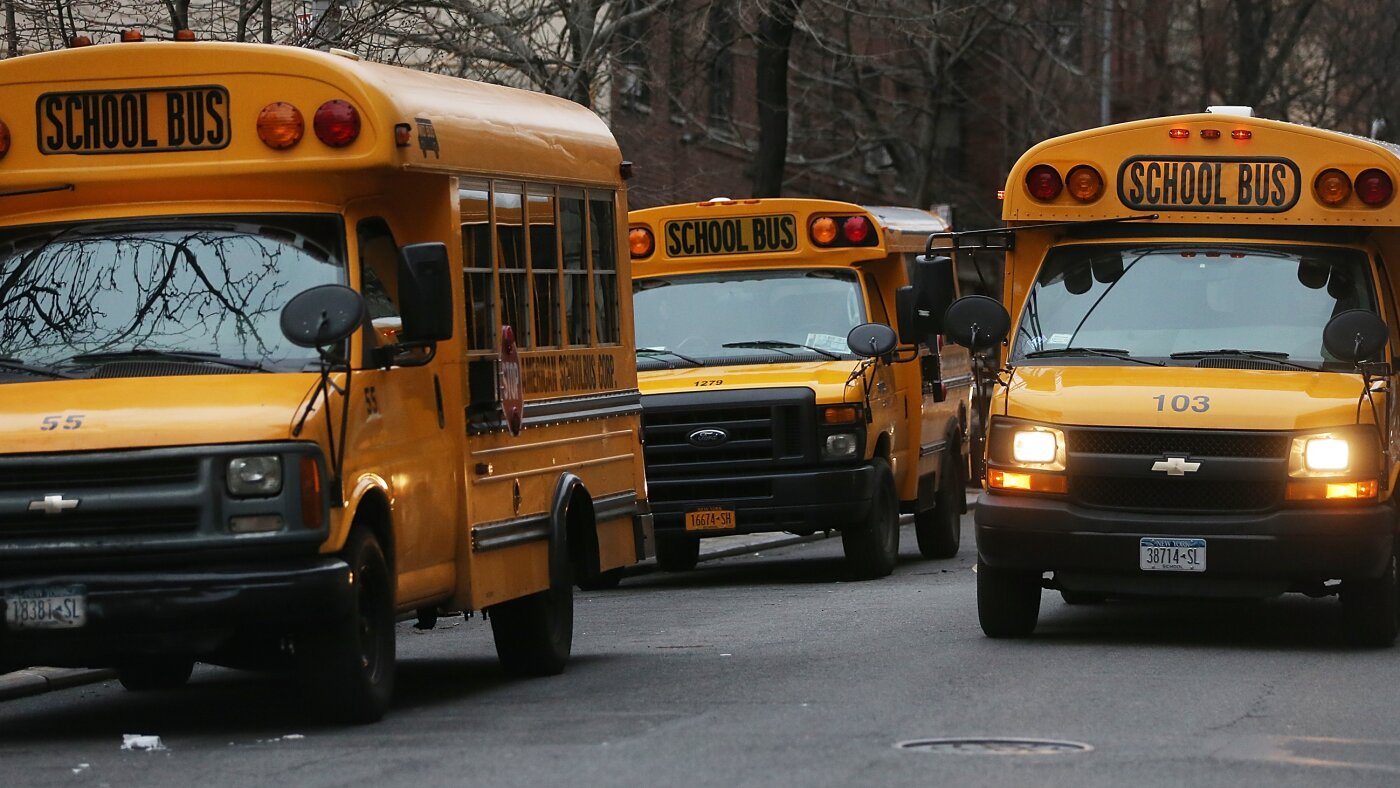
As students return to classrooms this fall, school districts across the United States are confronting a significant financial challenge: soaring diesel prices. The cost of diesel fuel has surged nearly $2 per gallon compared to last year, placing strain on transportation budgets that rely heavily on diesel-powered school buses.
According to AAA, the national average price for a gallon of diesel reached $5.62 this week, up from $3.70 at the same time last year. Approximately 90% of the nation’s 480,000 school buses run on diesel, making fuel expenses a critical concern for districts.
The issue has been building since spring, when geopolitical tensions and rising crude oil prices drove fuel costs higher. A May survey conducted by organizations representing school superintendents and bus companies found that over half of the surveyed districts reported diesel prices were already pushing their budgets beyond projections.
In Washington state, the Yakima School District estimated that diesel costs could increase by 38%—or $130,000—in the 2026-2027 school year. To mitigate the impact, the district consolidated bus routes, adjusted school start times, and reduced the number of trips. These changes are expected to save between $400,000 and $500,000, though they may also result in longer routes and more demanding schedules for drivers.
Yakima officials acknowledged their district is in a relatively favorable position compared to rural areas, where longer routes could significantly extend students’ time on buses. The May survey indicated that 40% of districts were consolidating routes, while 20% were limiting non-essential trips, such as field trips. Some districts are also exploring alternatives to diesel, including electric buses.
Elleka Yost, director of advocacy and research at the Association of School Business Officials International, noted that many districts are dipping into reserve funds to cover rising fuel costs. While this provides short-term relief, it may limit their ability to address future financial challenges.
In Boise, Idaho, the school district has taken steps to reduce transportation expenses by minimizing bus stops, as each additional stop increases mileage and fuel consumption. The district also introduced eight electric buses this week, funded by a federal Clean School Bus Program grant, as part of a long-term strategy to reduce fuel dependency. Despite these efforts, transportation costs have still risen by approximately $600,000 this year.
In Monterey, California, the school district has shifted most of its 50 buses from diesel to gasoline. However, high state and local taxes have made gasoline prices in Monterey higher than the national average. On Wednesday, the average price of gasoline in Monterey was $5.77 per gallon, compared to the national average of $4.10. District officials had anticipated the budget shortfall and requested additional funding to cover the gap.
Moving forward, districts are expected to continue scrutinizing budgets to offset fuel expenses, prioritizing transportation while attempting to shield classroom resources from cuts. The financial pressure from rising diesel costs remains a key concern as the school year progresses.
Comments (0)
No comments yet — be the first to weigh in.

Iran-US Tensions Escalate Amid Hormuz Strait Crisis – Live Updates
Iranian President Pezeshkian seeks diplomatic solutions with global leaders at SCO summit in Kyrgyzstan amid rising US tensions over Hormuz Strait.

Search continues for 18 passengers after ferry capsized in northern Cyprus
Search and rescue operations are continuing off the coast of Kyrenia in northern Cyprus after a passenger ferry capsized and sank on Sunday, leaving at least ei...

Swiss Man Arrested After Deadly Rave Shooting Kills Italian Woman
A 43-year-old Swiss suspect has been arrested after a shooting at a techno rave in Aarau left one woman dead and several others injured. Authorities continue their investigation.

England attack's 2005 comparisons fair - Trescothick
England’s new pace attack is drawing comparisons to the legendary Ashes-winning quartet of 2005, according to interim head coach Marcus Trescothick. The current...

Mumbai’s Vile Parle Cypher is giving unheard rappers a voice

Enrich and Ultimo impress

Karnataka CM Signals Review of 5% Park Land Amendment Bill in Assembly

