Senior Advisor to Fauci Pleads Guilty in Covid-Era Records Scandal
A senior advisor to Anthony Fauci pleaded guilty to concealing Covid-19 related communications, raising questions about government transparency and pandemic origins amid ongoing legal scrutiny.
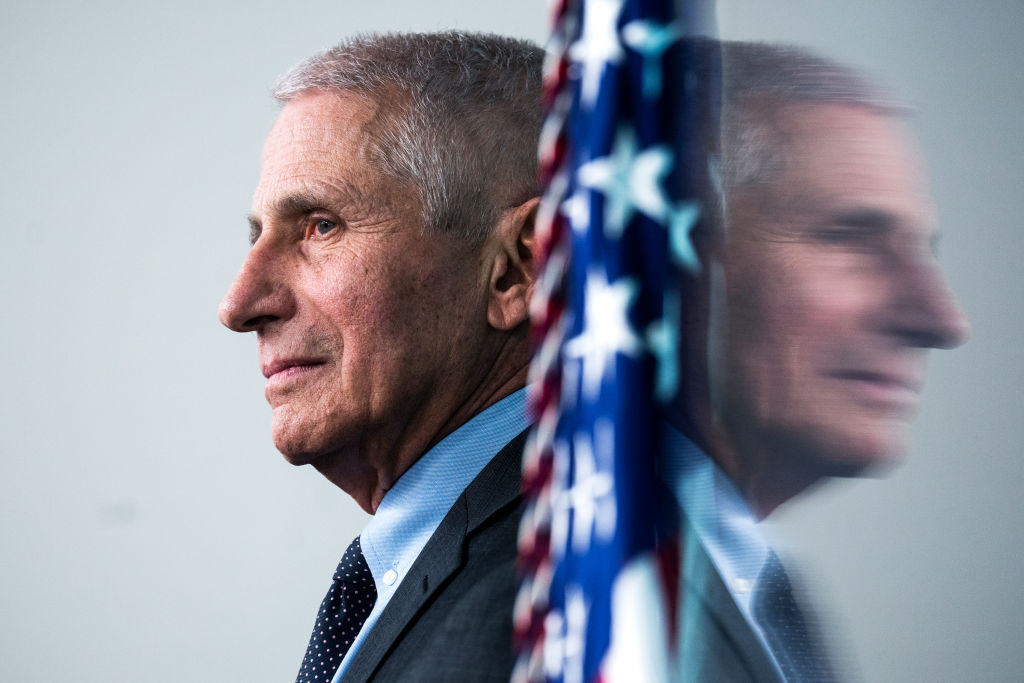
A senior advisor to Dr. Anthony Fauci, the former director of the National Institute of Allergy and Infectious Diseases (NIAID), pleaded guilty last week to charges related to a conspiracy to evade public records laws during the COVID-19 pandemic.
Dr. David Morens, who worked closely with Fauci at NIAID, admitted to conspiring with two other individuals to conceal communications from public view. According to the U.S. Department of Justice, Morens and his co-conspirators used personal email accounts to avoid transparency requirements under the Federal Records Act and the Freedom of Information Act (FOIA). The charges stem from efforts to hide details related to a NIAID-funded grant that supported research on bat coronaviruses at the Wuhan Institute of Virology (WIV) in China.
The revelation comes amid ongoing scrutiny over the origins of COVID-19 and the U.S. government’s role in funding research that some experts believe may have contributed to the pandemic. A 2021 House subcommittee report suggested that U.S. taxpayer money, funneled through the EcoHealth Alliance—a nonprofit headed by British zoologist Peter Daszak—may have supported risky "gain-of-function" research at the WIV. This type of research involves modifying viruses to study their potential to infect humans, a practice that has drawn ethical and safety concerns.
While Morens’ guilty plea represents a rare instance of accountability within the public health establishment, Fauci himself remains shielded from criminal liability. President Joe Biden granted Fauci a preemptive pardon, though civil lawsuits and other legal challenges could still proceed. The case against Morens, however, highlights broader questions about transparency, government oversight, and the intersection of scientific research with national security interests.
House investigators have released numerous emails showing that Morens, Daszak, and others discussed ways to avoid FOIA requests and keep communications hidden from public scrutiny. In one exchange, Morens assured colleagues that Fauci could be reached through private channels to prevent records from being subject to disclosure. In another, Daszak suggested sharing information with Fauci via Zoom screen-sharing to evade FOIA requirements.
The emails also raise concerns about the close relationship between U.S. government-funded research and Chinese institutions, particularly the WIV. Dr. Andrew G. Huff, a former EcoHealth Alliance vice president turned whistleblower, has claimed that the nonprofit was involved in a USAID program called PREDICT, which monitored zoonotic pathogens, alongside a separate $8 million NIAID grant to study bat coronaviruses in Wuhan.
Critics argue that this research, while intended to prevent pandemics, may have inadvertently contributed to the outbreak. The WIV, despite operating Biosafety Level 4 (BSL-4) labs, was also cited for safety lapses and inconsistent biosecurity protocols. Some intelligence agencies, including the CIA, have reportedly assessed that COVID-19 likely originated from a lab leak at the WIV, though definitive evidence remains elusive.
The case against Morens underscores broader concerns about government transparency and the ethical implications of risky scientific experiments. As investigations into the pandemic’s origins continue, lawmakers and watchdog groups are pressing for greater accountability over how taxpayer-funded research is conducted—and whether such work may have contributed to a global catastrophe.
Comments (0)
No comments yet — be the first to weigh in.

Middlesbrough's Crime Crisis: Decades of Failed Policies Unleash Chaos
Former Middlesbrough mayor Andy Preston blames decades of lenient crime policies for the town's recent surge in gang violence and lawlessness.

Google Maps Renames Lake Ontario to 'Lake America' Following Trump Order
Google Maps now displays 'Lake America' in the US, replacing 'Lake Ontario' after Trump's executive order amid trade tensions with Canada. Canadians still see the original name.

Pentagon Warns Pentagon Chiefs: Iran War Unsustainable, Threatens U.S. Readiness
Classified assessment reveals Pentagon chiefs warn Defense Secretary Pete Hegseth that the Iran war is unsustainable and drains U.S. military resources and readiness.
Mike Rogers Proposes $50 Copays for Routine Health Screenings, Critics Warn of Risks
Former Congressman Mike Rogers suggests $50 copays for routine screenings, sparking debate over healthcare costs and access. Critics highlight potential risks.

Mumbai’s Vile Parle Cypher is giving unheard rappers a voice

Enrich and Ultimo impress

Karnataka CM Signals Review of 5% Park Land Amendment Bill in Assembly

